Dinner · Part 1 of 3: Ingredients
Slow Cooker Molasses Mustard Country-Style Ribs
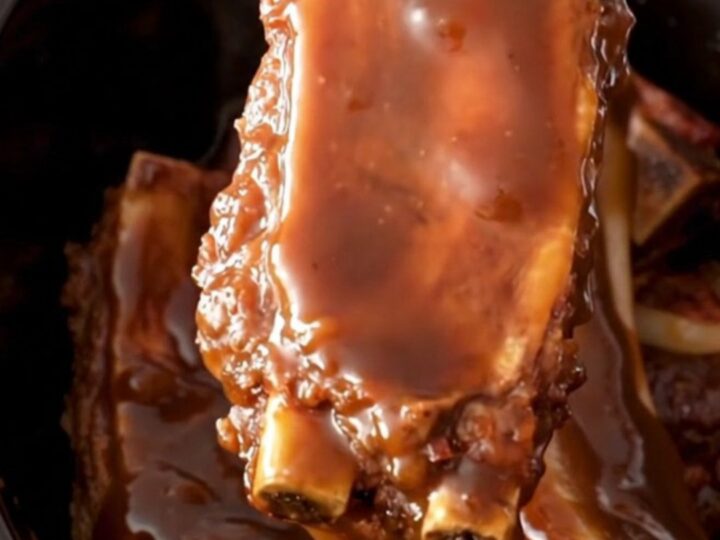
- Prep
- Cook
- Total
- Serves
- 4
Transform humble pork cuts into a restaurant-quality meal with the magic of slow cooking. This molasses mustard rib recipe delivers deep, complex flavors with minimal effort, making it the perfect choice for busy home cooks who crave comfort food that tastes like it took hours of active preparation, even though the slow cooker does all the heavy lifting while the day unfolds.
This dish relies on the slow, gentle heat of the slow cooker to break down the connective tissues in the country-style ribs, resulting in meat that is incredibly tender and succulent. The combination of earthy molasses and sharp, pungent dry mustard creates a balanced glaze that caramelizes slightly during the long cooking process.
By layering the onions, spices, and sauce, every bite becomes infused with a savory-sweet profile that is both hearty and satisfying. This recipe is designed to be straightforward, requiring only a few minutes of assembly before you can walk away and let the flavors meld into something truly special for your next family dinner.
Ingredients
- 3 lb country-style pork ribs
- 1 large yellow onion, sliced into rings
- 1 tbsp dry mustard powder
- 1 cup molasses sauce
Why this recipe works
The slow cooker environment creates a self-basting effect, where the moisture from the onions and the molasses sauce circulates around the meat. This constant exposure to the cooking liquid ensures the pork remains juicy and tender throughout the long duration, preventing the meat from drying out.
The low, steady temperature is ideal for rendering the fat within the ribs, which then emulsifies with the molasses and mustard to create a rich, glossy coating that clings to every piece.
Layering ingredients is a fundamental technique for building depth in slow-cooked dishes. By placing the ribs at the bottom, they remain in the most direct contact with the heat source and the liquid, while the onions on top soften and steam, releasing their natural sugars into the sauce.
The dry mustard acts as a flavor bridge, cutting through the sweetness of the molasses to provide a subtle, spicy complexity that prevents the dish from becoming one-dimensionally sweet.
Notes and substitutions
Country-style ribs are a versatile cut, often coming from the shoulder, which makes them perfect for long, slow cooking methods. They have enough fat and connective tissue to stay moist even after several hours of heat. If your ribs are particularly thick, you may need to adjust the cooking time slightly, but generally, 8 hours on low is the ideal window for achieving that signature fork-tender texture that pulls away from the bone effortlessly.
The choice of molasses is key to the depth of this sauce. While standard molasses works well, blackstrap molasses provides a more robust, slightly bitter edge that pairs beautifully with the sharpness of the dry mustard.
If you find the sauce is too thick after cooking, you can remove the meat and whisk the remaining juices in the slow cooker insert to incorporate any browned bits from the bottom before serving as a concentrated glaze over the finished ribs.
- dry mustard powder: 1 tablespoon of prepared Dijon mustard for a slightly different texture and sharper flavor profile.
- molasses sauce: A mixture of dark brown sugar and a splash of apple cider vinegar to replicate the depth and acidity.
Equipment
- slow cooker
- chef's knife
- cutting board
- tongs
- measuring cups
Up next · Part 2 of 3
3 steps · 8 h of cooking · what to look for at each stage
Step-by-step instructions (Part 2)