Dinner · Part 1 of 3: Ingredients
Slow Cooker Mild Curry Turkey Stew with Carrots
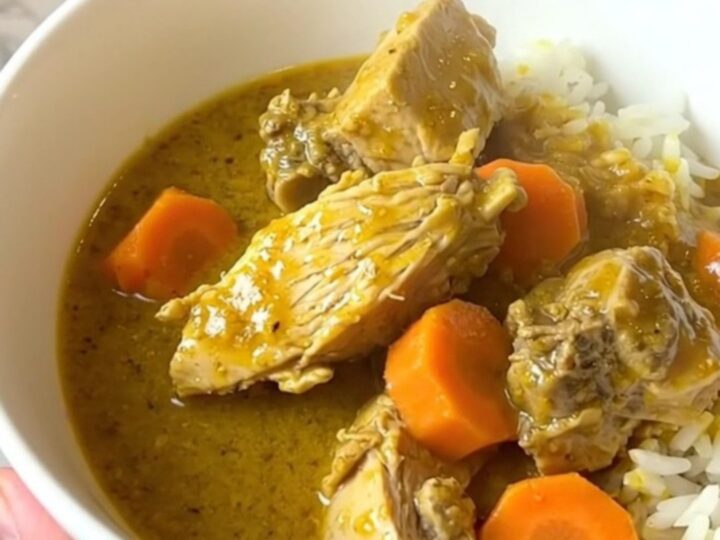
- Prep
- Cook
- Total
- Serves
- 4
Master the art of hands-off cooking with this creamy, aromatic turkey curry. By leveraging the gentle, consistent heat of a slow cooker, you can achieve restaurant-quality texture and depth of flavor with minimal effort. This recipe is designed to be a reliable, comforting addition to any weekly meal rotation, providing a satisfying experience that requires very little active time in the kitchen.
Creating a delicious, warming stew does not have to be a labor-intensive process. This slow cooker turkey curry combines the lean protein of turkey breast with the natural sweetness of carrots and the rich, velvety texture of coconut milk.
The mild curry powder infuses the entire dish with a gentle, fragrant warmth, making it an excellent choice for a family-friendly dinner. Whether you are looking for an easy weeknight meal or a simple way to feed a crowd, this dish offers a perfect blend of convenience and classic, home-cooked comfort that everyone will enjoy.
Ingredients
Main Ingredients
- 1 1/2 lb turkey breast, cut into chunks
- 3 large carrots, sliced
- 1 medium yellow onion, chopped
- 2 tbsp mild curry powder
- 1 cup full-fat coconut milk
Why this recipe works
The slow cooking method works by breaking down the fibrous structures in the turkey and carrots over several hours. This gradual increase in temperature allows the coconut milk to emulsify with the juices from the turkey and vegetables, resulting in a sauce that is significantly more flavorful than one made on the stovetop.
The low, steady heat ensures that the turkey remains tender and moist rather than drying out, which is a common risk when cooking lean poultry at higher temperatures for shorter periods.
The order of ingredients is crucial for this method. By placing the turkey at the base, it remains submerged in the liquid as the vegetables soften and release their own moisture. The curry powder, when added on top, slowly permeates the dish as the steam circulates within the covered vessel.
This layering technique ensures that the flavors are distributed evenly, creating a cohesive and complex profile that develops naturally throughout the cooking process without the need for constant stirring or monitoring.
Notes and substitutions
When selecting ingredients, aim for fresh, firm carrots and high-quality turkey breast. The consistency of the curry powder is important; ensure it is fresh to maximize the aromatic qualities of the dish.
If you prefer a more intense flavor, feel free to adjust the amount of curry powder, but be aware that different blends can vary significantly in heat and spice intensity. The coconut milk should be full-fat to ensure the sauce achieves the desired thickness and creamy mouthfeel during the slow cooking process.
The slow cooker size matters significantly for even cooking. This recipe is optimized for a standard oval slow cooker. If your model is significantly larger, you may need to reduce the cook time slightly to prevent the turkey from overcooking. Always ensure the lid remains securely closed throughout the cooking process, as lifting it releases essential heat and moisture, which can increase the total cooking time and compromise the final texture of the stew.
- turkey breast: chicken breast or boneless chicken thighs cut into similar sized pieces
- full-fat coconut milk: heavy cream for a richer finish
Equipment
- Slow cooker
- Chef knife
- Cutting board
- Measuring cups
- Measuring spoons
Up next · Part 2 of 3
3 steps · 5 h of cooking · what to look for at each stage
Step-by-step instructions (Part 2)