Dinner · Part 1 of 3: Ingredients
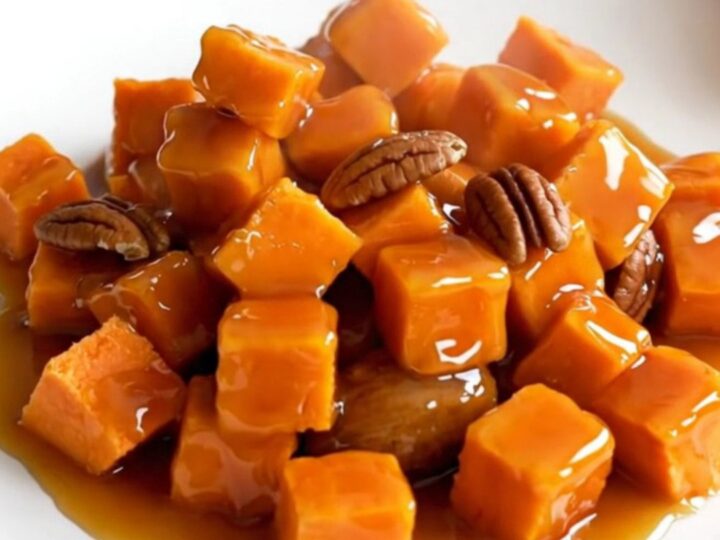
Slow Cooker Maple Pecan Sweet Potatoes for Easy Holidays
- Prep
- Cook
- Total
- Serves
- 6
Elevate your side dish game with this effortless slow cooker recipe that turns sweet potatoes into a caramelized, nutty masterpiece. With minimal hands-on time, you can create a restaurant-quality dish that brings warmth and comfort to any table.
This method relies on the slow cooker to gently cook the potatoes while infusing them with the rich, aromatic flavors of maple syrup, toasted pecans, and warming cinnamon, resulting in a perfectly tender texture and a glossy, addictive glaze that everyone will enjoy.
Sweet potatoes are a versatile staple, but slow cooking them transforms their texture into something incredibly tender and flavorful. By combining them with maple syrup and butter, the sugars undergo a gentle caramelization process that creates a deep, complex sweetness.
The addition of pecans provides a necessary textural contrast, adding a delightful crunch that balances the softness of the potatoes. This recipe is designed for ease, allowing the slow cooker to do the heavy lifting while you focus on the rest of your meal. It is an ideal solution for holiday dinners or simple family suppers alike.
Ingredients
- 3 lbs sweet potatoes, peeled and cut into 1-inch cubes
- 1 cup pecans
- 1 tsp ground cinnamon
- 1/2 cup pure maple syrup
- 4 tbsp butter, melted
Why this recipe works
The slow cooker environment is perfect for this dish because it maintains a consistent, low-to-moderate temperature that allows the sweet potatoes to cook through without breaking apart.
As the potatoes release their natural moisture, they combine with the maple syrup and melted butter to form a rich, syrupy glaze that coats every single cube beautifully. This moist heat ensures the potatoes remain succulent and tender, preventing the drying that can occur with high-heat oven roasting.
Cooking the pecans along with the potatoes allows the nuts to soften slightly while absorbing the maple and cinnamon flavors. This creates a cohesive dish where the nuttiness of the pecans enhances the sweetness of the potatoes rather than just acting as a simple garnish.
Because the slow cooker is a closed system, the cinnamon aroma is trapped inside, ensuring that every bite is deeply infused with spice. This method guarantees a consistent result every time you prepare it.
Notes and substitutions
Choose firm, bright orange sweet potatoes for the best flavor and color. It is important to cut them into uniform one-inch cubes to ensure they cook at the same rate. If the pieces are too large, they may remain firm in the center, while smaller pieces might turn into mash. You can use either regular butter or a high-quality plant-based butter alternative to achieve the same rich, glossy finish in the sauce.
When selecting equipment, a standard oval slow cooker works best to provide enough surface area for the potatoes to cook evenly. Ensure your slow cooker is not filled to the very top, as this can affect heat distribution. While pecans are the classic choice for this recipe, you can easily substitute them with walnuts if preferred. Always ensure your cinnamon is fresh, as older spices may lose their potency and fail to provide the necessary aromatic depth to the dish.
- pecans: walnuts or chopped almonds
- maple syrup: honey or brown sugar mixed with a little water
Equipment
- slow cooker
- vegetable peeler
- chef knife
- small mixing bowl
- whisk
Up next · Part 2 of 3
3 steps · 4 h of cooking · what to look for at each stage
Step-by-step instructions (Part 2)