Dinner · Part 1 of 3: Ingredients
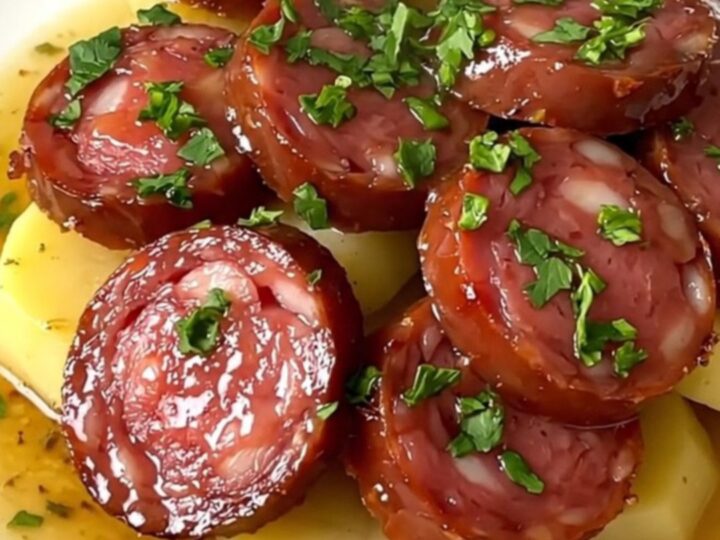
Slow Cooker Lyonnais Sausage and Potatoes
- Prep
- Cook
- Total
- Serves
- 4
Transform humble ingredients into a sophisticated French-inspired meal with the help of a slow cooker. This method relies on gentle heat and aromatic wine to build deep, complex flavors without requiring constant attention, making it an ideal choice for effortless dining. By utilizing the slow cooker, you unlock a world of convenience where the appliance does the heavy lifting, allowing you to focus on other tasks while the meal develops its rich, savory profile, resulting in a dinner that feels both elegant and incredibly comforting for any occasion.
The beauty of this Lyonnais sausage and potato dish lies in its simplicity. By layering hearty potatoes with savory sausage and aromatics, the slow cooker creates a tender, cohesive meal that feels special enough for guests yet easy enough for a weeknight.
The white wine provides an acidic backbone that cuts through the richness of the sausage, while the potatoes absorb all the savory juices as they slowly steam, resulting in a perfectly balanced dish that requires minimal preparation time. This classic combination is a testament to how few ingredients can create something truly memorable and satisfying for everyone at the table.
Ingredients
Main
- 4 pieces Lyonnais sausage
- 1 lb potatoes, sliced
- 2 medium shallots, chopped
- 1/2 cup dry white wine
Garnish
- fresh parsley, for serving
Why this recipe works
The slow cooking process allows the potatoes to become exceptionally tender while absorbing the savory essence of the sausages. Because the vessel is sealed, the moisture from the wine and the natural juices from the meat circulate, creating a self-basting environment that keeps everything succulent.
This gentle, consistent heat ensures that the potatoes do not dry out, but rather become infused with the aromatic profile of the sausage and the subtle acidity of the wine, resulting in a texture that is soft, creamy, and deeply flavorful throughout the entire cooking duration.
By using a slow cooker, the flavors of the shallots and wine infuse deeply into the potatoes and sausage. This method ensures that the meat remains moist throughout the long cooking duration, while the gentle heat prevents the potatoes from breaking down into mush, maintaining their structure perfectly.
The slow, steady temperature allows for a slow release of starches from the potatoes, which naturally thickens the cooking liquid into a light, glossy sauce that coats every component of the dish, creating a harmonious and cohesive meal that is both visually appealing and delicious.
Notes and substitutions
Lyonnais sausage is the traditional choice here, but any flavorful, high-quality pork sausage works well if the original is unavailable. Ensure the potatoes are sliced uniformly to about half an inch thick to guarantee that all pieces finish cooking at the same time for the best texture. Selecting a waxy potato variety, such as Yukon Gold or red potatoes, is highly recommended as they hold their shape better during the long, slow cooking process, ensuring the final dish maintains a beautiful presentation without becoming overly soft or crumbling during the serving process.
For the wine, choose a dry variety like Sauvignon Blanc or Pinot Grigio, as these provide the necessary acidity to balance the dish. If alcohol is not preferred, a high-quality chicken or vegetable stock mixed with a teaspoon of white wine vinegar provides a similar flavor profile.
Always ensure the slow cooker insert is clean and dry before adding the ingredients, and avoid using frozen ingredients, as this can affect the cooking time and safety of the final dish. Using fresh, high-quality aromatics will significantly enhance the overall depth and complexity of the finished meal.
- Lyonnais sausage: Any high-quality pre-cooked or fresh garlic-herb pork sausage.
- Dry white wine: Chicken or vegetable broth with a splash of white wine vinegar.
Equipment
- Slow cooker
- Knife
- Cutting board
- Measuring cup
Up next · Part 2 of 3
3 steps · 4 h of cooking · what to look for at each stage
Step-by-step instructions (Part 2)