Dinner · Part 2 of 3: Instructions
Slow Cooker Lozère Manouls with Carrots and White Wine Step-by-step instructions
- Prep
- Cook
- Total
- Serves
- 4
Before you start
Prepare the ingredients by slicing the carrots and onions into uniform pieces to ensure even cooking. Ensure the slow cooker insert is clean and dry. Have your bouquet garni ready to go.
If the manouls are not pre-tied, ensure they are securely fastened so they maintain their shape during the long cooking time. Keep all ingredients refrigerated until just before you start the layering process to maintain food safety standards.
Ingredients at a glance (5)
- 4 pieces manouls
- 2 medium carrots, sliced
- 1 medium onions, sliced
- 1 bundle bouquet garni
- 1 cup dry white wine
Instructions
Initial Preparation
- Layering the basePlace the raw tied manouls into the bottom of the slow cooker insert. Ensure they are arranged in an even layer to promote consistent cooking throughout the process.Look for Manouls are snugly positioned at the base.Tip Ensure the slow cooker insert is clean before starting.
Check that the manouls are evenly placed at the base of the slow cooker, creating a stable foundation for the vegetables and liquids to follow. The arrangement should look neat, with no overcrowding, ensuring that the heat can distribute evenly around each piece of meat during the long cooking cycle.
Aromatic Infusion
- Adding aromaticsScatter the sliced carrots and onions evenly over the top of the manouls. Place the bouquet garni bundle in the center of the slow cooker to infuse the dish with herbal notes.Look for Vegetables are distributed uniformly over the meat.Tip Slice vegetables to a uniform thickness for even texture.
- Pouring the winePour the white wine over the vegetables and meat using a glass measuring cup. Cover the slow cooker and cook on low for 8 hours until the meat reaches 145°F (63°C). Let the meat rest at least 3 minutes before serving.Look for Wine surrounds the ingredients without submerging them completely.Safe temperature 145°F (63°C) internal temperature (steaks, chops and roasts)Tip Use a dry white wine for the best flavor profile.
Ensure the carrots and onions are distributed in an even layer over the manouls, with the bouquet garni positioned centrally. The white wine should be poured carefully to moisten the ingredients. The setup should look balanced, with the aromatics ready to release their flavors into the wine as the cooker warms up.
Final Tenderness
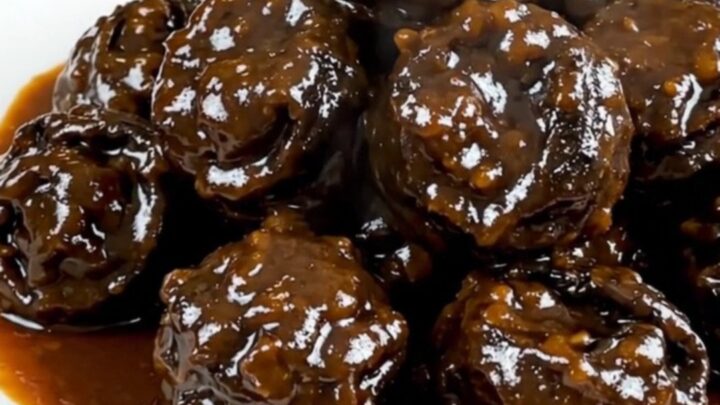
- Finishing and servingOnce cooking is complete, carefully transfer the manouls and vegetables to a serving plate. Serve hot while steaming.Look for Meat is tender and glossy with a rich aroma.Tip Remove the bouquet garni before plating the final dish.
The dish is complete when the manouls are fork-tender and the kitchen is filled with a savory, herbal aroma. The liquid should be reduced and glossy, indicating that the ingredients have successfully melded.
Verify the internal temperature of the meat with a thermometer to ensure it is cooked through and safe to serve.
Common mistakes
Avoid lifting the slow cooker lid frequently, as this releases heat and moisture, significantly increasing the cooking time and potentially drying out the ingredients. Do not overfill the slow cooker; allow enough room for the liquid to circulate.
Ensure the bouquet garni is not buried too deeply so it can be easily retrieved before serving. Finally, do not rush the process; the low and slow approach is what creates the characteristic tenderness of this traditional dish.
How to tell it’s done
The manouls are done when they reach an internal temperature of 145°F (63°C). At this point, the tripe should be fork-tender and yield easily when pressed. The vegetables should be soft and translucent, having absorbed the wine and juices.
Always use a digital meat thermometer inserted into the thickest part of the manouls to verify the temperature, ensuring it has reached the safe minimum for whole-cut meat before serving.
- Steaks, chops and roasts: 145°F (63°C) in the thickest part, then a 3-minute rest
Up next · Part 3 of 3
2 variations · storage & make-ahead · 3 answers · printable card
Tips, FAQ & printable recipe (Part 3)← Back to the ingredients (Part 1)