Dinner · Part 2 of 3: Instructions
Slow Cooker Lemon Salmon Tagliatelle Step-by-step instructions
- Prep
- Cook
- Total
- Serves
- 4
Before you start
Before beginning, ensure your slow cooker is clean and placed on a stable, heat-resistant surface. Prepare the salmon by removing any skin and pin bones, then cut it into uniform one-inch cubes to ensure they cook at the same rate.
Have your heavy cream measured and ready to pour, and ensure your bouillon cube is unwrapped and ready to be crumbled. Having these ingredients prepped in advance allows for a smooth assembly process, which is essential for maintaining the integrity of the pasta and fish layers before the cooking cycle starts.
Ingredients at a glance (4)
- 1 lb fresh salmon fillets, cut into cubes
- 8 oz dried tagliatelle nests
- 1 vegetable bouillon cube, crumbled
- 1 cup heavy cream
Instructions
Layering the ingredients
- Assemble the slow cookerPlace the cubed salmon at the bottom of the slow cooker basin. Arrange the dried tagliatelle nests in a single layer over the salmon. Scatter the crumbled bouillon cube evenly across the pasta.Look for ensure the salmon is evenly distributedTip arranging pasta in a single layer helps it cook more evenly in the cream sauce
At this stage, the slow cooker contains a neat arrangement of salmon cubes on the bottom, topped with a layer of dry tagliatelle nests and the crumbled bouillon. Everything is ready for the addition of the cream. Ensure the pasta nests are as flat as possible to allow the cream to penetrate the center of the nests thoroughly during the cooking process, which prevents any dry, uncooked patches from forming.
Slow poaching in cream
- Add cream and cookPour the heavy cream over the salmon and pasta. Cover the slow cooker and cook on low heat for 2 hours, or until the pasta is tender and the salmon is fully cooked through.Look for the sauce should be simmering and thickenedSafe temperature 145°F (63°C) internal temperature (fish)Tip do not overcook the salmon to keep it tender
The cream has been poured over the ingredients and the slow cooker is covered. During this phase, the salmon is gently poaching and the pasta is absorbing the liquid.
You will notice the cream beginning to bubble slightly around the edges as the temperature rises. The kitchen will begin to smell savory and rich. Ensure the lid stays closed to trap the steam, which is critical for cooking the pasta through to an al dente state.
Final resting and serving
- Finish and serveGently stir the pasta and salmon to coat everything in the thickened cream sauce. Let the dish rest for 5 minutes before serving on individual plates to allow the flavors to meld and the sauce to set perfectly.Look for the sauce should coat the pasta glossy and smoothTip use a gentle hand when stirring to avoid breaking the salmon pieces too much
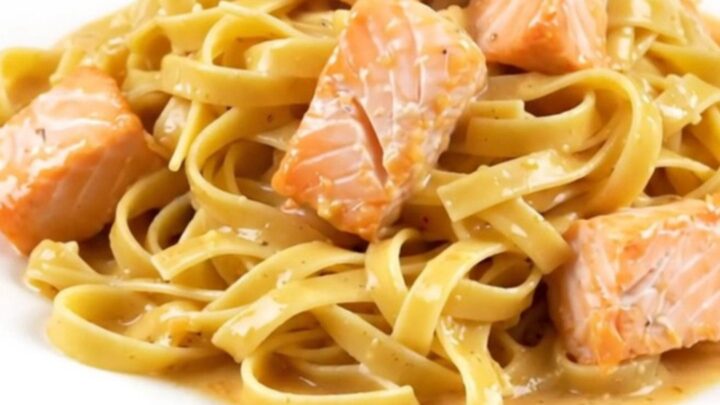
The cooking cycle is complete. The pasta is tender and the salmon is perfectly flaked. Upon stirring, the sauce transforms into a rich, creamy coating that binds the salmon and pasta together. The dish should look glossy and cohesive. Allow it to rest for a few minutes before serving to ensure the sauce adheres to the pasta and the temperature stabilizes, making the final dish easy to plate and serve.
Common mistakes
Avoid using pasta that is already cooked, as the slow cooker will turn it into mush. Always use dried pasta, as it requires the liquid from the cream to rehydrate. Do not overcook the salmon, as this will lead to a dry, mealy texture; check the fish for doneness around the two-hour mark.
Additionally, avoid stirring the dish until the very end, as the pasta nests need to remain undisturbed to cook evenly in the liquid. Resist the urge to add extra liquid beyond the recipe, as the salmon and pasta will release their own moisture during the process.
How to tell it’s done
The dish is ready when the tagliatelle is cooked to an al dente texture, meaning it is tender but still offers a slight resistance to the bite. The salmon should be opaque throughout and flake easily with a fork, reaching a safe internal temperature of 145°F (63°C).
The sauce should be visibly thickened and glossy, coating the pasta evenly without being watery or separated. If the sauce appears too thin, let it rest for a few additional minutes, as the starch from the pasta will continue to thicken the cream as it cools slightly.
- Fish: 145°F (63°C) in the thickest part
Up next · Part 3 of 3
2 variations · storage & make-ahead · 3 answers · printable card
Tips, FAQ & printable recipe (Part 3)← Back to the ingredients (Part 1)