Dinner · Part 3 of 3: Tips & recipe card
Lemon Piccata Crockpot Potatoes and Artichokes Tips, FAQ & printable recipe

- Prep
- Cook
- Total
- Serves
- 8
Tips for success
For the best texture, choose potatoes that are similar in size so they cook at the same rate. If your potatoes are larger than a golf ball, cut them into quarters rather than halves. Stir the mixture gently once halfway through cooking to redistribute the sauce, but avoid vigorous stirring that could break the potatoes.
If you prefer a thicker sauce, remove the potatoes and artichokes with a slotted spoon, then simmer the remaining liquid on the stovetop for a few minutes to reduce it further before pouring it over the dish.
This recipe is forgiving—you can add a pinch of red pepper flakes for heat or a handful of chopped olives for extra brininess. For a richer version, stir in a splash of heavy cream during the last 30 minutes of cooking.
If you have fresh thyme or oregano, add a few sprigs to the slow cooker for an herbal note. The leftovers are delicious cold in a salad or reheated gently. Serve the potatoes and artichokes as a side to roasted chicken, seared fish, or even over a bed of grains for a vegetarian main.
Variations
- Add chicken: For a one-pot main, add 1.5 pounds of boneless, skinless chicken thighs to the slow cooker along with the potatoes. Cook on high for 3.5 to 4 hours, until the chicken reaches 165°F (74°C). Remove the chicken, shred or slice, and serve over the potatoes.
- Herb twist: Stir in 1 tablespoon of fresh thyme leaves and 1 teaspoon of chopped fresh rosemary with the other ingredients. The herbs add an earthy note that complements the lemon and capers. Garnish with extra thyme sprigs before serving.
- Spicy kick: Add 1/2 teaspoon of red pepper flakes or one minced fresh serrano pepper for a subtle heat. The spice cuts through the buttery richness and brightens the citrus flavors. Adjust the amount to your preference.
- Vegan version: Replace the butter with 1/2 cup of olive oil or a vegan butter substitute. Use vegetable broth instead of white wine (or keep the wine, which is vegan). The dish remains rich and flavorful, with the olive oil providing a fruity note.
Storage and make-ahead
- Fridge
- Store leftovers in an airtight container in the refrigerator for up to 4 days.
- Freezer
- Freeze in a freezer-safe container for up to 3 months. Thaw overnight in the refrigerator and reheat gently on the stovetop or in the microwave.
- Reheat
- Reheat in a skillet over medium-low heat with a splash of chicken broth or water, stirring occasionally, until heated through.
Store leftover potatoes and artichokes in an airtight container in the refrigerator for up to 4 days. The sauce will thicken as it cools; when reheating, add a splash of chicken broth, water, or extra lemon juice to loosen it. Reheat gently in the microwave or on the stovetop over low heat, stirring occasionally, until warmed through. Avoid boiling, which can make the potatoes mushy.
You can prep the ingredients up to a day in advance: halve the potatoes, drain the artichokes, mince the garlic, and juice the lemons. Store them separately in the refrigerator. When ready to cook, layer everything in the slow cooker and proceed with the recipe. The dish itself is best served fresh, but leftovers keep well in the fridge for several days.
Serving ideas
Serve these lemon piccata potatoes and artichokes as a vibrant side dish alongside roasted chicken, grilled salmon, or pork chops. The bright, tangy sauce pairs beautifully with simply cooked proteins and balances richer mains like braised beef or creamy pastas.
A sprinkle of fresh parsley and a few lemon slices on the platter add a restaurant-quality finish. For a vegetarian meal, spoon the potatoes and artichokes over cooked quinoa or couscous and top with crumbled feta.
This dish also works well as part of a holiday spread—it brings color and acidity to a table full of heavy, comforting sides. The slow cooker keeps it warm for serving, making it a convenient option for buffets or potlucks.
If you're serving a crowd, double the recipe in a larger slow cooker, keeping the same cooking time. Garnish with extra capers and a drizzle of the reduced sauce for a polished look.
Frequently asked questions
Can this be made ahead and reheated?
Why are the potatoes not tender after 3 hours?
Can you use frozen artichoke hearts instead of canned?
Is there a non-alcoholic substitute for white wine?
Can this recipe be cooked on low instead of high?
Lemon Piccata Crockpot Potatoes and Artichokes
Ingredients
- 3 lb baby Yukon Gold potatoes, halved
- 2 cans (14 oz each) quartered artichoke hearts, drained
- 1/2 cup fresh lemon juice
- 1/2 cup dry white wine
- 1/4 cup capers, drained
- 4 cloves garlic, minced
- 1 stick unsalted butter, cut into pieces
- 1 tsp kosher salt
- 1/2 tsp black pepper
- 1/4 cup fresh parsley, chopped
- 1 lemon, sliced into rounds, for serving
Instructions
- Halve the baby Yukon Gold potatoes so they are roughly the same size. Drain and rinse the canned artichoke hearts. Mince the garlic, juice the lemons, and cut the butter into small pieces. Have all the ingredients measured and ready before you start layering.
- Place the halved potatoes and drained artichoke hearts in the slow cooker. Add the lemon juice, white wine, capers, garlic, salt, and pepper. Toss gently to coat everything. Dot the top with the butter pieces.
- Cover the slow cooker with the lid. Cook on HIGH for 3 hours, until the potatoes are fork-tender and have absorbed much of the lemony caper butter sauce. Stir once halfway through if possible, but avoid lifting the lid too often.
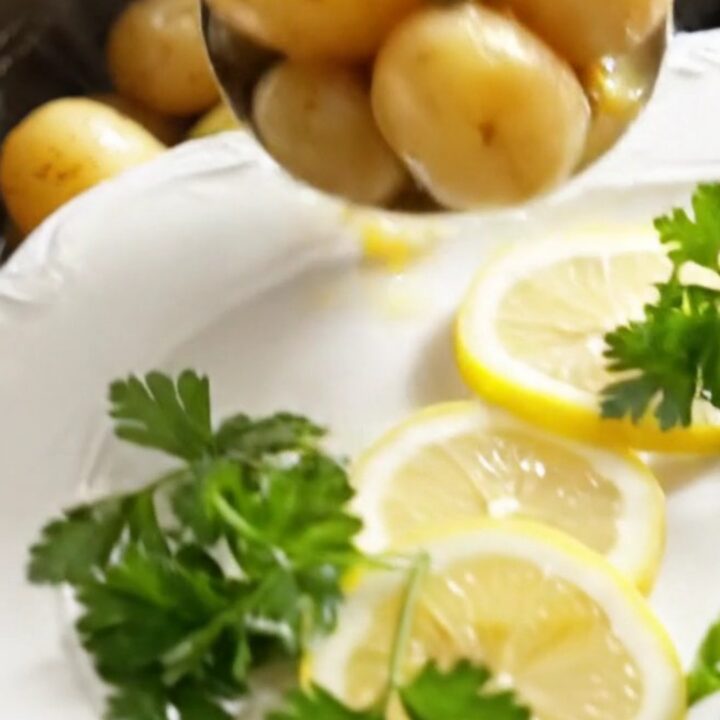
- Once the potatoes are tender, transfer the potatoes and artichokes to a serving platter using a slotted spoon. Spoon any remaining butter sauce over the top. Sprinkle with chopped fresh parsley and arrange lemon slices around the platter. Serve warm.
Estimated nutrition per serving
- Calories
- 298
- Protein
- 5 g
- Carbohydrates
- 36 g
- Fat
- 14 g
- Fiber
- 6 g
- Sugar
- 3 g
Next recipe

Four-Cheese Garlic Bread Stuffing Casserole
See the recipe → →This recipe is based on a short cooking video and is published under the pen name Clara Weller. It was checked before publication, but errors can slip through. Nutrition, when shown, is an estimate. Read more in our editorial policy and on our food safety page.
More recipes to try

Brown Butter Maple Mashed Butternut Squash (Slow Cooker)
Total time: 3 h 45 min
Creamy Jalapeño Popper Hashbrown Casserole
Total time: 3 h 15 min
Crockpot Tuscan Mashed Potatoes with Sun-Dried Tomatoes and Spinach
Total time: 4 h 15 min
Slow-Cooker Southern Oyster Cornbread Dressing
Total time: 3 h 50 min
Velvety Crockpot Parsnip Potato Mash
Total time: 4 h 15 min