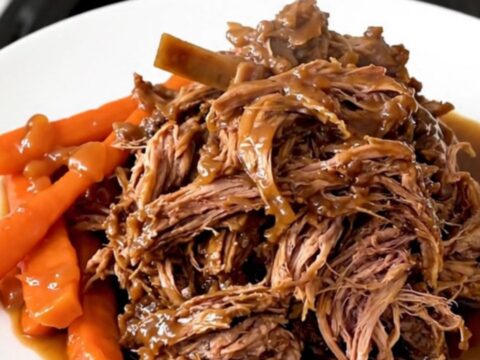
Dinner · Part 3 of 3: Tips & recipe card
Slow Cooker Lamb Shanks with Red Wine and Shallots Tips, FAQ & printable recipe
- Prep
- Cook
- Total
- Serves
- 2
Tips for success
For a more refined sauce, strain the solids from the slow cooker once the lamb is cooked.
You can then simmer the remaining liquid in a small saucepan over medium-high heat until it reaches your desired consistency and shine. This step adds a professional touch to the final presentation of the dish.
If you prefer a thicker sauce, you can whisk a small amount of cornstarch slurry into the liquid during the final 30 minutes of cooking. This will help the sauce coat the back of a spoon more effectively, ensuring every bite of lamb is enveloped in the rich, savory reduction.
Variations
- Herbed Lamb Shanks: Add two sprigs of fresh rosemary and one bay leaf to the slow cooker at the beginning of the process. The woody herbs infuse the sauce with a bright, aromatic quality that complements the richness of the lamb beautifully.
- Garlic-Infused Lamb: Include four whole, peeled garlic cloves in the slow cooker along with the shallots. The garlic will soften during the long cooking time, providing a mellow, savory undertone that enhances the complexity of the red wine sauce.
Storage and make-ahead
- Fridge
- Keep in an airtight container for up to 3 days.
- Freezer
- Freeze in a freezer-safe container for up to 2 months. Thaw overnight in the refrigerator before reheating.
- Reheat
- Reheat slowly in a saucepan over low heat until warmed through, adding a little water or broth if necessary.
Store any leftover lamb and sauce in an airtight container in the refrigerator for up to three days.
To maintain the quality of the meat, keep it submerged in the sauce to prevent it from drying out. Ensure the leftovers cool completely within two hours before placing them in the cold environment.
This dish is an excellent candidate for making ahead, as the flavors often improve after sitting for a day. Simply prepare the recipe as directed, cool it quickly, and refrigerate.
Reheat gently on the stovetop or in the oven, adding a splash of broth if the sauce has thickened too much during storage.
Serving ideas
Serve the lamb shanks hot, ideally over a bed of creamy mashed potatoes or buttery polenta to soak up the luxurious red wine sauce.
Steamed green beans or roasted root vegetables make an excellent side dish, adding a fresh contrast to the rich, savory profile of the braised lamb.
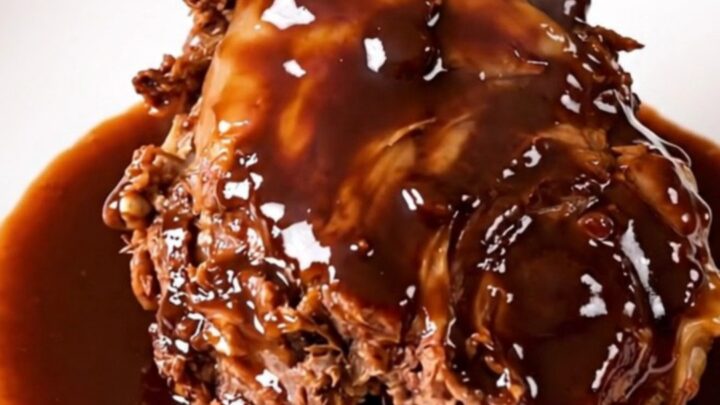
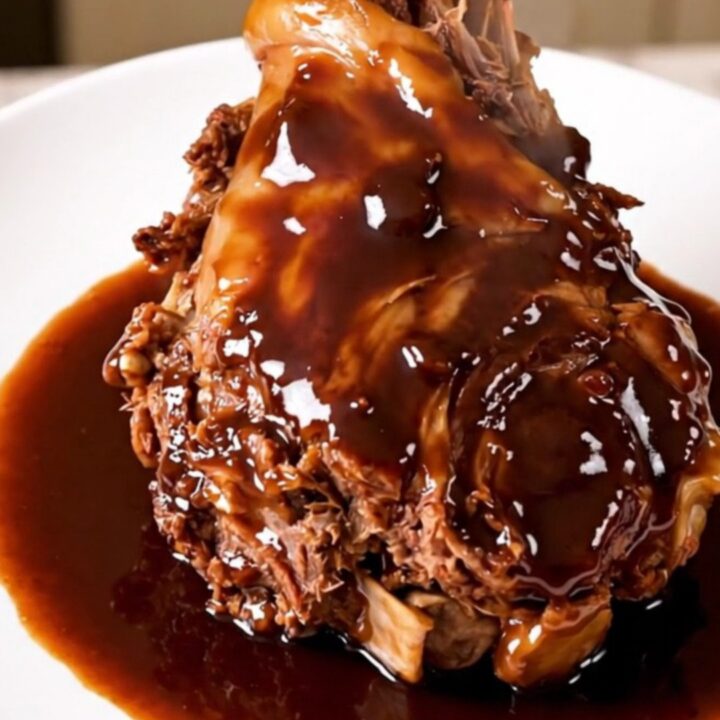
Present each shank on a warm plate, spooning the glossy sauce generously over the top. A light garnish of fresh herbs like chopped parsley or thyme can add a bright, aesthetic finish to the dark, rich sauce, enhancing the overall visual appeal of this comforting and hearty meal.
Frequently asked questions
Can this be made in a standard oven instead of a slow cooker?
What is the best type of red wine to use?
Why does the sauce look thin at the end?
Slow Cooker Lamb Shanks with Red Wine and Shallots
Ingredients
- 2 lamb shanks
- 4 shallots, halved
- 2 carrots, sliced into rounds
- 1 tbsp veal stock powder
- 1 cup red wine
Instructions
- Place the raw lamb shanks into the bottom of the slow cooker basin. Arrange the halved shallots and carrot rounds around the meat. Ensure the ingredients are evenly distributed to allow for uniform cooking during the long braising process.
- Sprinkle the veal stock powder directly over the lamb and vegetables. Pour the red wine over the entire mixture. Cover the slow cooker with its lid and set to low heat for 8 hours or high heat for 4 hours.
- Check the lamb for tenderness. The meat should pull away from the bone easily when tested with a fork. Ensure the internal temperature reaches 145°F (63°C). Allow the lamb to rest at least 3 minutes before serving with the reduced sauce from the pot.
Estimated nutrition per serving
- Calories
- 450
- Protein
- 35 g
- Carbohydrates
- 12 g
- Fat
- 24 g
- Fiber
- 2 g
- Sugar
- 5 g
- Sodium
- 450 mg
Next recipe
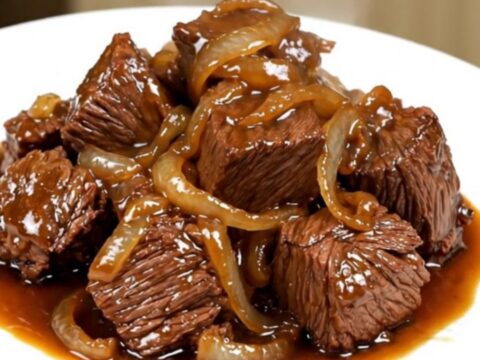
Slow Cooker Beef with Caramelized Onions
See the recipe → →This recipe is based on a short cooking video and is published under the pen name Clara Weller. It was checked before publication, but errors can slip through. Nutrition, when shown, is an estimate. Read more in our editorial policy and on our food safety page.
More recipes to try

Creamy Slow Cooker Potato Gratin
Total time: 4 h 25 min
Slow Cooker Grandma-Style Chicken with Bacon and Pearl Onions
Total time: 6 h 15 min
Slow Cooker Red Kuri Squash and Comté Gratin
Total time: 4 h 20 min
Slow Cooker Coconut Curry Monkfish for an Easy Dinner
Total time: 3 h 10 min
Slow Cooker Vietnamese Caramel Pork
Total time: 4 h 15 min