Dinner · Part 1 of 3: Ingredients
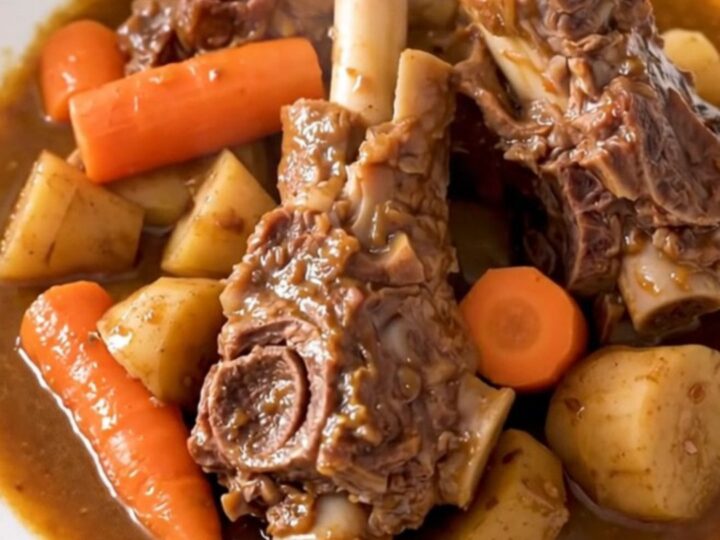
Slow Cooker Lamb Navarin with Root Vegetables
- Prep
- Cook
- Total
- Serves
- 4
Discover the art of effortless French cooking with this slow-cooked lamb navarin. This recipe simplifies a traditional hearty stew, allowing the slow cooker to do the heavy lifting while you enjoy the rich, savory aromas that fill your kitchen throughout the day.
A traditional Navarin is a classic French lamb stew, typically celebrated for its delicate balance of tender meat and seasonal root vegetables. By utilizing a slow cooker, this version achieves that signature fork-tender texture with minimal hands-on time, making it an ideal choice for busy schedules or relaxed weekends.
The combination of lamb, parsnips, and carrots, tied together by a savory tomato-infused broth, results in a deeply satisfying meal that requires only a few minutes of preparation before you let the appliance handle the rest of the cooking process.
Ingredients
Main Ingredients
- 1 1/2 lb lamb shoulder or leg, cut into 1-inch cubes
- 2 medium parsnips, peeled and chopped
- 3 medium carrots, peeled and sliced
Sauce
- 1 cube beef or vegetable bouillon cube, crumbled
- 2 tbsp tomato paste, diluted in 1 cup water
Why this recipe works
The slow cooker method provides a gentle, consistent heat that is perfect for braising tougher cuts of meat like lamb shoulder. Over the course of several hours, the connective tissue in the lamb breaks down, resulting in incredibly tender meat that practically melts away.
This process also allows the natural sweetness of the parsnips and carrots to intensify and mingle with the savory tomato broth, creating a complex flavor profile that develops deeply over time without the need for constant monitoring or stirring.
Additionally, the slow cooking environment acts as a self-basting system. As the liquid gently bubbles, it circulates the flavors throughout the pot, ensuring every piece of lamb and vegetable is infused with the tomato and bouillon base. This method eliminates the risk of scorched bottoms or uneven cooking that can occur on a stovetop, providing a foolproof way to achieve a restaurant-quality stew that is both consistent and reliable every single time it is prepared.
Notes and substitutions
When selecting lamb for this recipe, look for well-marbled cuts such as lamb shoulder or leg, as these have enough fat content to remain succulent during the long cook time. If you prefer a leaner result, you can trim the excess fat before cubing, but be aware that a small amount of fat is beneficial for keeping the meat moist.
For the vegetables, choose firm, unblemished parsnips and carrots to ensure they hold their shape throughout the extended cooking duration and provide a pleasant contrast in texture to the tender meat.
The equipment required is minimal, with the slow cooker being the primary tool. If your slow cooker has a ceramic insert, ensure it is clean before starting. If you find yourself without a bouillon cube, a high-quality stock or broth can be substituted, though you may need to adjust the salt content accordingly.
The tomato paste is essential for providing the body and color of the sauce; ensure it is fully whisked into the water to create a smooth, lump-free liquid before pouring it over the other ingredients.
- Lamb: Beef chuck roast, cut into similar sized cubes.
- Parsnips: Turnips or additional carrots for a similar texture.
Equipment
- Slow cooker
- Cutting board
- Chef's knife
- Measuring cup
Up next · Part 2 of 3
3 steps · 8 h of cooking · what to look for at each stage
Step-by-step instructions (Part 2)