Dinner · Part 2 of 3: Instructions
Slow Cooker Lamb Navarin with Green Beans and Potatoes Step-by-step instructions
- Prep
- Cook
- Total
- Serves
- 4
Before you start
Before beginning, ensure all ingredients are properly prepared. Trim any excess fat from the lamb shoulder if preferred, although some fat is necessary for flavor.
Peel and cut the potatoes into uniform 1-inch cubes to ensure even cooking. Trim the ends of the green beans and cut them into bite-sized lengths if they are very long.
Have your slow cooker clean and placed on a stable, heat-resistant surface near an electrical outlet. Gather all your dry and liquid ingredients so they are ready for the assembly phase, which helps keep the kitchen organized and the process moving smoothly.
Ingredients at a glance (5)
- 1 1/2 lb lamb shoulder, cut into 1-inch cubes
- 1 lb fresh green beans, trimmed
- 4 medium Yukon Gold potatoes, peeled and cubed
- 1 tbsp herbes de Provence
- 2 cups beef broth
Instructions
Preparation and Layering
- Assemble the IngredientsPlace the cubed lamb shoulder into the base of the slow cooker. Add the trimmed green beans and the peeled, cubed potatoes on top of the lamb. Ensure they are distributed evenly to promote uniform cooking throughout the slow cooker.Look for The lamb should be in a single layer at the bottom for best results.Tip Pat the lamb dry with paper towels before adding it to the slow cooker to ensure better browning and flavor development.
At the end of this phase, the slow cooker is filled with the raw ingredients. The lamb is resting at the bottom, and the vegetables are neatly arranged on top. Everything is ready to be seasoned, ensuring that the flavors will be distributed correctly as the cooking liquid penetrates the layers during the slow heating process.
Seasoning and Braising
- Season and Add LiquidSprinkle the herbes de Provence generously over the lamb and vegetables. Pour the beef broth over the entire mixture, ensuring the liquid reaches the bottom of the slow cooker. Cover the slow cooker with its lid and set to low heat for 6 hours.Look for The liquid should partially submerge the ingredients without filling the cooker to the brim.Tip Avoid lifting the lid during the first few hours of cooking, as this releases heat and moisture that are crucial for the braising process.
Once the broth is added and the cooker is turned on, the braising process begins. The aroma of the herbes de Provence begins to fill the kitchen as the liquid warms up. The slow cooker should be undisturbed during this time, allowing the gentle heat to begin breaking down the meat fibers and softening the vegetables.
Final Cooking and Resting
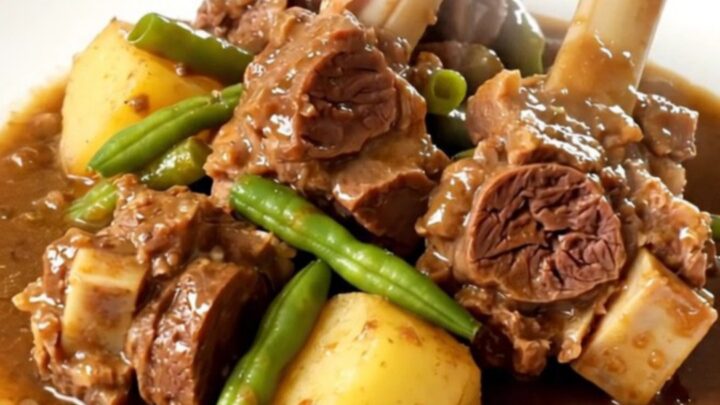
- Cook and ServeCheck that the lamb reaches an internal temperature of at least 145°F (63°C). Once cooked, let the meat rest at least 3 minutes before serving. Ladle the stew into bowls, making sure to include plenty of the cooking liquid, vegetables, and tender meat.Look for The lamb should be fork-tender and the vegetables soft but not mushy.Safe temperature 145°F (63°C) internal temperature (steaks, chops and roasts)Tip Serve with a side of crusty bread to soak up the flavorful broth created during the long, slow cooking process.
The final phase concludes when the meat is fully tender and cooked through. The stew should look rich, glossy, and steaming. After the required resting period, the dish is ready to be served, with the flavors fully integrated into the savory broth and the ingredients perfectly cooked to a soft, comforting texture.
Common mistakes
Avoid overcrowding the slow cooker, as this can prevent the ingredients from cooking evenly. Do not skip the resting period after the cooking is finished, as this allows the juices in the meat to redistribute, ensuring maximum tenderness.
Another common mistake is adding too much liquid; the broth should just barely cover the ingredients. Finally, ensure the lid remains securely closed for the duration of the cooking time to maintain the necessary internal temperature for consistent, slow-braised results throughout the entire cooking process.
How to tell it’s done
The dish is considered done when the lamb reaches an internal temperature of at least 145°F (63°C). Beyond the temperature check, the physical cues are essential: the meat should be exceptionally tender, pulling apart with the slightest pressure from a fork.
The potatoes should be soft throughout, offering no resistance when pierced with a knife, and the green beans should be tender but still retain their vibrant color and structure without becoming mushy or losing their shape in the broth.
- Steaks, chops and roasts: 145°F (63°C) in the thickest part, then a 3-minute rest
Up next · Part 3 of 3
2 variations · storage & make-ahead · 3 answers · printable card
Tips, FAQ & printable recipe (Part 3)← Back to the ingredients (Part 1)