Dinner · Part 1 of 3: Ingredients
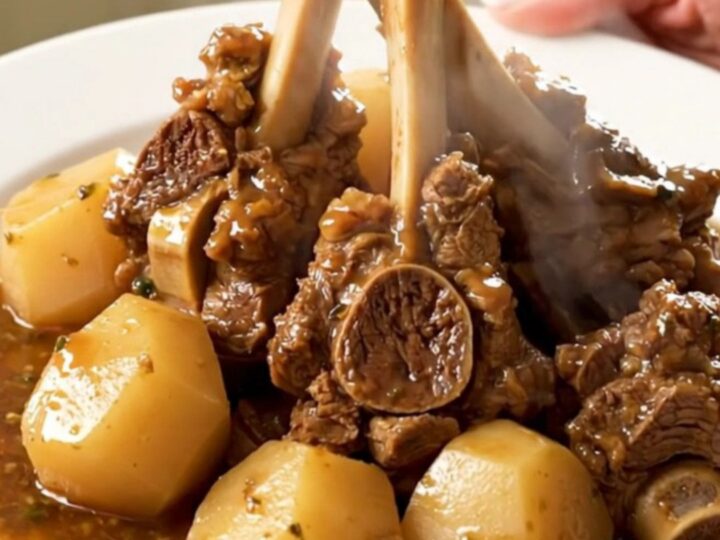
Slow Cooker Lamb Navarin with Glazed Turnips
- Prep
- Cook
- Total
- Serves
- 4
Discover the ultimate set-and-forget dinner that brings French bistro quality to your kitchen. By combining tender lamb shoulder with earthy turnips and a delicate honey glaze, this slow cooker navarin offers deep, savory satisfaction without the need for constant supervision.
It is an ideal solution for busy days when a hearty, comforting meal is needed at the end of the day. Simply layer, season, and let the slow cooker work its magic to create a meal that looks and tastes like a special occasion.
Lamb navarin is a traditional French stew that relies on slow, gentle cooking to transform humble ingredients into a luxurious meal. This version streamlines the process by using a slow cooker, allowing the lamb to become exceptionally tender while the turnips absorb the savory veal-based sauce and the subtle sweetness of the honey.
The result is a glossy, aromatic dish that feels elegant yet rustic, perfect for anyone who appreciates the depth of flavor that comes from long-simmered stews. This recipe focuses on technique to ensure the best possible texture and flavor balance every single time.
Ingredients
Stew Ingredients
- 2 lb lamb stew meat, cut into 1-inch cubes
- 4 turnips, peeled and cut into wedges
- 1 yellow onion, thinly sliced
- 2 tbsp dry veal stock powder
- 1 cup honeyed water
Why this recipe works
The slow cooker environment is ideal for braising tougher cuts of meat like lamb shoulder. By maintaining a constant, low temperature over several hours, the connective tissues in the lamb break down slowly, resulting in meat that becomes fork-tender and succulent. This method also encourages the vegetables to cook in the flavorful juices, ensuring they remain moist rather than drying out, which can happen with high-heat cooking methods.
Layering the ingredients serves a specific purpose in this recipe. Placing the lamb at the bottom ensures it stays in the hottest part of the vessel, which is necessary for proper rendering and softening.
Adding the harder vegetables like turnips on top allows them to steam in the fragrant vapors of the stock and honey. This systematic approach ensures that every component reaches the perfect level of doneness simultaneously without any part of the dish becoming overcooked or mushy.
Notes and substitutions
For the best results, look for lamb shoulder or leg meat intended for stewing. These cuts contain enough fat and connective tissue to handle the long cooking time, providing a rich mouthfeel. If you cannot find pre-cut stew meat, purchase a roast and cut it into uniform 1-inch cubes. The quality of the veal stock powder is important as it provides the primary savory backbone for the sauce; ensure you are using a high-quality product for the best flavor profile.
While yellow onions are traditional, you can also use pearl onions for a more refined presentation. If the sauce seems too thin at the end of the cooking time, you can remove the lid for the final 30 minutes of cooking to allow some of the liquid to evaporate and concentrate.
Equipment-wise, any standard 4-to-6 quart oval or round slow cooker will work perfectly for this volume of ingredients. Ensure your slow cooker lid fits tightly to trap the moisture inside.
- Veal stock powder: Beef bouillon powder or granules
- Turnips: Parsnips or rutabaga cut into similar sized wedges
Equipment
- Slow cooker
- Chef knife
- Cutting board
- Measuring cup
- Vegetable peeler
Up next · Part 2 of 3
3 steps · 6 h of cooking · what to look for at each stage
Step-by-step instructions (Part 2)