Dinner · Part 3 of 3: Tips & recipe card
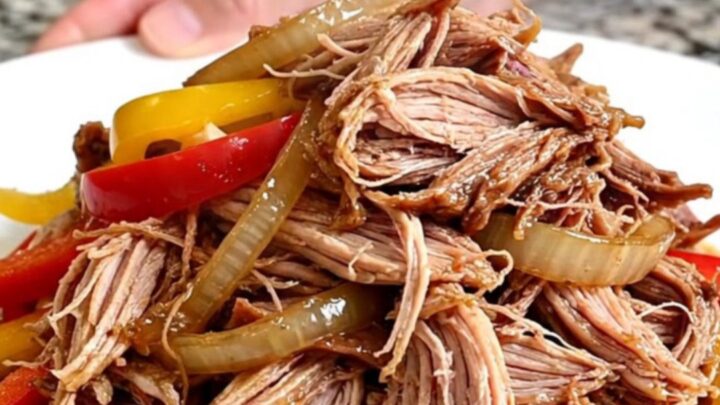
Slow Cooker Jerk Pulled Pork with Peppers Tips, FAQ & printable recipe
- Prep
- Cook
- Total
- Serves
- 8
Tips for success
For a deeper flavor profile, you can sear the pork chunks in a hot skillet before adding them to the slow cooker, though this is optional.
This adds a caramelized crust that enhances the overall taste. If you choose to sear, make sure to deglaze the pan with a splash of pineapple juice to capture all the flavorful browned bits.
If you find the sauce is too thin after shredding the pork, you can remove the lid for the final 30 minutes of cooking or transfer the liquid to a saucepan to reduce it over medium-high heat. This will concentrate the flavors of the jerk seasoning and pineapple juice, creating a thicker, more intense sauce to coat the meat.
Variations
- Spicy Jerk Pork: Add a finely minced habanero or scotch bonnet pepper to the slow cooker before starting. This significantly increases the heat level and adds a fresh, fruity chili flavor that pairs perfectly with the pineapple.
- Citrus Infused Pork: Replace the pineapple juice with a mixture of equal parts orange juice and lime juice. The added acidity from the lime provides a brighter, more citrus-forward finish that cuts through the richness of the pork.
Storage and make-ahead
- Fridge
- Store in an airtight container for up to 3 days.
- Freezer
- Store in a freezer-safe container for up to 3 months.
- Reheat
- Reheat in a saucepan over medium heat with a splash of water or juice until warmed through.
Store any leftovers in an airtight container in the refrigerator for up to 3 days. Ensure the pork is cooled to room temperature within 2 hours of cooking before placing it in the fridge.
For longer storage, the pulled pork can be kept in the freezer for up to 3 months, provided it is stored in a freezer-safe bag or container.
This dish is an excellent candidate for making ahead, as the flavors often improve after sitting in the refrigerator overnight.
You can prepare the entire recipe, let it cool completely, and then portion it out for quick future meals. Simply reheat as directed when you are ready to serve, adding a splash of liquid if it appears dry.
Serving ideas
Serve this jerk pulled pork on toasted buns with a side of coleslaw for a classic sandwich experience. The crunch of the slaw provides a wonderful textural contrast to the tender, spiced meat. Alternatively, serve it over a bed of fluffy coconut rice or with a side of black beans to round out a hearty Caribbean-style meal.
For a lighter serving option, pile the pulled pork into lettuce wraps and top with fresh pineapple salsa or sliced avocado.
This keeps the meal fresh and vibrant while still showcasing the bold flavors of the jerk seasoning. Garnish with fresh cilantro or lime wedges to brighten the dish and add a pop of color to your plate.
Frequently asked questions
Can this be made in a pressure cooker?
Is it necessary to sear the pork first?
What if the sauce is too watery?
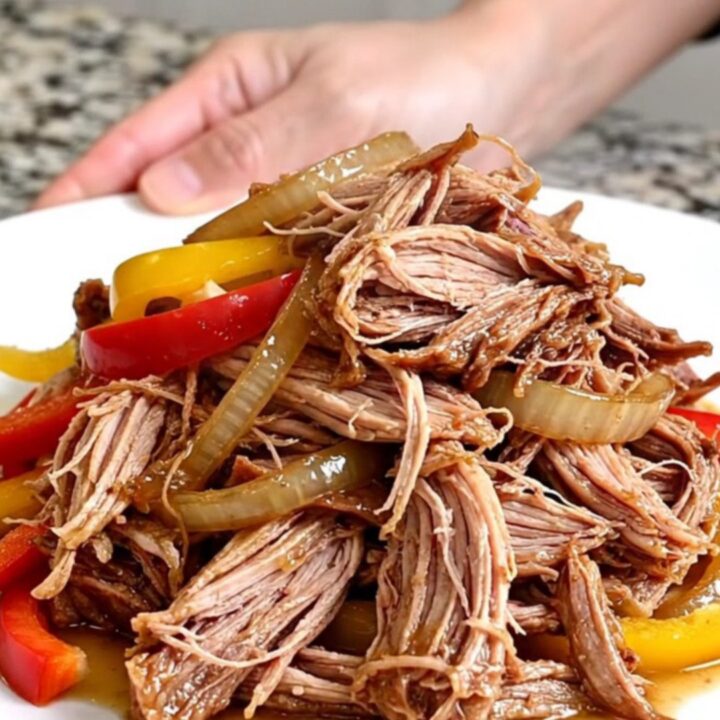
Slow Cooker Jerk Pulled Pork with Peppers
Ingredients
- 4 lb boneless pork shoulder, cut into large chunks
- 2 bell peppers, sliced
- 1 onion, sliced
- 3 tbsp jerk seasoning
- 1 cup pineapple juice
Instructions
- Place the large chunks of pork shoulder into the base of the slow cooker. Layer the sliced bell peppers and onions evenly over the top of the pork.
- Sprinkle the jerk seasoning over the peppers and onions. Pour the pineapple juice over the entire mixture. Cover the slow cooker and cook on low for 8 hours.
- Once cooked, remove the pork and shred it using two forks. Return the shredded meat to the slow cooker to toss with the juices, peppers, and onions. Ensure the pork reaches at least 145°F (63°C) and let it rest for 10 minutes before serving.
Estimated nutrition per serving
- Calories
- 450
- Protein
- 35 g
- Carbohydrates
- 15 g
- Fat
- 28 g
- Fiber
- 2 g
- Sugar
- 10 g
- Sodium
- 650 mg
Next recipe

Slow Cooker Cheesy Ham and Cauliflower Soup
See the recipe → →This recipe is based on a short cooking video and is published under the pen name Clara Weller. It was checked before publication, but errors can slip through. Nutrition, when shown, is an estimate. Read more in our editorial policy and on our food safety page.
More recipes to try

Slow Cooker Garlic Butter Turkey and Potatoes
Total time: 4 h 15 min
Easy One-Pan Oven Arroz con Pollo Bake
Total time: 1 h
Slow Cooker Orange Ground Turkey for Easy Weeknight Dinners
Total time: 3 h 5 min
Slow Cooker Dill Pickle Chicken Thighs and Potatoes
Total time: 4 h 15 min
Crockpot Peach Salsa Chicken Thighs for an Easy Weeknight Dinner
Total time: 4 h 10 min