Dinner · Part 1 of 3: Ingredients
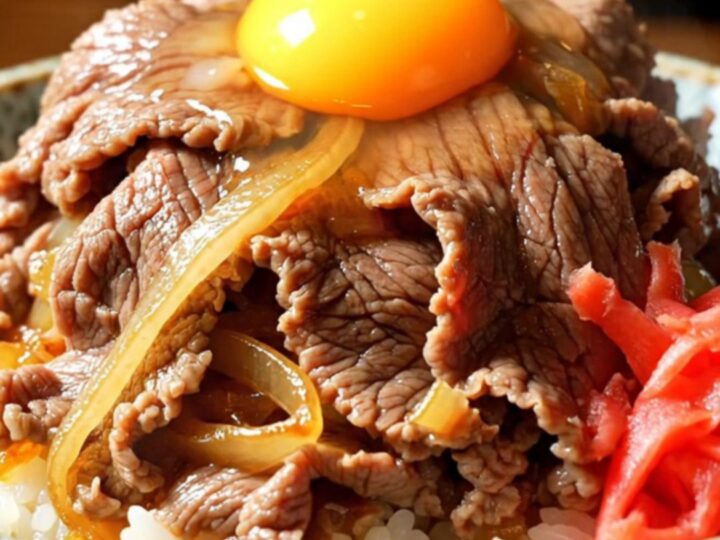
Slow-Cooker Japanese Gyudon Beef Rice Bowls
- Prep
- Cook
- Total
- Serves
- 6
Discover the secret to restaurant-quality Japanese comfort food right in your own kitchen. This slow-cooker Gyudon recipe delivers incredibly tender beef, sweet caramelized onions, and a deeply savory broth that is ready with minimal effort. It is the perfect solution for busy weeknights when you crave something warm, filling, and deeply satisfying without spending hours standing over a hot stove.
Gyudon, or Japanese beef bowl, is a beloved classic that relies on the harmony between sweet mirin, savory soy sauce, and umami-rich dashi. By utilizing a slow cooker, the flavors have ample time to meld, resulting in silky beef ribbons that practically melt in your mouth.
This dish is designed for simplicity, using a dump-and-go method that ensures the onions reach the perfect level of sweetness while the beef absorbs every drop of the aromatic cooking liquid.
Ingredients
Main
- 2.5 lb thinly shaved ribeye
- 3 yellow onions, thinly sliced
Sauce
- 250 ml dashi broth
- 80 ml mirin
- 80 ml soy sauce
- 1 tbsp grated fresh ginger
Serving
- Hot Japanese rice, for serving
- 6 egg yolks, for serving
- Pickled ginger, for serving
Why this recipe works
The slow-cooking process is essential for transforming the texture of the shaved ribeye. Because the meat is sliced so thin, the gentle, prolonged heat allows the connective tissues to break down efficiently, ensuring the beef remains tender rather than tough.
The low temperature prevents the sauce from reducing too quickly, which keeps the meat moist and flavorful throughout the entire cooking duration.
Furthermore, the layering technique ensures that the onions, which take longer to cook than the beef, are exposed to the maximum amount of heat and liquid at the base of the vessel.
As they cook, they release their natural sugars into the dashi-mirin broth, creating a complex, balanced sauce that coats the beef perfectly. This methodical approach is the hallmark of traditional Japanese home cooking techniques.
Notes and substitutions
For the best results, use high-quality marbled ribeye, as the fat content contributes significantly to the silky texture of the final dish. If you cannot find pre-shaved meat, freeze your ribeye for 30 minutes to make it easier to slice thinly with a sharp knife.
The quality of your dashi broth also matters; using a traditional kombu and bonito dashi will provide the most authentic depth of flavor compared to instant versions.
Regarding equipment, any standard slow cooker will work, but a ceramic insert is preferred for even heat distribution. If you find the sauce is too thin after cooking, you can remove the beef and onions and simmer the liquid on the stovetop for a few minutes to thicken it. Always ensure your ginger is finely grated to avoid large, fibrous pieces in the final savory sauce.
- Dashi broth: Beef or vegetable stock mixed with a teaspoon of soy sauce for depth
- Mirin: A mixture of rice vinegar and a pinch of sugar
Equipment
- Slow cooker
- Chef knife
- Cutting board
- Measuring cups
- Grater
Up next · Part 2 of 3
3 steps · 4 h of cooking · what to look for at each stage
Step-by-step instructions (Part 2)