Dinner · Part 2 of 3: Instructions
Slow-Cooker Jamaican Brown Stew Oxtail with Butter Beans Step-by-step instructions
- Prep
- Cook
- Total
- Serves
- 6
Before you start
Before beginning, ensure your oxtails are thoroughly patted dry with paper towels to facilitate a better sear. Have all your aromatics—scallions, garlic, thyme, and pimento—prepped and ready.
If using a standard slow cooker, ensure the ceramic insert is clean and dry. Keep a heavy-bottomed skillet nearby for the initial browning process, which is the most important step for achieving that signature deep, mahogany color and intense, savory flavor profile.
Ingredients at a glance (10)
- 3 lb oxtails
- 2 tbsp Jamaican browning sauce
- 3 stalks scallions, for serving
- 4 sprigs thyme sprigs, for serving
- 1 tsp pimento berries, for serving
- 3 cloves garlic, for serving
- 2 tbsp ketchup, for serving
- 2 cups beef stock, for serving
- 1 Scotch bonnet pepper
- 2 cans large lima butter beans
Instructions
Searing the Oxtails
- Sear and PrepareBrown the oxtails in a hot skillet until deeply caramelized on all sides. Transfer the browned meat into the ceramic slow cooker insert, ensuring even distribution for optimal cooking.Look for The oxtails should have a dark brown, crusty exterior before moving to the slow cooker.Tip Do not crowd the pan; sear in batches to get a true, deep-brown color.
The oxtails should be evenly browned on all sides, showcasing a dark, caramelized crust. This initial searing step is crucial for creating the base flavor of the entire stew.
Once the meat is browned, ensure it is moved to the slow cooker without overcrowding, providing enough space for the liquid to circulate effectively during the long, slow braise that follows in the next phase.
Slow Braising with Aromatics
- Layer AromaticsAdd the Jamaican browning sauce, fresh scallions, thyme sprigs, pimento berries, garlic, and ketchup to the slow cooker. Pour in the beef stock and place the whole Scotch bonnet pepper on top, ensuring it remains intact to release flavor without excessive heat.Look for Ensure the liquid covers the meat partially, providing enough moisture for the long braise.Tip Keep the Scotch bonnet whole; if it breaks, the stew will become significantly spicier.
The kitchen should be filled with the intoxicating aroma of thyme, pimento, and allspice. At this stage, the slow cooker is doing the work, breaking down the collagen in the meat. The liquid should be bubbling gently, and the aromatics should be softening into the beef stock. Check that the Scotch bonnet pepper remains whole to avoid an unintended level of heat in the final sauce.
Final Glaze and Texture
- Slow Cook and FinishSet the slow cooker to LOW and braise for eight hours. During the final hour of cooking, stir in the two cans of large lima butter beans. Cook until the meat reaches 145°F (63°C), then allow it to rest for at least 10 minutes before serving with rice and peas.Look for The gravy should be thick and glossy, and the meat should pull away easily from the bone.Safe temperature 145°F (63°C) internal temperature (steaks, chops and roasts)Tip If the gravy is too thin, stir in a small amount of cornstarch slurry during the last 30 minutes.
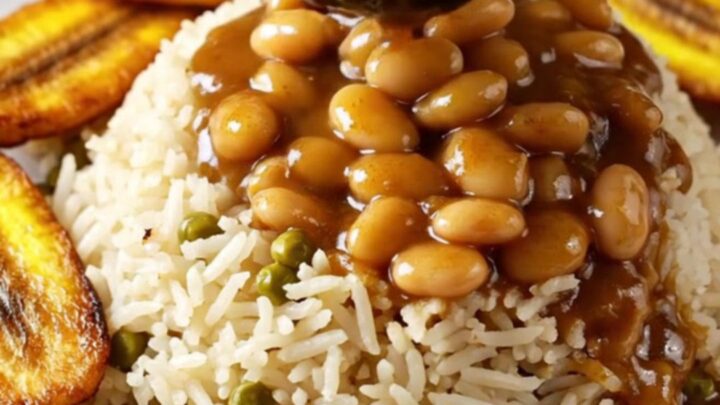
The stew is ready when the meat is fork-tender and the gravy has reached a rich, mahogany color and a thick, velvety consistency. The butter beans should be tender and creamy, having absorbed the flavors of the stew during the final hour. Ensure the meat has reached the safe temperature of 145°F (63°C) and allow it to rest for 10 minutes before serving.
Common mistakes
A common mistake is skipping the browning process, which is necessary for developing the deep flavor and color of the gravy. Another error is overcooking the butter beans by adding them too early; they should only be folded in during the last hour to maintain their texture.
Finally, avoid breaking the Scotch bonnet pepper during the cooking process, as this will release excessive heat that may overpower the other subtle, aromatic flavors.
How to tell it’s done
The oxtail is perfectly done when the meat is exceptionally tender and pulls away from the bone with minimal effort. Use an instant-read thermometer to ensure the thickest parts of the meat reach an internal temperature of at least 145°F (63°C).
The gravy should be reduced to a glossy, thick consistency that coats the back of a spoon, and the butter beans should be heated through but still maintain their shape.
- Steaks, chops and roasts: 145°F (63°C) in the thickest part, then a 3-minute rest
Up next · Part 3 of 3
2 variations · storage & make-ahead · 3 answers · printable card
Tips, FAQ & printable recipe (Part 3)← Back to the ingredients (Part 1)