Dinner · Part 1 of 3: Ingredients
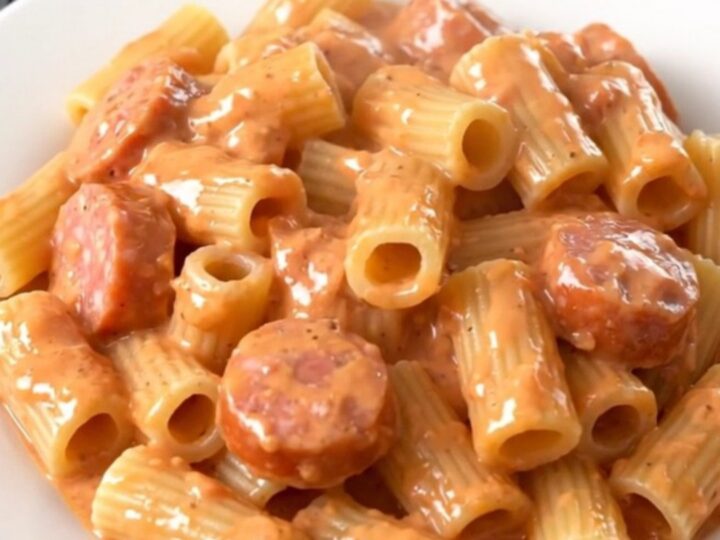
Easy Slow Cooker Italian Sausage and Rigatoni with Pink Sauce
- Prep
- Cook
- Total
- Serves
- 4
Transform your weeknight dinner routine with this incredibly simple slow cooker Italian sausage and rigatoni. By utilizing the gentle, consistent heat of a slow cooker, you can achieve perfectly cooked pasta and savory, tender sausage without hovering over the stove.
This method creates a rich, cohesive sauce that clings to every piece of rigatoni, making it an ideal solution for busy families or anyone looking to enjoy a comforting, restaurant-style pasta dish with minimal effort and cleanup.
This recipe is designed for those who appreciate the efficiency of modern appliances. The combination of classic Italian flavors—hearty sausage, robust marinara, and zesty Italian seasoning—creates a dish that feels elevated yet remains approachable.
By layering the ingredients directly into the slow cooker, you allow the flavors to meld beautifully over several hours. Whether you are prepping for a quiet evening at home or hosting a casual dinner, this one-pot wonder delivers consistent, satisfying results every single time.
Ingredients
Main Ingredients
- 1 lb Italian sausage, sliced into coins
- 16 oz uncooked rigatoni pasta
- 1 packet Italian dressing mix
- 24 oz marinara sauce
Why this recipe works
The slow cooker method provides a hands-off approach that allows the flavors of the Italian sausage and the aromatic dressing mix to infuse into the pasta as it cooks. This slow braising process breaks down the sausage fat, which then emulsifies with the marinara sauce to create a naturally creamy and luxurious texture. The pasta absorbs the seasoned liquid, ensuring that every bite is packed with savory, herbaceous flavor.
Additionally, the structure of this recipe minimizes active preparation time and simplifies dishwashing. Because the pasta cooks directly in the sauce within the slow cooker, there is no need for a separate boiling pot, which preserves starch that helps thicken the sauce naturally.
This technique results in a perfectly textured dish where the pasta remains firm yet tender, and the sauce achieves a glossy, restaurant-quality consistency that is difficult to replicate with traditional stovetop methods.
Notes and substitutions
When selecting your sausage, choose high-quality fresh links that are well-seasoned with fennel, garlic, and red pepper flakes. The quality of your marinara sauce will significantly impact the final flavor profile, so select a variety that you enjoy.
If you prefer extra heat, consider adding a pinch of crushed red pepper flakes to the seasoning layer, although the Italian dressing mix typically provides a balanced blend of herbs and spices that complements the sausage perfectly.
The choice of pasta is crucial for this recipe; rigatoni is ideal because its wide, tubular shape and ridges capture the thick sauce and bits of sausage effectively. If you must substitute, ensure you use a pasta variety with a similar thickness to maintain the correct cooking time. Ensure your slow cooker is a standard size that allows for even heat distribution, and avoid removing the lid frequently during the cooking process, as this releases essential steam and heat.
- Italian sausage: Ground turkey or mild Italian chicken sausage for a leaner alternative.
- Rigatoni: Penne or ziti are excellent alternatives that hold sauce well.
Equipment
- Slow cooker
- Knife
- Cutting board
Up next · Part 2 of 3
3 steps · 4 h of cooking · what to look for at each stage
Step-by-step instructions (Part 2)