Dinner · Part 2 of 3: Instructions
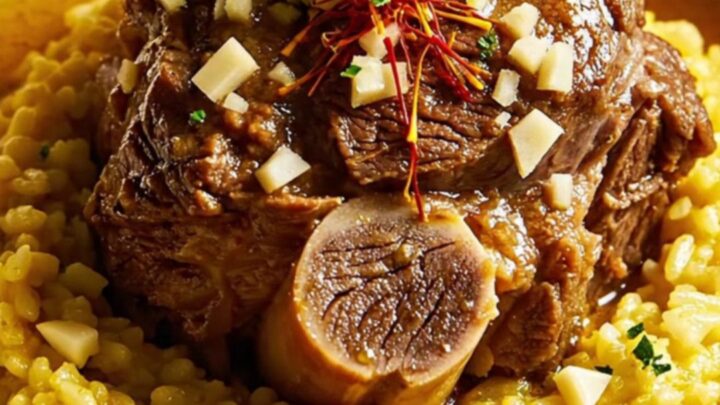
Slow-Cooker Italian Beef Osso Buco with Saffron Risotto Step-by-step instructions
- Prep
- Cook
- Total
- Serves
- 4
Before you start
Before beginning, ensure all vegetables are diced into uniform pieces to promote even cooking. Pat the beef shanks thoroughly dry with paper towels; moisture on the surface prevents a proper sear. Prepare your skillet and have your slow cooker ready on a flat, heat-resistant surface.
Measure out your wine and broth beforehand, and have your fresh parsley and lemon ready for the gremolata preparation. Organizing your station will make the process smooth and efficient from start to finish.
Ingredients at a glance (11)
- 3 lb cross-cut beef shanks
- 2 carrots, diced
- 2 stalks celery stalks, diced
- 1 onion, diced
- 4 cloves garlic cloves, minced
- 14 oz crushed tomatoes
- 1 cup dry white wine
- 2 cups beef bone broth
- 1 pinch saffron threads
- lemon-garlic-parsley gremolata, for serving
- creamy saffron risotto, for serving
Instructions
Searing for Flavor
- Sear the Beef ShanksPat the beef shanks dry with paper towels to ensure a good sear. Heat a large skillet over medium-high heat with a splash of oil. Sear the shanks until deeply browned on both sides, about 3 to 4 minutes per side. Transfer the seared shanks directly into the slow cooker basin. Ensure the meat reaches an internal temperature of 145°F (63°C) and let it rest for at least 3 minutes before serving.Look for The beef should develop a deep, dark brown crust on the exterior surfaces.Safe temperature 145°F (63°C) internal temperature (steaks, chops and roasts)Tip Do not crowd the skillet; sear in batches if necessary to maintain high heat.
The beef shanks should have a deep brown crust on both sides. The kitchen should smell savory and caramelized as the beef proteins interact with the heat of the skillet. Ensure the exterior is browned, but do not worry about cooking the meat through at this stage, as the slow cooker will handle the long-term braising process effectively.
Layering the Aromatics
- Layer the Aromatics and Braising LiquidAdd the diced carrots, celery, onion, and minced garlic into the slow cooker around the beef. Pour the crushed tomatoes, dry white wine, and beef bone broth over the ingredients. Ensure the shanks are nestled well within the liquids to facilitate even cooking during the long braise.Look for The liquid should partially submerge the beef shanks to keep them moist.Tip Deglaze the skillet used for searing with a little of the wine to capture browned bits.
The slow cooker basin should be filled with the vegetables and liquids, with the shanks nestled securely. The aromatics should be distributed evenly around the meat to ensure their flavors infuse the braising liquid as it heats.
The liquid levels should be sufficient to surround the shanks without completely submerging them, allowing for a proper braise.
Slow Cooking and Finishing
- Slow Cook and Finish with SaffronCover the slow cooker and set it to cook on LOW for 8 hours. Once the cooking time is complete and the meat is fork-tender, gently stir in the pinch of saffron threads. Allow the stew to rest for 10 minutes before serving over warm creamy risotto, topped with fresh gremolata.Look for The meat should be falling off the bone and the broth thickened into a rich, velvety sauce.Tip Carefully stir the saffron without breaking up the tender beef shanks.
The beef should be incredibly tender and soft to the touch. The broth should have transformed into a rich, velvety gravy, and the saffron should be fully incorporated, providing a golden hue and floral aroma. The dish is ready once the meat is easily pierced with a fork, indicating the connective tissues have successfully broken down.
Common mistakes
A common mistake is skipping the searing step, which loses the essential depth of flavor provided by browned meat. Overcrowding the skillet during the sear can also cause the beef to steam rather than brown.
Another error is using too little liquid, which can lead to dried-out meat or scorched sauce. Finally, avoid stirring the dish too vigorously during the final stages, as this can cause the tender meat to break apart and lose its beautiful presentation on the plate.
How to tell it’s done
The Osso Buco is perfectly done when the beef shanks are fork-tender and begin to pull away easily from the bone. The internal temperature of the beef should reach at least 145°F (63°C).
The connective tissues should be completely softened, and the sauce should have a glossy, thickened consistency. If the meat offers resistance when pierced with a fork, continue cooking for an additional 30 minutes, as individual slow cookers vary in their heat intensity and performance.
- Steaks, chops and roasts: 145°F (63°C) in the thickest part, then a 3-minute rest
Up next · Part 3 of 3
2 variations · storage & make-ahead · 3 answers · printable card
Tips, FAQ & printable recipe (Part 3)← Back to the ingredients (Part 1)