Dinner · Part 2 of 3: Instructions
Slow-Cooker Indonesian Beef Rendang for Tender Results Step-by-step instructions
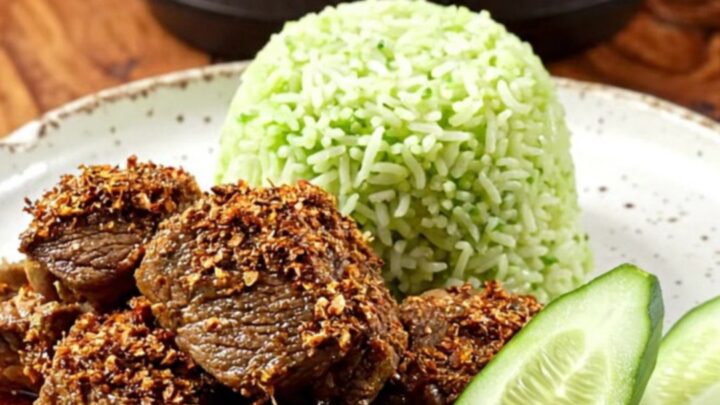
- Prep
- Cook
- Total
- Serves
- 6
Before you start
Before starting, ensure all your aromatics are prepared correctly. Bruising the lemongrass and smashing the galangal are vital steps to extract maximum flavor. Ensure the beef chuck is cut into uniform 1-inch cubes to promote even cooking throughout the five-hour process.
Have your slow cooker ready, and double-check that you have enough space for the ingredients, as the coconut cream will bubble up during the initial stages of the cook. If you are using pre-made rempah or kerisik, make sure they are at room temperature so the slow cooker can reach the necessary temperature quickly.
Ingredients at a glance (8)
- 3 lb beef chuck, cut into 1-inch cubes
- 2 cans coconut cream
- 2 stalks lemongrass, bruised
- 2 in piece galangal, smashed
- 1 piece turmeric leaf
- 4 leaves kaffir lime leaves
- 1/3 cup kerisik toasted coconut paste
- 1/3 cup chili-shallot rempah
Instructions
Preparation and layering
- Combine ingredientsPlace the cubed beef chuck into the slow cooker insert. Add the coconut cream, bruised lemongrass, galangal, turmeric leaf, kaffir lime leaves, kerisik toasted coconut paste, and the chili-shallot rempah. Stir everything thoroughly to ensure the beef is evenly coated in the spice mixture.Look for Ensure the beef is completely submerged in the coconut and spice mixture before starting the cooker.Tip Bruise the lemongrass with the back of a heavy knife to release the essential oils before adding it to the pot.
At this phase, your slow cooker should be filled with the beef and the aromatic spice mixture. Everything should be well combined, with the coconut cream creating a base for the beef to bathe in. It should smell intensely fragrant, with the citrusy notes of the lemongrass and lime leaves already beginning to permeate the kitchen space.
Slow simmering
- Slow cook the beefCover the slow cooker and set it to high. Allow the beef to cook for four hours undisturbed. During this time, the coconut cream will begin to reduce and the spices will deeply penetrate the meat fibers, creating the signature rendang flavor base.Look for The mixture should be simmering steadily and the beef should begin to soften significantly.Tip Avoid lifting the lid frequently, as this releases heat and moisture, slowing down the important reduction process.
During the four-hour simmer, the kitchen will fill with a rich, complex aroma. The beef will begin to soften as it braises in the coconut and spice liquid.
Check that the slow cooker is maintaining a steady simmer. You should hear a gentle bubbling sound, and the liquid should be gradually deepening in color as the spices begin to infuse.
Final reduction and glazing
- Final reduction and servingIn the final hour, leave the lid slightly ajar to allow excess moisture to evaporate. Continue cooking until the sauce is dark, thick, and caramelized, coating the beef completely. Ensure the meat reaches an internal temperature of at least 145°F (63°C). Let the beef rest for at least 3 minutes before serving alongside steamed pandan rice and fresh cucumber slices.Look for The sauce should look dry, dark brown, and oily, with the coconut oil having separated from the solids.Safe temperature 145°F (63°C) internal temperature (steaks, chops and roasts)Tip If the sauce is not thick enough by the end of the cooking time, continue cooking with the lid off for an extra 20 minutes.
In this final stage, the liquid will reduce significantly, turning into a dark, thick paste that clings to the beef. The smell will be deeply savory and caramelized. The beef should be incredibly tender. Once the sauce has achieved the desired consistency and the beef is cooked through, it is ready to be plated and served.
Common mistakes
A common mistake is failing to allow the sauce to reduce properly in the final hour, which results in a thin, watery stew rather than the traditional dry rendang. Another error is using a cut of meat that is too lean, which will result in chewy beef.
Finally, avoid rushing the cooking process; the five-hour duration is non-negotiable for achieving the correct texture and depth of flavor. Ensure the lid is only left ajar for the final hour to avoid losing too much moisture too early.
How to tell it’s done
The beef is perfectly done when it is fork-tender and pulls apart with minimal pressure. The sauce should be dark, thick, and have a rich, oily sheen, indicating that the coconut milk has fully caramelized.
Use a meat thermometer to ensure the beef has reached at least 145°F (63°C). Allow the dish to rest for at least 3 minutes before serving, which helps the juices settle and ensures the flavors are perfectly distributed.
- Steaks, chops and roasts: 145°F (63°C) in the thickest part, then a 3-minute rest
Up next · Part 3 of 3
2 variations · storage & make-ahead · 3 answers · printable card
Tips, FAQ & printable recipe (Part 3)← Back to the ingredients (Part 1)