Dinner · Part 3 of 3: Tips & recipe card
Slow Cooker Honey Turnip and Carrot Soup Tips, FAQ & printable recipe

- Prep
- Cook
- Total
- Serves
- 4
Tips for success
For a deeper flavor profile, consider sautéing the onions in a little butter or olive oil before placing them into the slow cooker.
This extra step caramelizes the natural sugars in the onion, adding a layer of depth that contrasts beautifully with the sweetness of the honey and the earthiness of the root vegetables.
If you prefer a more robust soup, you can experiment with adding fresh herbs like thyme or rosemary during the slow cooking phase.
Simply tie the herb sprigs together with kitchen twine and remove them before you begin the blending process. This adds an aromatic complexity that complements the root vegetables exceptionally well.
Variations
- Spiced Root Soup: Add a teaspoon of ground ginger or cinnamon during the cooking process to enhance the natural sweetness of the carrots and turnips with a warm, spiced aroma.
- Herb-Infused Version: Add two sprigs of fresh thyme or rosemary to the slow cooker along with the vegetables. Remove the woody stems after cooking and before blending the soup.
Storage and make-ahead
- Fridge
- Store in an airtight container for up to 4 days.
- Freezer
- Freeze in a freezer-safe container for up to 3 months; thaw overnight in the refrigerator before reheating.
- Reheat
- Reheat gently on the stovetop over low heat, stirring occasionally, until hot throughout.
Allow the soup to cool completely to room temperature, but never leave it out for more than two hours. Once cool, transfer the soup to an airtight container. It will keep well in the refrigerator for up to four days, making it an excellent option for meal prepping ahead of a busy work week.
This soup is actually a great candidate for making ahead, as the flavors often meld and improve after resting in the refrigerator overnight. You can prepare the entire batch, let it cool, and store it for up to four days. Simply reheat it gently on the stove when you are ready to serve.
Serving ideas
Serve this soup hot in wide, shallow bowls to best showcase the swirl of cream. Because the base is smooth and velvety, it pairs beautifully with crunchy accompaniments.
Consider serving it with a slice of crusty sourdough bread or homemade croutons to add a textural contrast to each spoonful.
If serving as part of a larger meal, this soup works well as a light starter. Its natural sweetness and creamy finish make it a versatile companion to savory main courses like roast chicken or grilled fish.
The addition of fresh herbs or a drizzle of high-quality olive oil can also elevate the presentation.
Frequently asked questions
Can this soup be made without a slow cooker?
What is the best way to get a perfectly smooth consistency?
Can the cream be omitted?
Slow Cooker Honey Turnip and Carrot Soup

Ingredients
- 1 lb turnips, peeled and chopped
- 1 lb carrots, peeled and sliced
- 1 medium yellow onion, sliced
- 1 cube vegetable bouillon
- 4 cups water
- 2 tbsp honey
- Heavy cream, for serving
- Freshly cracked black pepper, to taste
Instructions
- Place the chopped turnips, sliced carrots, and sliced onions into the base of the slow cooker. Crumble the vegetable bouillon cube over the vegetables to ensure even distribution during the cooking process.
- Whisk the honey into the water in a measuring cup until fully dissolved. Pour the honey-water mixture over the vegetables in the slow cooker. Cover and cook on low for 4 to 6 hours or until the vegetables are fork-tender.
- Once the vegetables are cooked through, use an immersion blender to process the soup directly in the slow cooker until it reaches a silky, smooth consistency. Ladle the soup into bowls and garnish with a swirl of heavy cream and a sprinkle of black pepper before serving hot.
Estimated nutrition per serving
- Calories
- 180
- Protein
- 3 g
- Carbohydrates
- 32 g
- Fat
- 5 g
- Fiber
- 6 g
- Sugar
- 18 g
- Sodium
- 450 mg
Next recipe
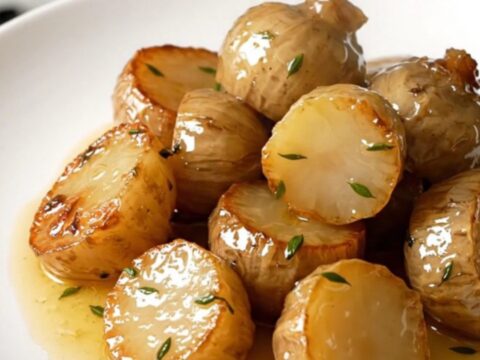
Slow Cooker Honey and Thyme Caramelized Turnips
See the recipe → →This recipe is based on a short cooking video and is published under the pen name Clara Weller. It was checked before publication, but errors can slip through. Nutrition, when shown, is an estimate. Read more in our editorial policy and on our food safety page.
More recipes to try

Slow Cooker Creamy Sorrel Salmon
Total time: 2 h 10 min
Slow Cooker Morteau Sausage with Braised Red Cabbage
Total time: 4 h 15 min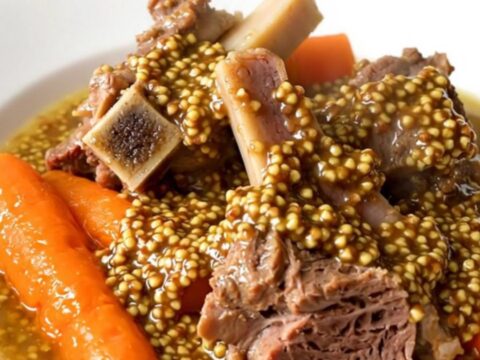
Slow Cooker Lamb Stew with Wholegrain Mustard
Total time: 6 h 15 min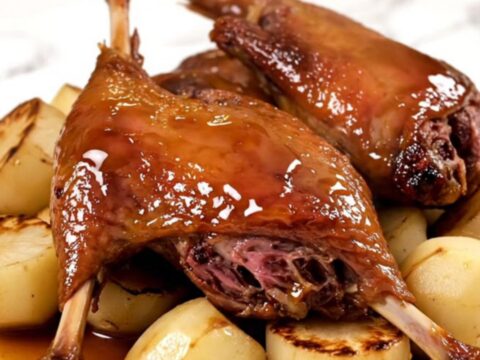
Slow Cooker Duck Legs with Caramelized Turnips
Total time: 6 h 15 min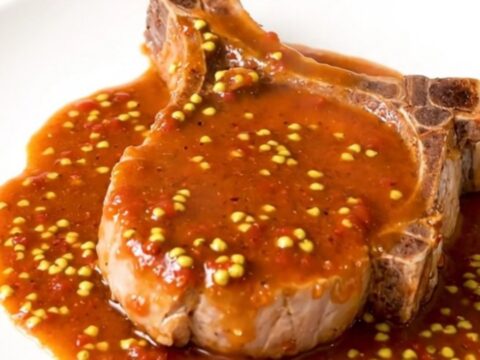
Slow Cooker Pork Chops Charcutière for an Easy Weeknight Dinner
Total time: 4 h 15 min