Dinner · Part 1 of 3: Ingredients
Slow Cooker Honey Mustard Spareribs for Easy Weeknight Dinners
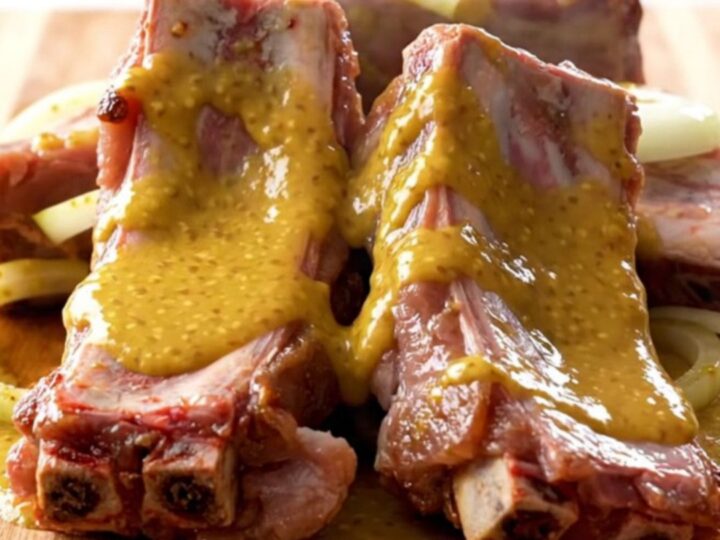
- Prep
- Cook
- Total
- Serves
- 4
Master the art of hands-off cooking with these tender, slow-braised honey mustard spareribs. This recipe simplifies a classic comfort dish, requiring only a few pantry staples and a slow cooker to achieve deep, savory flavors that the whole family will love. Perfect for busy days, this method ensures succulent, flavorful meat every single time without the need for constant monitoring or complex techniques.
When searching for a satisfying meal that requires minimal active preparation, slow cooker recipes are the ideal solution. These honey mustard spareribs rely on the low and slow cooking environment of the crockpot to transform tough cuts of pork into tender, melt-in-your-mouth bites.
The combination of sweet honey and tangy mustard creates a sophisticated glaze that balances the richness of the pork, while the onions provide a subtle sweetness that permeates the entire dish. Whether you are planning a relaxed weekend dinner or a simple midweek meal, this recipe offers a reliable way to serve a hearty, flavorful main course with very little cleanup afterward.
Ingredients
Main Ingredients
- 3 lb pork spareribs, cut into sections
- 1 yellow onion, sliced into half-moons
- 1 tsp garlic powder
Sauce
- 1 cup honey mustard sauce
Why this recipe works
The slow cooker method works by maintaining a steady, low temperature that gradually breaks down the connective tissues in the spareribs. This process is essential for achieving the signature tenderness associated with high-quality slow-braised meats.
By cooking the ribs in their own juices along with the honey mustard sauce, the flavors are concentrated and locked into the meat, resulting in a depth of taste that would be difficult to replicate with faster cooking methods.
Furthermore, the layering technique used in this recipe ensures that every piece of meat is adequately seasoned and coated. Placing the onions on top of the ribs allows their natural moisture to combine with the honey mustard sauce, creating a self-basting environment.
This prevents the pork from drying out and ensures that the glaze remains thick and glossy throughout the long cooking process, providing a perfect balance of savory and sweet in every single bite.
Notes and substitutions
For the best results, use bone-in pork spareribs with a good balance of meat and fat. The bone adds significant flavor and helps keep the meat moist during the extended cooking time. If you prefer a thinner or more intense sauce, you can remove the ribs once cooked and whisk the remaining liquid in the slow cooker over medium heat on the stovetop until it reaches your desired consistency before pouring it back over the meat.
When it comes to equipment, a standard oval slow cooker with a capacity of at least 5 to 6 quarts is recommended for 3 pounds of ribs. Ensure that your slow cooker insert is clean and that the lid fits tightly to trap all the moisture inside.
If you find yourself without honey mustard sauce, you can create a simple substitute by blending equal parts of high-quality honey and your favorite yellow or Dijon mustard until smooth.
- honey mustard sauce: a mixture of 1/2 cup honey and 1/2 cup yellow or Dijon mustard
- pork spareribs: pork baby back ribs, adjusting cooking time slightly as they are leaner
Equipment
- Slow cooker
- Chef's knife
- Cutting board
- Measuring cups
- Measuring spoons
Up next · Part 2 of 3
3 steps · 8 h of cooking · what to look for at each stage
Step-by-step instructions (Part 2)