Dinner · Part 1 of 3: Ingredients
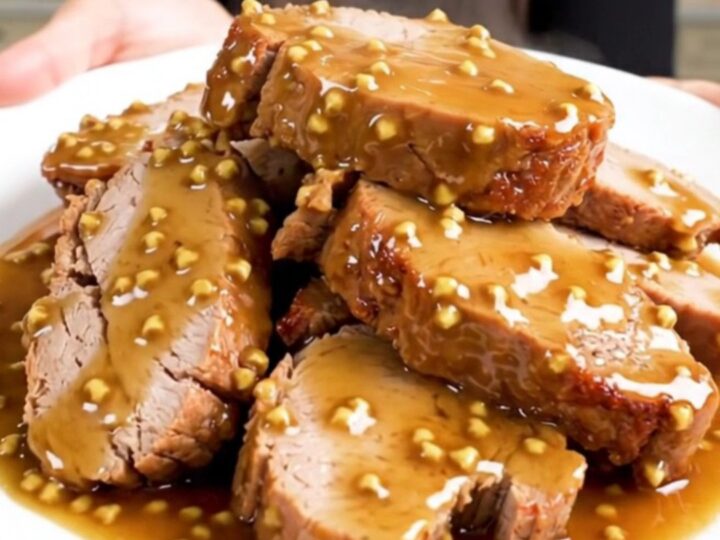
Slow Cooker Honey Mustard Pork Tenderloin for Easy Dinners
- Prep
- Cook
- Total
- Serves
- 4
Master the art of hands-off cooking with this simple honey mustard pork tenderloin. By using a slow cooker, the meat transforms into a succulent, flavorful dish that requires almost no active effort. This recipe is the perfect solution for those busy evenings when you want a high-quality meal without spending hours in the kitchen.
The gentle heat of the slow cooker ensures the pork stays tender, while the honey and mustard glaze caramelizes slightly to provide a deep, complex flavor profile that satisfies everyone at the table.
This slow-cooked pork tenderloin recipe is designed for maximum flavor and minimal cleanup. By combining pork with a balanced mixture of whole grain mustard, aromatic garlic powder, and a sweet honey broth, you create a delicious, restaurant-quality glaze that develops as the meat cooks. This dish is incredibly versatile, working perfectly as a centerpiece for family dinners or as a reliable option for meal prepping throughout the week.
The slow cooking process allows the flavors to penetrate the meat, resulting in a juicy, tender texture that is difficult to achieve with faster cooking methods. Whether you are hosting a small dinner or just looking for a dependable weekday meal, this recipe provides consistent results that are sure to impress.
Ingredients
Main
- 1 lb pork tenderloin
Sauce
- 2 tbsp whole grain mustard
- 1 tsp garlic powder
- 1/2 cup honey broth mixture
Why this recipe works
The slow cooking method works by applying gentle, consistent heat to the pork tenderloin, which helps break down connective tissues and keeps the lean meat moist. Because the pork is cooked in a controlled environment with added liquid, it remains tender rather than drying out, which is a common issue when roasting or grilling this specific cut of meat.
The honey and mustard glaze benefits from this slow process as the sugars in the honey and the acidity of the mustard meld together, creating a rich sauce that coats the meat perfectly by the time it is ready to serve.
Furthermore, the liquid base of honey and broth creates a self-basting environment inside the slow cooker. As the steam circulates, it keeps the pork hydrated and infuses it with flavor from the aromatics. This technique removes the need for frequent monitoring or turning, making it an ideal method for busy schedules.
The residual sauce left in the slow cooker after the pork is removed can be reduced further if desired, providing a concentrated flavor boost to the final dish. This approach ensures that every bite of the tenderloin is flavorful and moist without any extra work.
Notes and substitutions
When selecting a pork tenderloin, look for one that is uniform in thickness to ensure it cooks evenly throughout. If the tenderloin has a thick layer of fat or silver skin, trim it off before adding it to the slow cooker to improve the texture of the final dish. Whole grain mustard is recommended for its texture and depth of flavor, but you can swap it for Dijon mustard if you prefer a smoother sauce. Always ensure your garlic powder is fresh to get the best aromatic result, as old spices can lose their potency quickly.
For the honey broth, you can use either chicken or vegetable stock as a base. The quality of your broth will influence the final taste, so choose a low-sodium version if you want to control the salt content more precisely. If you find that the sauce is too thin at the end of the cooking time, you can remove the pork and set the slow cooker to a high heat setting with the lid off to reduce the liquid slightly. This small step can significantly intensify the flavor of the glaze before you slice and serve the meat.
- whole grain mustard: Dijon mustard for a smoother sauce texture
- honey broth: a mixture of honey and chicken stock
Equipment
- Slow cooker
- Glass measuring cup
- Spoon
- Kitchen knife
- Serving plate
Up next · Part 2 of 3
3 steps · 4 h of cooking · what to look for at each stage
Step-by-step instructions (Part 2)