Dinner · Part 3 of 3: Tips & recipe card
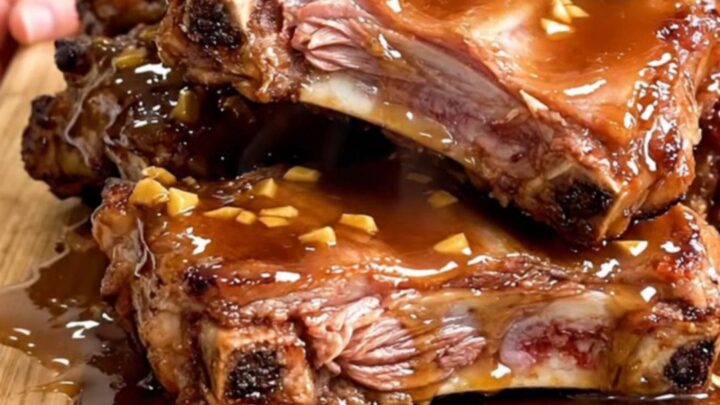
Slow Cooker Honey Garlic Spareribs Tips, FAQ & printable recipe
- Prep
- Cook
- Total
- Serves
- 4
Tips for success
For a deeper flavor, you can let the ribs marinate in the soy sauce and garlic for an hour before adding the honey and sugar. This allows the savory notes to penetrate deeper into the meat fibers before the sweet glaze begins to form.
If you prefer a bit of heat, consider adding a pinch of red pepper flakes to the sauce mixture before starting the slow cooker.
If you find the sauce is still too thin at the end of the cooking time, you can carefully remove the ribs and turn the slow cooker to high for 15-20 minutes with the lid off to allow the sauce to reduce further. This will intensify the flavor and create a much stickier consistency, which is often preferred for serving ribs as a finger food.
Variations
- Spicy Honey Garlic: Add two tablespoons of chili garlic sauce or sriracha to the base mixture for a spicy kick that complements the sweetness of the honey.
- Ginger Infused: Incorporate one tablespoon of freshly grated ginger into the sauce to add a warm, zesty aromatic element that pairs beautifully with the garlic and soy.
Storage and make-ahead
- Fridge
- Keep in an airtight container for up to 3 days.
- Freezer
- Freeze for up to 2 months in a freezer-safe container.
- Reheat
- Reheat gently in the oven or microwave until hot throughout.
Store any leftovers in an airtight container in the refrigerator for up to 3 days. Ensure the ribs have cooled to room temperature, but do not leave them out for more than 2 hours before refrigerating.
The sauce will solidify slightly in the cold, which is normal. When storing, keep the meat submerged in the sauce to prevent it from drying out during storage.
This dish is excellent for making ahead as the flavors continue to meld and deepen in the refrigerator.
You can assemble the ingredients in the slow cooker insert the night before and keep it in the refrigerator, then simply place it into the base and turn it on in the morning. This saves significant time and ensures a delicious dinner is ready when you return home.
Serving ideas
Serve these ribs warm, ideally with a side of steamed rice or a fresh green salad to balance the sweetness of the honey garlic glaze. The sticky sauce is best enjoyed when the ribs are served fresh from the slow cooker, allowing the glaze to be as glossy and thick as possible. Provide extra napkins, as these ribs are meant to be enjoyed by hand.
For a more complete meal, consider serving alongside roasted vegetables or a crisp coleslaw. The contrast between the rich, sweet, and salty ribs and something fresh or acidic works very well.
Ensure the ribs are served promptly after their short rest to maintain the ideal temperature and texture, ensuring the most enjoyable dining experience for your guests or family.
Frequently asked questions
Can this be made with baby back ribs?
Why is it important not to lift the lid?
Can this be frozen for later?
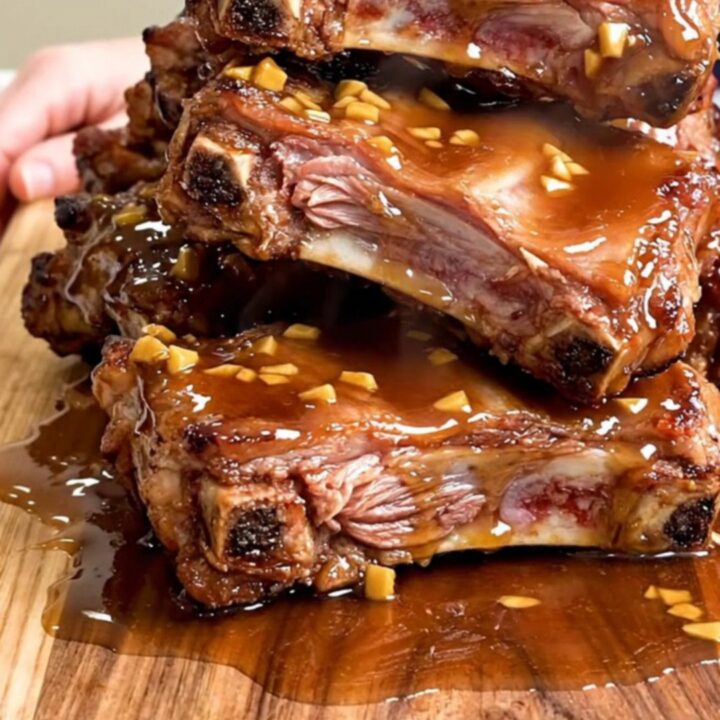
Slow Cooker Honey Garlic Spareribs
Ingredients
- 3 lb pork spareribs, cut into sections
- 4 cloves garlic, minced
- 1/2 cup brown sugar
- 1/2 cup honey
- 1/2 cup soy sauce
Instructions
- Place the pork sparerib sections into the slow cooker, arranging them around the walls of the crock to ensure even cooking. Add the minced garlic, brown sugar, honey, and soy sauce directly over the ribs.
- Cover the slow cooker with its lid and set to low heat. Cook for 8 hours until the meat is tender and easily pulling away from the bones.
- Verify the internal temperature of the ribs reaches 145°F (63°C) before removing them from the slow cooker. Let the meat rest for 5 minutes before serving to ensure the juices redistribute.
Estimated nutrition per serving
- Calories
- 450
- Protein
- 25 g
- Carbohydrates
- 35 g
- Fat
- 22 g
- Fiber
- 0.5 g
- Sugar
- 30 g
- Sodium
- 850 mg
Next recipe

Creamy Crockpot Million Dollar Meatballs
See the recipe → →This recipe is based on a short cooking video and is published under the pen name Clara Weller. It was checked before publication, but errors can slip through. Nutrition, when shown, is an estimate. Read more in our editorial policy and on our food safety page.
More recipes to try

Slow Cooker Grandma's Ham and Bean Soup
Total time: 8 h 15 min
Crockpot Creamy Sage Turkey Tenderloin
Total time: 4 h 15 min
Creamy Chicken Cordon Bleu Potato Tot Bake
Total time: 55 min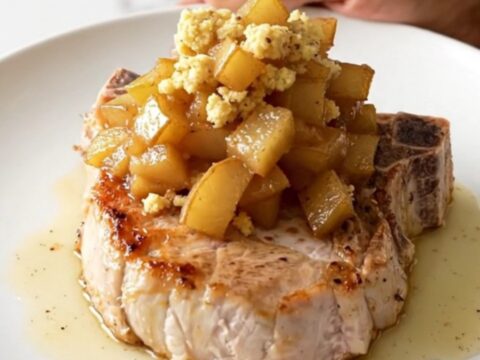
Slow Cooker Apple Cinnamon Pork Chops with Savory Stuffing
Total time: 4 h 10 min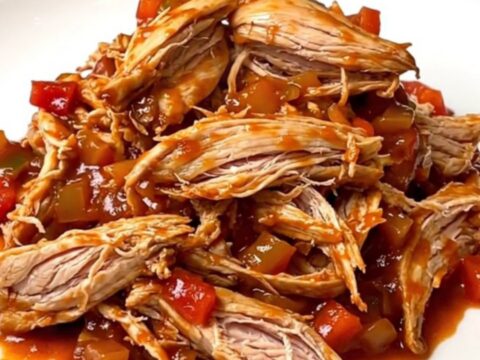
Easy Slow Cooker Shredded Chicken Sloppy Joes
Total time: 4 h 10 min