Dinner · Part 1 of 3: Ingredients
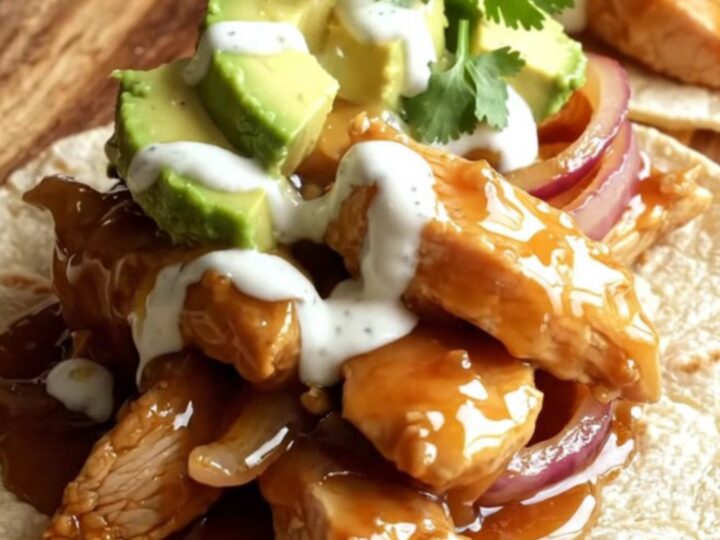
Slow-Cooker Honey Chipotle Chicken Fajitas
- Prep
- Cook
- Total
- Serves
- 6
Transform your dinner routine with this incredibly simple honey chipotle chicken fajita recipe. By utilizing the slow cooker, you achieve tender, flavor-packed chicken without the need for constant monitoring or stovetop hassle.
It is the perfect balance of smoky heat and natural sweetness that appeals to every palate at the table, making it a reliable go-to for busy evenings when you need something substantial, delicious, and easy to prepare.
This slow-cooker dish relies on the low-and-slow method to infuse chicken breasts with a deep, complex flavor profile. The combination of chipotle peppers in adobo and raw honey creates a signature glaze that is both spicy and sweet.
By layering the ingredients directly into the crockpot, you allow the juices to mingle and reduce into a thick, restaurant-quality sauce. This recipe is designed for maximum convenience, requiring minimal hands-on time while delivering bold, satisfying results that turn a simple fajita night into a memorable culinary experience.
Ingredients
Main Ingredients
- 2 1/2 lb chicken breasts, sliced into strips
- 2 bell peppers (red and orange), sliced
- 1 red onion, sliced
- 3 chipotle peppers in adobo, minced
- 1/4 cup raw honey
Serving
- corn tortillas, for serving
- diced avocado, for serving
- Mexican crema, for serving
- fresh cilantro, for serving
- lime wedges, for serving
Why this recipe works
The slow-cooker environment is ideal for breaking down the fibers in chicken breasts, ensuring they remain succulent rather than drying out. As the chicken cooks, it releases moisture that combines with the honey and chipotle adobo to create a self-basting effect.
This method allows the sugars in the honey to caramelize slowly, resulting in a rich, sticky glaze that clings to every piece of meat and vegetable without requiring a separate sauce reduction step.
Cooking the bell peppers and onions alongside the chicken allows them to absorb the smoky chipotle essence while softening to the perfect texture. This method of layering ensures that the aromatics are fully integrated, providing a depth of flavor that is difficult to replicate with quick-cooking methods.
By the time the three-hour cooking cycle is complete, the flavors have melded into a harmonious dish that is ready to be served directly from the pot.
Notes and substitutions
When selecting ingredients, opt for fresh bell peppers and red onions to ensure the best texture after the slow-cooking process. The chipotles in adobo are the primary source of smokiness and heat, so adjust the quantity based on your preference for spiciness. Using raw honey provides a floral sweetness that works exceptionally well with the earthy notes of the adobo, but you can substitute it with other liquid sweeteners if necessary.
While a standard slow cooker is ideal, ensure the insert is clean and dry before adding the raw ingredients. The recipe as written is intended for a standard 6-quart slow cooker. If you are using a smaller appliance, you may need to adjust the quantities accordingly to prevent overflow. Always handle raw poultry with care, ensuring that all preparation surfaces are cleaned thoroughly after the chicken is placed into the slow cooker.
- red onion: white or yellow onion for a slightly sharper flavor profile
- raw honey: agave nectar or maple syrup for a similar viscosity and sweetness
Equipment
- Slow cooker
- Chef's knife
- Cutting board
- Tongs
Up next · Part 2 of 3
3 steps · 3 h of cooking · what to look for at each stage
Step-by-step instructions (Part 2)