Dinner · Part 3 of 3: Tips & recipe card
Slow Cooker Honey Butter Spareribs and Corn Tips, FAQ & printable recipe
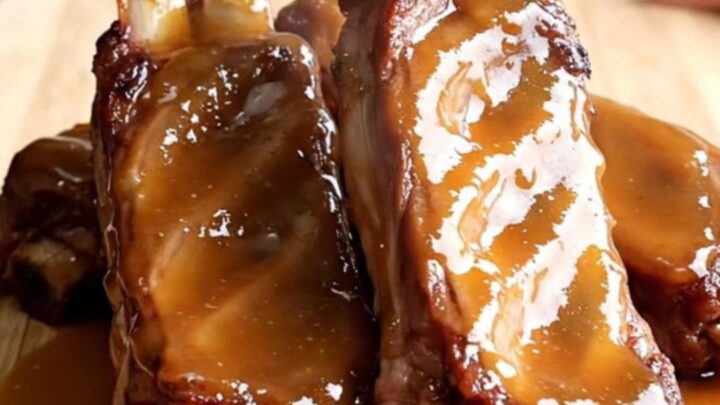
- Prep
- Cook
- Total
- Serves
- 4
Tips for success
For an extra touch of flavor, you can sear the spareribs in a hot skillet for 2 minutes on each side before placing them in the slow cooker. This adds a beautiful golden-brown crust and enhances the depth of the final sauce. However, this is entirely optional and the recipe works perfectly well without this step if you are short on time.
If you find the sauce is too thin after cooking, you can remove the ribs and corn, then turn the slow cooker to the high setting and whisk in a small amount of cornstarch slurry to thicken it.
Let it bubble for a few minutes until it reaches your desired consistency, then spoon it over the meat and corn before serving for a professional finish.
Variations
- Spicy Honey Butter Ribs: Add 1/2 teaspoon of cayenne pepper or red pepper flakes to the honey butter mixture for a gentle, warming heat that contrasts beautifully with the sweetness of the honey.
- Garlic Herb Ribs: Stir 2 cloves of minced garlic and 1 teaspoon of dried thyme into the honey butter before drizzling it over the ribs for an aromatic, herbal twist on the classic flavor.
Storage and make-ahead
- Fridge
- Store in an airtight container in the refrigerator for up to 3 days.
- Freezer
- Freeze in a freezer-safe container for up to 2 months.
- Reheat
- Reheat in the oven at 300°F (150°C) until warmed through, or microwave in 30-second intervals.
Store any leftover ribs and corn in an airtight container to maintain their moisture and flavor. Place the container in the refrigerator as soon as the food has cooled to room temperature, ideally within two hours of cooking.
Properly stored, the leftovers will keep for up to three days in the refrigerator, making them a great option for quick future meals.
You can assemble the ribs and corn in the slow cooker insert the night before and keep it in the refrigerator. When you are ready to cook, simply remove the insert from the fridge and place it directly into the slow cooker base.
Note that you may need to add an extra 30 minutes to the cooking time to account for the cold temperature of the ingredients.
Serving ideas
Serve the ribs and corn hot, drizzling the remaining honey butter sauce from the bottom of the slow cooker over everything. The sauce is packed with flavor and pairs beautifully with the tender pork and sweet corn. You can serve this meal as-is, or accompany it with a fresh green salad or some crusty bread to soak up any excess sauce.
For a casual presentation, place the ribs and corn on a large wooden serving board. This allows guests to serve themselves and creates a rustic, inviting look.
Arrange the corn cobs alongside the ribs and garnish with a little extra fresh paprika or chopped parsley if desired to add a pop of color before bringing the board to the table for everyone to enjoy.
Frequently asked questions
Can the corn be left in the slow cooker for the entire cooking time?
What is the best way to ensure the ribs are tender?
Is it necessary to use bone-in spareribs?
Slow Cooker Honey Butter Spareribs and Corn
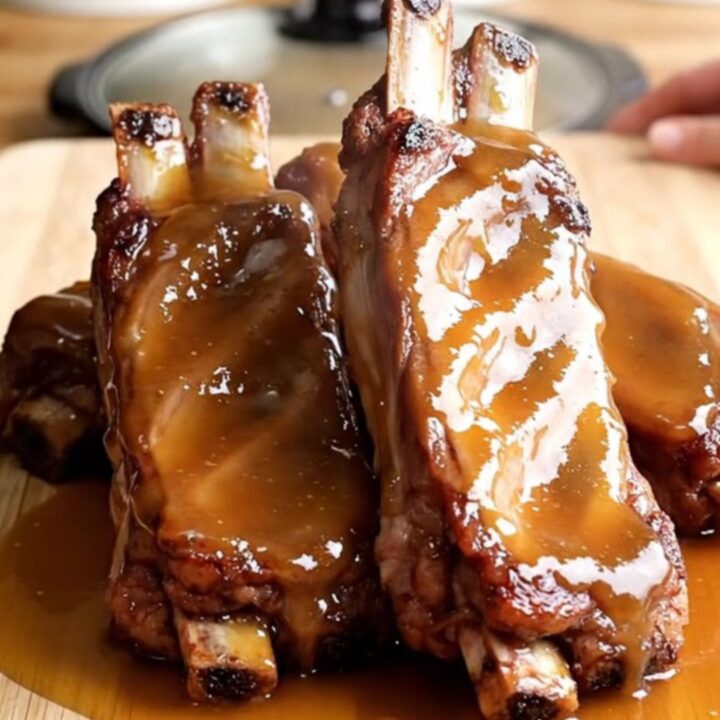
Ingredients
- 2 lb pork spareribs, cut into sections
- 4 halves corn on the cob
- 1 tsp smoked paprika
- 1/4 cup honey butter
Instructions
- Stand the pork sparerib sections in a ring around the inside of the slow cooker insert. Place the halved corn cobs in the center of the rib ring.
- Dust the spareribs and corn evenly with the smoked paprika. Drizzle the honey butter over the ribs and corn, ensuring they are well coated.
- Cover and cook on low for 6 hours or high for 3 hours until the pork reaches 145°F (63°C). Let the ribs rest for 5 minutes before serving.
Estimated nutrition per serving
- Calories
- 450
- Protein
- 22 g
- Carbohydrates
- 18 g
- Fat
- 31 g
- Fiber
- 2 g
- Sugar
- 12 g
- Sodium
- 350 mg
Next recipe
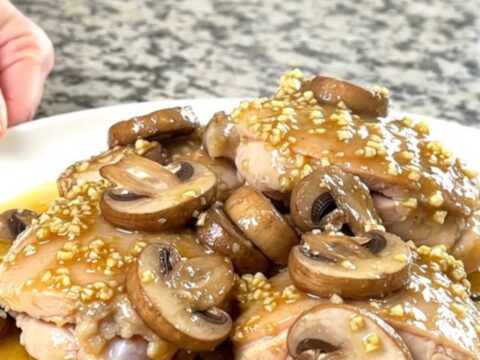
Slow Cooker Garlic Butter Mushroom Chicken Thighs
See the recipe → →This recipe is based on a short cooking video and is published under the pen name Clara Weller. It was checked before publication, but errors can slip through. Nutrition, when shown, is an estimate. Read more in our editorial policy and on our food safety page.
More recipes to try
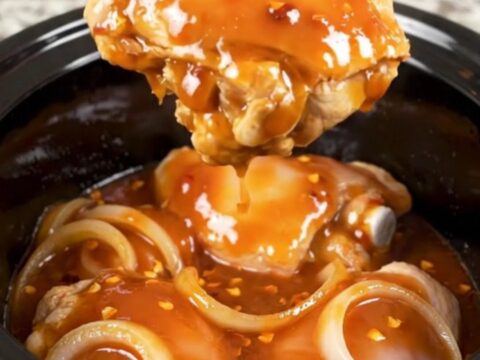
Slow Cooker Honey Chipotle Chicken Thighs for Easy Weeknight Dinners
Total time: 4 h 15 min
Creamy Dump-and-Bake Chicken Tetrazzini
Total time: 1 h
Butter-Poached Lobster and Crab Sourdough Melt
Total time: 27 min
Crispy Birria Grilled Cheese with Consommé
Total time: 14 min
French Onion Soup Grilled Cheese with Gruyère Crust
Total time: 40 min