Dinner · Part 3 of 3: Tips & recipe card
Slow Cooker Honey Apple Pork Tenderloin Tips, FAQ & printable recipe
- Prep
- Cook
- Total
- Serves
- 4
Tips for success
For a more concentrated sauce, the liquid remaining in the slow cooker after the pork is removed can be simmered in a small saucepan on the stove over medium heat until it thickens to a desired consistency. This enhances the honey and apple flavors, creating a beautiful glaze for the pork.
If the apples are preferred to be less soft, they can be added during the last hour of cooking. However, for a more integrated sauce where the apples contribute to the flavor of the dish, adding them at the beginning as indicated in the steps is the preferred method.
Variations
- Spiced Honey Pork: Add a pinch of ground ginger or cloves along with the cinnamon for a warmer, more complex spice profile that complements the sweetness of the honey apple juice.
- Savory Herb Pork: Incorporate a sprig of fresh rosemary or thyme into the slow cooker at the beginning of the cooking process to add an earthy, aromatic note to the dish.
Storage and make-ahead
- Fridge
- Store in an airtight container in the refrigerator for up to 4 days.
- Freezer
- Freeze in a freezer-safe container for up to 3 months. Thaw in the refrigerator before reheating.
- Reheat
- Reheat gently in a saucepan over low heat or in the microwave until warmed through, adding a splash of water or apple juice if the sauce has thickened too much.
Allow any leftovers to cool to room temperature for no longer than two hours before transferring them to an airtight container.
Keep the pork and the apple-onion sauce together to help the meat retain its moisture while stored in the refrigerator. Consume within three to four days for the best quality and flavor.
This dish is excellent for making ahead of time as the flavors continue to meld in the refrigerator. Simply prepare the recipe as directed, cool it completely, and store it in an airtight container.
When ready to serve, reheat gently on the stovetop or in the oven to maintain the texture of the pork.
Serving ideas
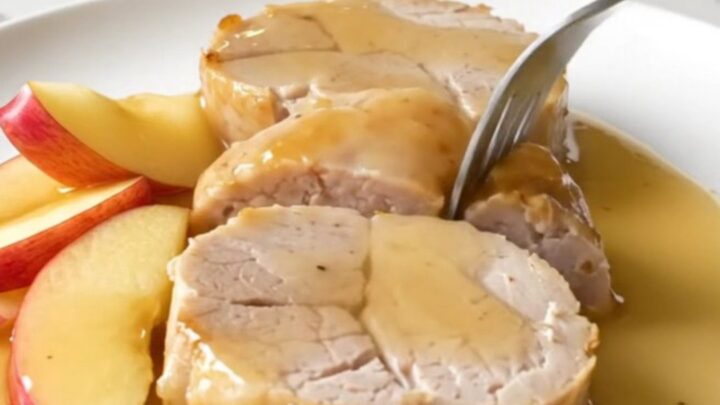
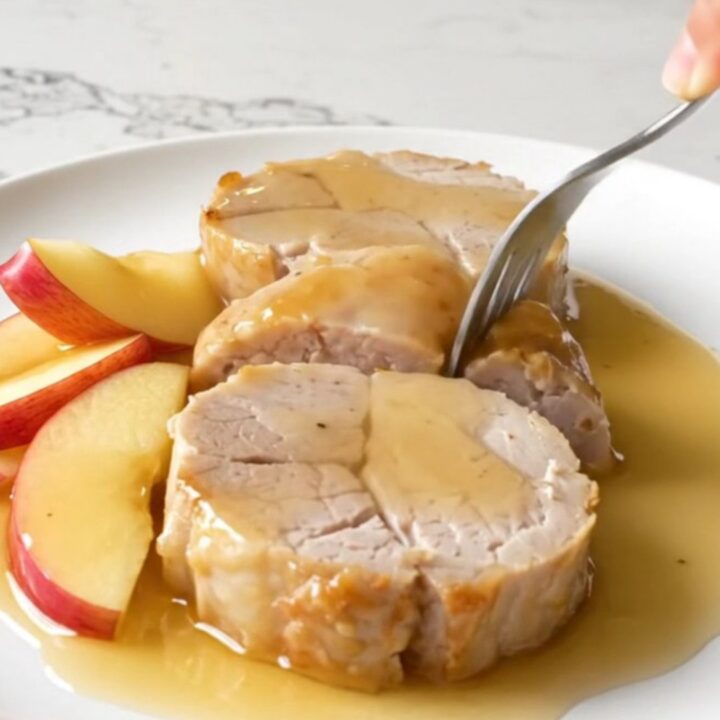
Serve the sliced pork tenderloin warm, topped with a generous spoonful of the cooked apples, onions, and the honey apple sauce.
This dish pairs beautifully with simple sides like roasted potatoes, steamed green beans, or a crisp garden salad to balance the sweetness of the fruit and honey glaze.
Arrange the pork rounds in a fan pattern on a serving platter and spoon the apple and onion mixture over the center.
This presentation highlights the contrast between the tender meat and the softened fruit, making for an inviting and elegant main course that is sure to please everyone at the table.
Frequently asked questions
Can this be made with a different cut of meat?
How can the sauce be thickened?
Is it possible to overcook the pork in a slow cooker?
Slow Cooker Honey Apple Pork Tenderloin
Ingredients
- 2 lbs pork tenderloin
- 2 red apples, sliced into wedges
- 1 yellow onion, sliced
- 1 tsp ground cinnamon
- 1/2 cup honey apple juice
Instructions
- Place the pork tenderloins into the base of the slow cooker insert. Arrange the sliced apples and onions around and between the pork pieces to ensure even distribution of flavors throughout the cooking process.
- Evenly sprinkle the ground cinnamon over the pork and fruit mixture. Pour the honey apple juice over the contents of the insert, ensuring the pork is lightly coated to help build the flavorful cooking liquid.
- Cover the slow cooker and cook on low for 4 hours until the pork reaches an internal temperature of 145°F (63°C). Remove the pork and let it rest on a cutting board for at least 5 minutes before slicing into thick rounds and serving with the apple and onion mixture.
Estimated nutrition per serving
- Calories
- 320
- Protein
- 35 g
- Carbohydrates
- 22 g
- Fat
- 9 g
- Fiber
- 2 g
- Sugar
- 18 g
- Sodium
- 120 mg
Next recipe
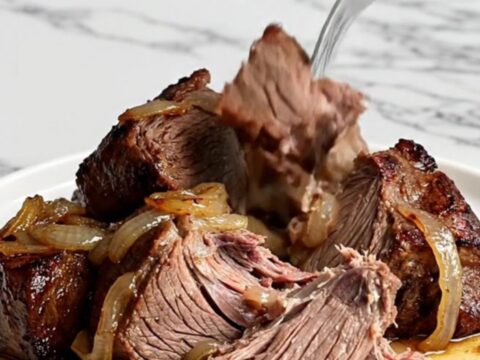
Slow Cooker Swamp Pot Roast with Tender Vegetables
See the recipe → →This recipe is based on a short cooking video and is published under the pen name Clara Weller. It was checked before publication, but errors can slip through. Nutrition, when shown, is an estimate. Read more in our editorial policy and on our food safety page.
More recipes to try

Easy Crockpot Widowmaker Cream Cheese White Chicken Chili
Total time: 4 h 10 min
Slow Cooker French Onion Mashed Potatoes
Total time: 4 h 10 min
Crockpot Cowgirl Soup with Ground Beef: Easy Set-It-and-Forget-It Dinner
Total time: 6 h 15 min
Slow Cooker Mango Salsa Pork Tenderloin
Total time: 4 h 15 min
Slow Cooker Gochujang Pork Tenderloin
Total time: 4 h 10 min