Dinner · Part 1 of 3: Ingredients
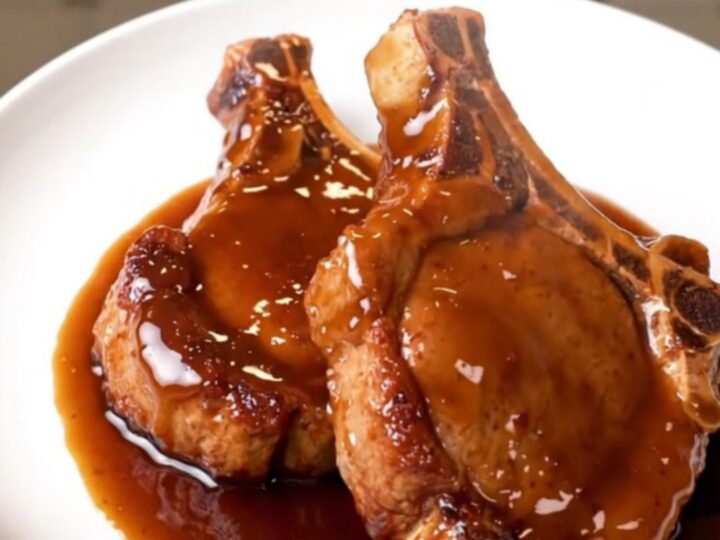
Slow Cooker Hoisin Glazed Pork Chops for an Easy Weeknight Dinner
- Prep
- Cook
- Total
- Serves
- 4
Transform humble pork chops into a restaurant-quality meal with this simple slow cooker technique that guarantees tender, flavorful results every single time you cook them. This method is the ultimate solution for home cooks who want to enjoy a savory, comforting dinner without spending hours in the kitchen. By utilizing the gentle, consistent heat of a slow cooker, you can achieve a level of tenderness that is difficult to replicate with other cooking methods, making this a reliable staple for your weekly meal rotation.
Slow cooking is the secret to achieving succulent meat that practically melts in your mouth, and this hoisin-glazed version is no exception. By combining savory hoisin sauce with sweet honey and aromatic ginger, you create a complex flavor profile that penetrates deep into the pork as it cooks low and slow.
This dish is designed for those who appreciate minimal prep time and maximum flavor, making it an ideal choice for busy weeknights when you want a comforting dinner waiting for you at the end of the day. It is a straightforward, no-fuss approach that delivers consistent, delicious results every time.
Ingredients
- 4 pieces pork chops
- 2 tbsp honey
- 1 tsp ground ginger
- 1/2 cup hoisin sauce
Why this recipe works
The slow cooker method uses gentle, consistent heat to break down the connective tissues in the pork chops, ensuring they remain juicy rather than drying out. This low-temperature environment allows the flavors of the hoisin, honey, and ginger to meld together into a rich, syrupy glaze that coats the meat perfectly as it slowly simmers.
This slow process ensures that the meat remains moist and tender, absorbing the savory notes of the sauce while the natural sugars in the honey caramelize slightly, creating a beautiful, glossy finish that is both visually appealing and incredibly flavorful for any dinner occasion.
This approach is highly efficient because it eliminates the need for constant monitoring or high-heat searing. By layering the ingredients directly into the basin, the meat essentially braises in its own juices and the sauce, resulting in a deeper infusion of seasoning than you could achieve with a quick pan-fry or oven-roasting method.
The slow cooker acts as a self-basting environment, keeping the pork chops surrounded by the aromatic glaze throughout the entire cooking time. This hands-off technique is perfect for busy schedules, allowing you to focus on other tasks while the meal develops its rich, complex flavor profile independently.
Notes and substitutions
When selecting pork chops for this recipe, bone-in chops often provide superior flavor and stay moister during the slow cooking process compared to boneless varieties. If using boneless, keep a close eye on the cooking time as they may reach the required temperature slightly faster than their bone-in counterparts.
Always choose chops that are of similar thickness to ensure they finish cooking at the same time. If you find your chops vary significantly in size, adjust the cooking duration accordingly to prevent any individual piece from becoming overcooked while others remain underdone during the slow cooking cycle.
The choice of hoisin sauce is crucial as it forms the base of the glaze. Look for a high-quality sauce that has a balance of sweetness and depth. If you prefer a bit of heat, consider adding a dash of sriracha or crushed red pepper flakes to the sauce before pouring it over the pork. Additionally, ensure your slow cooker is the appropriate size for the quantity of meat; a pot that is too large may cause the sauce to spread too thin, while one that is too small might prevent even heat distribution across the surface of the pork chops.
- honey: brown sugar or maple syrup can be used for a similar sweetness
- ground ginger: freshly grated ginger adds a more vibrant and pungent flavor profile
Equipment
- Slow cooker
- Measuring cup
- Measuring spoons
Up next · Part 2 of 3
3 steps · 4 h of cooking · what to look for at each stage
Step-by-step instructions (Part 2)