Dinner · Part 1 of 3: Ingredients
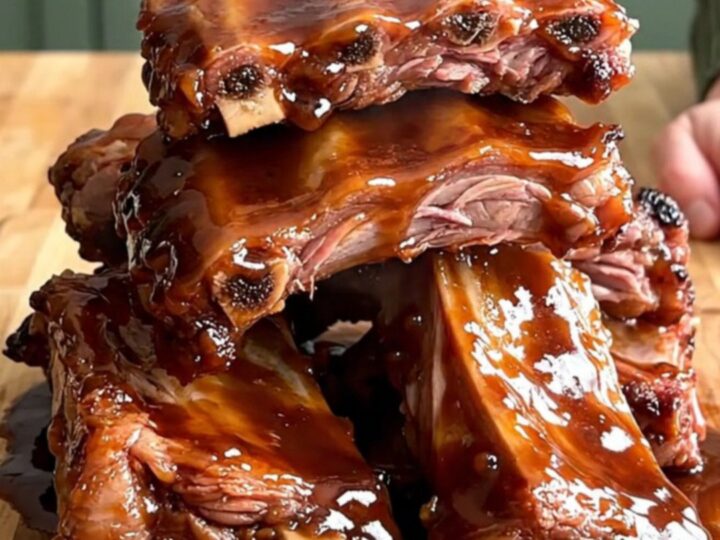
Slow Cooker Hoisin Garlic Spareribs
- Prep
- Cook
- Total
- Serves
- 4
Transform humble pork spareribs into a succulent, restaurant-style meal with the magic of a slow cooker and a rich, savory glaze.
This recipe relies on a long, gentle braise to break down the connective tissues in the ribs, resulting in meat that is incredibly tender, juicy, and packed with deep, aromatic flavor from the hoisin and garlic combination. It is the perfect solution for a hearty dinner that requires minimal active effort in the kitchen.
When time is limited but the craving for savory, sticky ribs is high, the slow cooker is an indispensable tool. This method gently simmers the pork in its own juices combined with a thick, sweet, and salty hoisin sauce, which caramelizes slightly during the cooking process.
By starting with fresh spareribs and simple pantry staples, one can create a dish that feels like a weekend project while barely lifting a finger. The result is a consistent, reliable, and deeply satisfying meal that pairs perfectly with steamed rice or fresh vegetables.
Ingredients
- 3 lb pork spareribs, cut into serving sections
- 1/2 cup green onions, sliced
- 3 tbsp minced garlic
- 1 cup hoisin sauce
Why this recipe works
The slow cooker method provides a moist, enclosed environment that is ideal for braising tougher cuts of meat like spareribs. By cooking at a low temperature for an extended period, the collagen in the pork gradually breaks down into gelatin, which gives the meat its signature melt-in-the-mouth texture.
This process allows the intense flavors of the hoisin sauce and the aromatics to penetrate deep into the ribs, ensuring that every bite is seasoned perfectly from the inside out.
Using the slow cooker also simplifies the cooking process by eliminating the need for constant monitoring or basting required by oven roasting or grilling. As the ribs cook, the hoisin sauce blends with the rendered pork fat to create a luscious, sticky glaze that coats the meat naturally.
This hands-off approach guarantees consistent results every time, as the steady, controlled heat prevents the meat from drying out, even if the cooking time extends slightly beyond the target duration.
Notes and substitutions
Select fresh pork spareribs that have a good balance of meat and fat to ensure the best results. If the ribs are excessively fatty, trim the excess before placing them in the slow cooker, but keep a small amount of fat to help keep the meat moist during the long braising time. Using bone-in ribs is essential, as the bone adds significant flavor to the sauce during the cooking process, contributing to a more complex and rich final result.
For the best flavor, use a high-quality hoisin sauce, as it serves as the base for the entire dish. The garlic should be fresh and finely minced to distribute its punchy, savory notes throughout the braise. If a thinner sauce is preferred, a small splash of water or rice wine can be added to the crock, though the natural juices released by the pork are typically sufficient to create a beautiful, glossy coating without any additional liquid.
- pork spareribs: pork baby back ribs, though the cooking time may be slightly shorter due to the smaller size of the meat.
- hoisin sauce: a mixture of soy sauce, peanut butter, and a touch of honey or brown sugar to mimic the flavor profile.
Equipment
- Slow cooker
- Chef's knife
- Cutting board
- Measuring cups and spoons
Up next · Part 2 of 3
4 steps · 8 h of cooking · what to look for at each stage
Step-by-step instructions (Part 2)