Dinner · Part 1 of 3: Ingredients
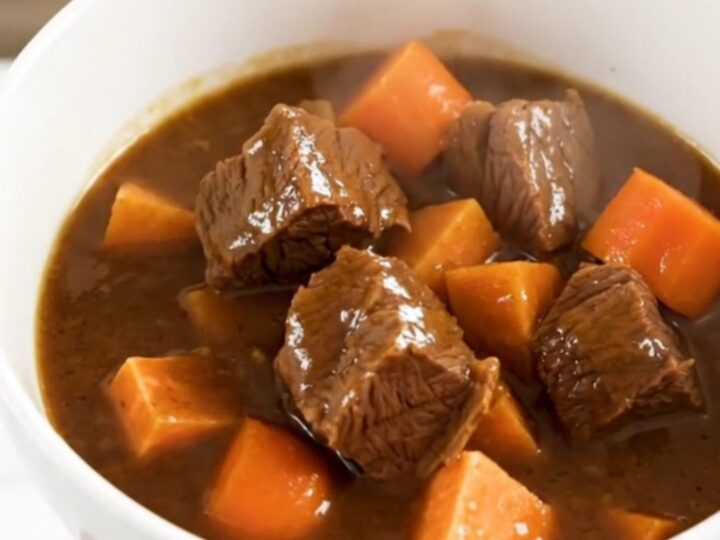
Slow Cooker Harvest Apple Cider Beef Stew
- Prep
- Cook
- Total
- Serves
- 4
Transform humble pantry staples into a sophisticated, soul-warming meal that practically cooks itself while the day unfolds. This slow cooker harvest apple cider beef stew combines the savory depth of tender beef with the natural sweetness of root vegetables and crisp apple notes.
It is the perfect answer to busy days when a comforting, home-cooked dinner is the only thing that will satisfy. Simply layer, pour, and wait for the magic to happen in your slow cooker.
There is a distinct comfort found in a slow-simmered stew, especially when the flavors of the harvest season are incorporated into the pot. By using apple cider as the braising liquid, the beef takes on a subtle, fruity sweetness that balances the earthy tones of thyme and roasted root vegetables.
This recipe focuses on clean, simple preparation, allowing the high-quality ingredients to shine without the need for complex techniques or excessive additives. It is a straightforward approach to a classic dish that delivers consistent, restaurant-quality results every single time.
Ingredients
Main Ingredients
- 1 lb beef chuck roast, cubed
- 2 cups sweet potatoes, cubed
- 2 cups carrots, sliced
Seasoning
- 1 tsp dried thyme
Liquid
- 1 cup apple cider
Why this recipe works
The slow cooking method works by breaking down the connective tissues in the beef chuck roast over an extended period at a low, consistent temperature. This transformation ensures that the meat becomes incredibly tender and flavorful, absorbing the aromatic essences of the apple cider and herbs.
Because the cooking environment is sealed, moisture is locked inside, preventing the meat from drying out while simultaneously concentrating the flavors of the vegetables.
Utilizing apple cider as the primary cooking liquid serves two purposes: providing moisture and infusing the stew with a delicate acidity and sweetness. This acidity helps to tenderize the beef further while creating a complex, well-rounded sauce that coats the vegetables beautifully.
The layering method ensures that the heartier ingredients receive the most heat, while the delicate seasonings are distributed evenly throughout the liquid as the steam circulates within the slow cooker.
Notes and substitutions
When selecting beef for this stew, choose a chuck roast with good marbling. The intramuscular fat is essential for keeping the meat moist during the long cooking time. If you prefer a leaner result, you can trim the excess fat from the outside of the roast, but avoid removing all of it. For the sweet potatoes, ensure they are cut into uniform, bite-sized cubes so they cook at the same rate as the carrots, preventing mushy or undercooked pieces.
The choice of equipment is straightforward; a standard 4-to-6-quart slow cooker works best for this recipe. Avoid using a vessel that is too large, as this can cause the liquid to evaporate too quickly, altering the consistency of the stew. If you find the sauce is too thin at the end of the cooking cycle, you may remove the lid for the final 30 minutes of cooking, though this is rarely necessary given the natural starch release from the sweet potatoes.
- beef chuck roast: beef stew meat or boneless sirloin cubes
- apple cider: unsweetened apple juice mixed with a splash of apple cider vinegar
Equipment
- Slow cooker
- Measuring cups
- Chef's knife
- Cutting board
Up next · Part 2 of 3
3 steps · 8 h of cooking · what to look for at each stage
Step-by-step instructions (Part 2)