Dinner · Part 3 of 3: Tips & recipe card
Slow-Cooker Guinness Onion Dijon Cream Beef Brisket Tips, FAQ & printable recipe
- Prep
- Cook
- Total
- Serves
- 8
Tips for success
For the best flavor, sear the brisket in a hot skillet with a little oil before adding it to the slow cooker. This adds a caramelized crust that deepens the meaty taste.
While the video skips this step, it's a simple way to elevate the dish. If you do sear, do it in batches to avoid steaming the meat, and deglaze the pan with a splash of the Guinness to capture all the browned bits.
To make the gravy thicker, remove the brisket and onions with a slotted spoon, then whisk a slurry of 1 tablespoon cornstarch and 2 tablespoons cold water into the remaining liquid.
Cook on high for 10-15 minutes until thickened. For a lighter sauce, skim off excess fat before serving. If the gravy tastes flat, add a splash of vinegar or a pinch of salt to brighten it up.
Variations
- Horseradish Cream: Swap the sour cream for 1/2 cup prepared horseradish sauce and reduce the Dijon to 2 tablespoons. The sharp, peppery heat of horseradish cuts through the richness of the beef, adding a lively kick. Serve with extra horseradish on the side.
- Mushroom Stout: Add 8 oz sliced cremini mushrooms along with the pearl onions. The mushrooms absorb the stout and become savory and tender. Sauté them briefly in butter before adding to the slow cooker for extra depth. This variation adds an earthy note that complements the beef.
- Sweet and Smoky: Replace the whole-grain Dijon with 2 tbsp smoked paprika and 1 tbsp brown sugar. The smoky paprika gives the gravy a barbecue-like depth, while the sugar balances the bitterness of the stout. This version is especially good with a side of coleslaw.
- Herb Garden: Add 2 sprigs fresh thyme and 1 sprig rosemary to the pot along with the brisket. The herbs infuse the gravy with a fragrant, woodsy aroma. Remove the sprigs before serving. This variation brightens the rich flavors and adds a touch of freshness.
Storage and make-ahead
- Fridge
- Store in an airtight container in the refrigerator for up to 4 days. Reheat gently on the stovetop with a splash of broth, or microwave in 30-second bursts.
- Freezer
- Freeze in an airtight container for up to 3 months. Thaw overnight in the refrigerator before reheating.
- Reheat
- Reheat in a saucepan over medium-low heat, adding a little beef broth or water to loosen the gravy. Stir occasionally until heated through, about 10 minutes.
Store leftover brisket and gravy in an airtight container in the refrigerator for up to 4 days. The flavors will continue to meld, making it even better the next day.
To reheat, place in a saucepan over medium-low heat, adding a splash of beef broth or water to loosen the gravy. Microwave in 30-second bursts, stirring in between, until heated through. Let leftovers cool for no more than 2 hours before refrigerating.
This dish is perfect for making ahead. Cook the brisket as directed, then let it cool completely. Store in the refrigerator for up to 3 days, or freeze for up to 3 months.
Reheat gently on the stovetop or in the oven, adding a little broth to restore the saucy consistency. The meat becomes even more flavorful as it sits, making it an excellent make-ahead meal for gatherings.
Serving ideas
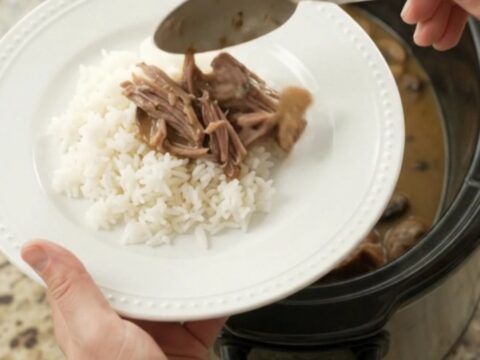
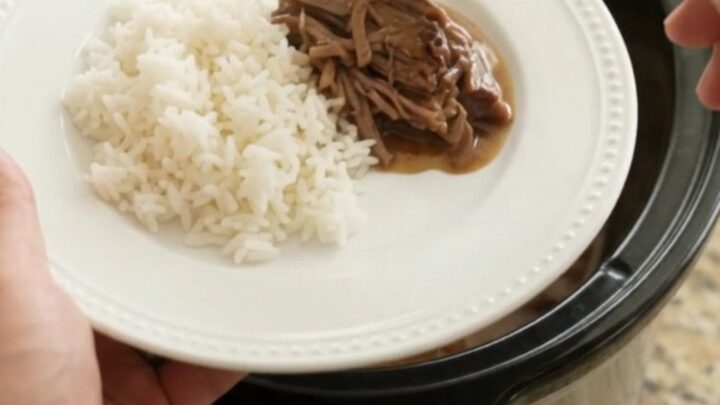
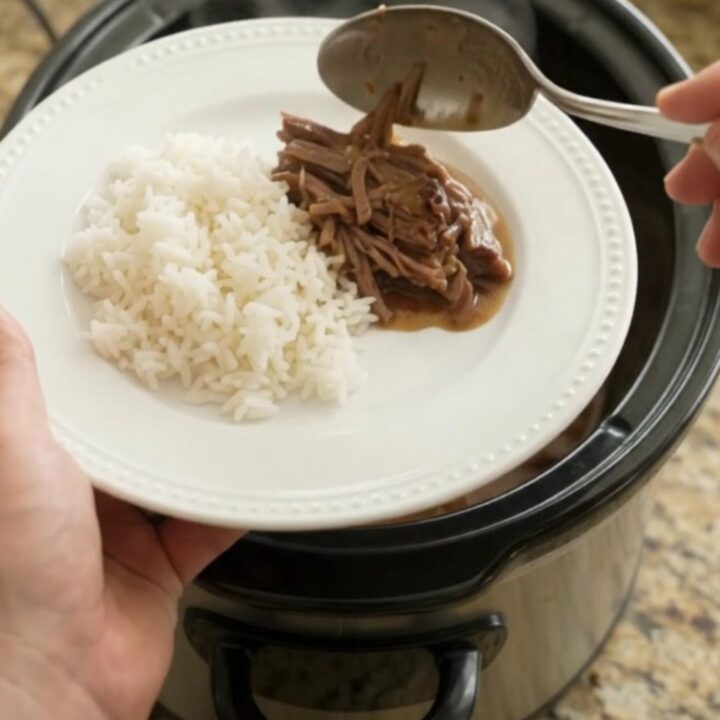
Serve the brisket over steamed white rice, which soaks up the rich gravy beautifully. Mashed potatoes or egg noodles also work well. For a low-carb option, serve with roasted vegetables or a crisp green salad. The pearl onions are a delicious bonus, so be sure to spoon them over each serving. A sprinkle of fresh parsley adds a pop of color, though it's optional.
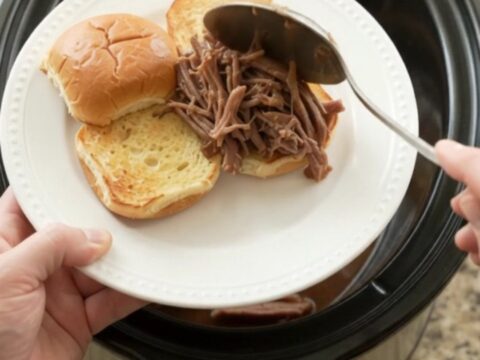
This dish pairs wonderfully with a pint of stout or a full-bodied red wine. For a complete meal, add a side of crusty bread to mop up every last bit of the velvety sauce. Leftovers can be used in sandwiches, tacos, or over nachos for a fun twist. The rich, savory flavors are satisfying on their own, making this a versatile main course for any occasion.
Frequently asked questions
Can this recipe be made on the stovetop or in the oven?
Why does the sour cream sometimes curdle?
Can this be made without alcohol?
How can the gravy be thickened?
What is the best cut of brisket to use?
Slow-Cooker Guinness Onion Dijon Cream Beef Brisket
Ingredients
- 3 1/2 lb beef brisket, trimmed
- 2 cups pearl onions, peeled
- 1 bottle (12 oz) Guinness draught stout
- 1/2 cup sour cream
- 3 tbsp whole-grain Dijon mustard
- 1 cup beef au jus
- 1 tsp kosher salt
- 1/2 tsp black pepper
Instructions
- Pat the brisket dry with paper towels and season all over with salt and pepper. Place the brisket flat in the bottom of a 6-quart slow cooker, fat side up. Scatter the pearl onions around the brisket, tucking some underneath for even cooking.
- Pour the Guinness stout over the brisket and onions, allowing the foam to settle. The liquid should come about halfway up the meat; if not, add a little water or beef broth.
- In a small bowl, stir together the sour cream and whole-grain Dijon mustard until smooth. Dollop the mixture over the top of the brisket, spreading it gently with a spoon. Pour the beef au jus along the side of the pot, not directly over the brisket.
- Cover the slow cooker and cook on low for 8 to 10 hours, or on high for 4 to 5 hours, until the brisket is fork-tender and easily shreds. The internal temperature should reach at least 145°F (63°C) for food safety, but it will be much higher for tenderness. Let it rest for 3 minutes before slicing.
- Turn off the slow cooker and let the brisket rest in the liquid for at least 15 minutes. Transfer the brisket to a cutting board and let it rest 3 minutes more. Using two forks, shred the meat into thick chunks, discarding any large fat pieces.
- Return the shredded brisket to the slow cooker and stir gently to coat with the gravy. Serve over steamed white rice, spooning extra gravy and onions on top.
Estimated nutrition per serving
- Calories
- 420
- Protein
- 38 g
- Carbohydrates
- 10 g
- Fat
- 24 g
Next recipe
Slow-Cooker Guinness Onion Brown Gravy Beef Brisket
See the recipe → →This recipe is based on a short cooking video and is published under the pen name Clara Weller. It was checked before publication, but errors can slip through. Nutrition, when shown, is an estimate. Read more in our editorial policy and on our food safety page.
More recipes to try
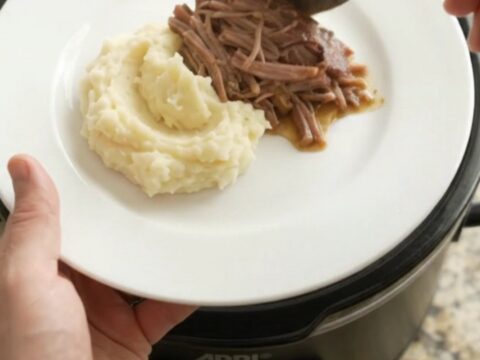
Guinness Onion Butter Beef Brisket: Slow-Cooker Comfort
Total time: 8 h 10 min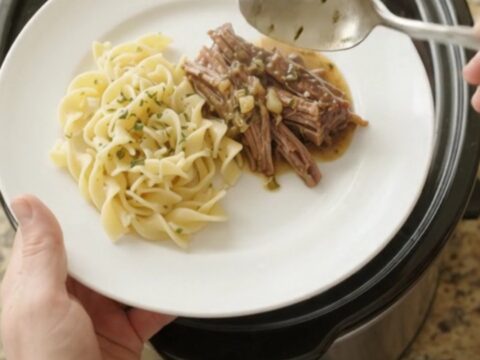
Three-Packet Garlic Butter Beef Brisket
Total time: 8 h 20 min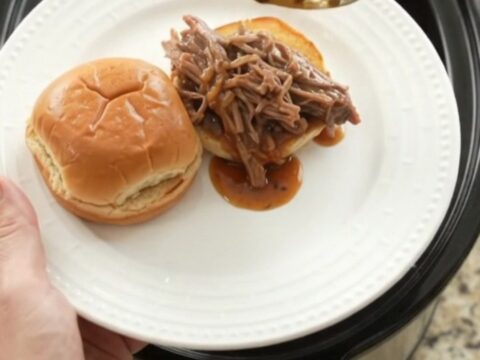
3-Packet Brown Gravy Beef Brisket (Slow Cooker)
Total time: 8 h 25 min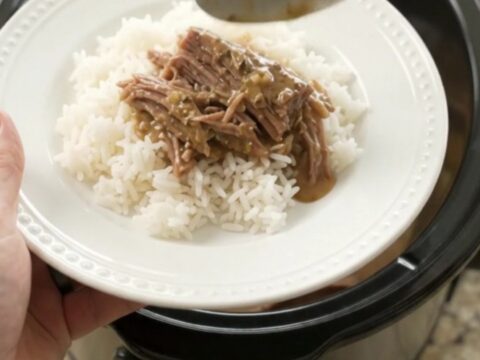
Three-Packet Dijon Cream Beef Brisket: Slow-Cooker Wonder
Total time: 8 h 20 min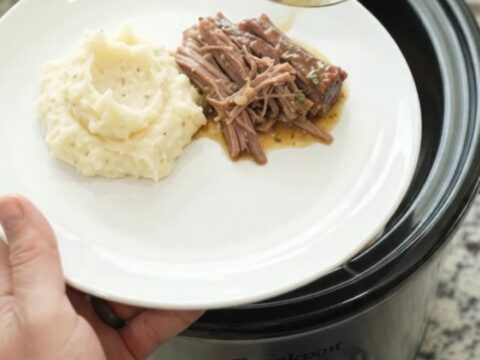
Three-Packet Butter Beef Brisket (Slow Cooker)
Total time: 8 h 20 min