Dinner · Part 1 of 3: Ingredients
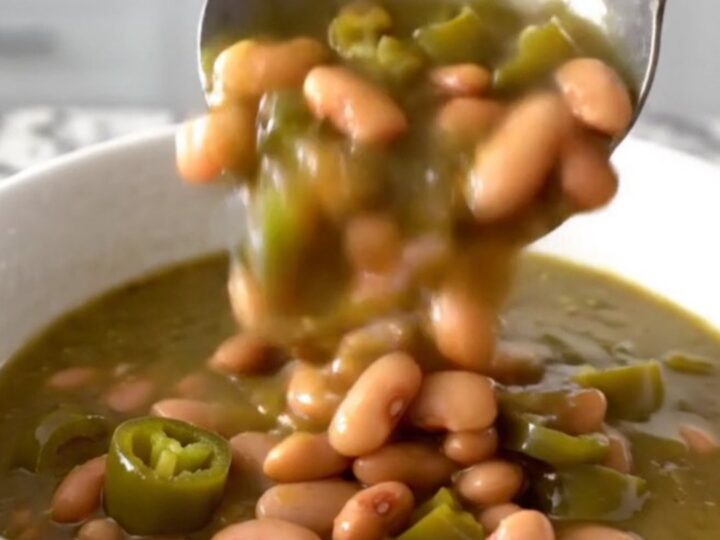
Slow Cooker Green Chile Pinto Bean Stew
- Prep
- Cook
- Total
- Serves
- 6
Discover how a few simple pantry staples can transform into a rich, flavorful dinner with almost no effort. This green chile pinto bean stew relies on the slow cooker to develop deep, complex flavors, making it the ultimate solution for stress-free meal planning during busy weeks.
By combining tender pinto beans with the bright tang of salsa verde and earthy cumin, this recipe delivers a hearty, satisfying experience that highlights the beauty of minimalist cooking techniques in a modern home kitchen environment.
This green chile pinto bean stew is the definition of effortless cooking. Using a slow cooker, you can create a deeply flavorful and comforting meal that requires only minutes of active preparation time. The combination of creamy pinto beans, zesty diced green chiles, and a vibrant salsa verde base creates a complex profile that tastes like it has been simmering all day.
It is a fantastic option for anyone looking for a reliable, plant-based dinner that warms the soul and satisfies the palate without requiring constant attention or complex culinary skills throughout the cooking process.
Ingredients
Stew Base
- 3 cans drained whole pinto beans
- 1 cup diced green chiles
- 1 cup diced onion
Seasoning
- 1 tsp ground cumin
Stew Base
- 2 cups salsa verde
Why this recipe works
The slow cooker method works by using gentle, consistent heat to soften the beans and allow the aromatics to meld perfectly. Because the ingredients are cooked in a sealed environment, the moisture from the salsa verde is trapped, ensuring the beans stay creamy rather than drying out. This technique is ideal for ingredients like pinto beans, which benefit from a long, slow cook time to achieve a tender, melt-in-your-mouth texture while absorbing the surrounding flavors.
Additionally, the acidity of the salsa verde helps to balance the earthy notes of the cumin and the heat of the green chiles. This balance is crucial for a stew that feels well-rounded.
By layering the ingredients as directed, you ensure that the flavors are distributed evenly as the juices release, creating a harmonious sauce that coats every bean perfectly. The result is a consistent, reliable dish that develops a depth of flavor that is difficult to achieve with quick stovetop methods.
Notes and substitutions
When selecting ingredients, choose high-quality canned pinto beans for the best texture; look for beans that are firm enough to hold their shape during the long cooking process. If you prefer a spicier stew, feel free to use a hot salsa verde or add extra diced green chiles. The cumin provides a necessary warmth, so ensure it is fresh and aromatic to get the best results. Using a standard oval slow cooker works best to allow for even heat distribution across the bottom.
If you find that your stew is too thick after cooking, add a small splash of vegetable broth or water to reach your desired consistency. While the recipe uses standard canned ingredients, ensure you drain the beans well to prevent the stew from becoming too watery.
The equipment required is minimal, essentially just a reliable slow cooker and basic measuring tools. This recipe is highly adaptable, allowing you to easily scale the ingredients up or down depending on the size of your slow cooker and the number of servings needed.
- pinto beans: black beans or navy beans
- salsa verde: roasted tomatillo sauce
Equipment
- Slow cooker
- Measuring cups
- Measuring spoons
- Serving ladle
- Soup bowls
Up next · Part 2 of 3
3 steps · 4 h of cooking · what to look for at each stage
Step-by-step instructions (Part 2)