Dinner · Part 2 of 3: Instructions
Slow Cooker Garlic Oregano Pork Shoulder Step-by-step instructions
- Prep
- Cook
- Total
- Serves
- 8
Before you start
Before starting, ensure the pork shoulder is completely thawed and patted dry with paper towels. Peel the garlic cloves and slice the onion into uniform pieces to ensure they cook evenly.
Have all measuring tools ready, and check that the slow cooker is clean and positioned on a stable, heat-resistant surface. If the pork has a thick fat cap, some of it can be trimmed, though leaving a thin layer will provide extra moisture during the long cooking cycle.
Ingredients at a glance (7)
- 4 lb bone-in pork shoulder
- 1 large onion, sliced
- 6 cloves garlic, peeled
- 1 tbsp dried oregano
- 1 tsp ground cumin
- 1/4 cup white vinegar
- 2 tbsp olive oil
Instructions
Preparation and Setup
- Prepare the slow cookerPlace the bone-in pork shoulder into the base of the slow cooker insert. Arrange the sliced onions and peeled garlic cloves evenly around the meat.Look for The pork shoulder should fit snugly in the bottom of the ceramic insert.Tip Ensure the onions are tucked into the gaps to maximize flavor infusion into the juices.
The pork should be settled comfortably at the bottom of the insert, with onions and garlic tucked around it to create a fragrant base. Check that the meat is positioned so that the aromatics are surrounding the sides, creating a consistent environment for the flavors to develop as the slow cooker heats up.
The Slow Braise
- Season and cookSprinkle the dried oregano and ground cumin over the pork. Pour the white vinegar and olive oil over the top. Cover and cook on low for 8 hours until the meat reaches an internal temperature of 145°F (63°C). Once cooked, let the meat rest for at least 3 minutes before shredding.Look for The meat should be tender enough to pull apart easily with tongs.Safe temperature 145°F (63°C) internal temperature (steaks, chops and roasts)Tip Avoid lifting the lid frequently to maintain a consistent cooking temperature.
During the cooking phase, the kitchen will fill with the savory aroma of garlic, oregano, and pork. The liquid level should rise slightly as the onions soften and release their juices. The pork should remain undisturbed, allowing the heat to penetrate the meat thoroughly and tenderize the fibers without drying them out.
Final Shredding
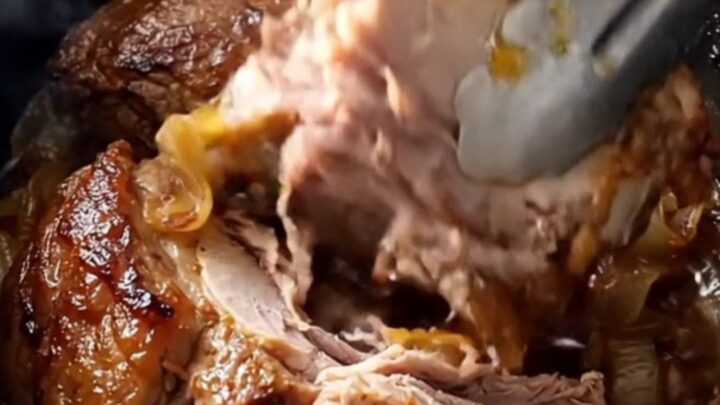
- Rest and serveRemove the pork from the slow cooker and let it rest on a cutting board for at least 10 minutes before shredding into large chunks with tongs.Look for The pork should be falling into large, juicy chunks.Safe temperature 145°F (63°C) internal temperature (steaks, chops and roasts)Tip Resting allows the juices to redistribute, ensuring the meat remains moist and flavorful.
After the resting period, the pork should be incredibly tender and ready to fall apart into large, succulent chunks. Check that the meat is moist and pulls away from the bone effortlessly.
The juices should be clear and fragrant, perfect for serving alongside the shredded pork to add extra depth and moisture to each portion.
Common mistakes
A common mistake is using a cut of meat that is too lean, which can result in dry, stringy pork. Always use pork shoulder or butt for this recipe. Another error is failing to allow the meat to rest, which causes the juices to run out immediately upon carving.
Ensure the slow cooker is not overcrowded, as this can impede even heat circulation. Finally, avoid adding too much liquid, as the pork and onions will release significant moisture during cooking.
How to tell it’s done
The pork is done when it reaches an internal temperature of at least 145°F (63°C) and the meat pulls apart easily with a fork or tongs. Because of the long, slow cooking time, the meat will naturally exceed this temperature, becoming exceptionally tender.
Use a meat thermometer inserted into the thickest part of the roast to verify the temperature, and ensure the meat rests for at least 3 minutes before serving to lock in the juices.
- Steaks, chops and roasts: 145°F (63°C) in the thickest part, then a 3-minute rest
Up next · Part 3 of 3
2 variations · storage & make-ahead · 3 answers · printable card
Tips, FAQ & printable recipe (Part 3)← Back to the ingredients (Part 1)