Dinner · Part 3 of 3: Tips & recipe card
Slow Cooker Garlic Butter Turkey and Potatoes Tips, FAQ & printable recipe
- Prep
- Cook
- Total
- Serves
- 4
Tips for success
For extra depth, consider adding a splash of vegetable or chicken broth to the base of the slow cooker. This helps create a more liquid-based sauce if you prefer a dish with a bit more moisture to serve over rice or with crusty bread.
Adjust the seasoning levels according to your preference, as the flavors will intensify during the long, slow cooking process.
If you find the sauce is too thin at the end of the cooking, you can remove the lid for the final 15 minutes of cooking to allow some of the moisture to evaporate.
This helps concentrate the garlic butter flavor and provides a slightly thicker consistency for the finished dish. Always serve immediately while hot for the best texture and flavor.
Variations
- Herbed Garlic Turkey: Add fresh rosemary or thyme sprigs during the cooking process to infuse the dish with deeper, woodsy herbal notes that complement the garlic butter perfectly.
- Spicy Garlic Turkey: Incorporate a teaspoon of red pepper flakes into the seasoning blend to add a subtle heat that cuts through the richness of the butter.
Storage and make-ahead
- Fridge
- Keep in an airtight container for up to 3 days.
- Freezer
- Freeze in a freezer-safe container for up to 1 month.
- Reheat
- Reheat in the microwave or on the stovetop until heated through.
Store any leftovers in an airtight container in the refrigerator for up to 3 days. Ensure the food has cooled completely within 2 hours of cooking before placing it in the fridge to maintain quality and safety.
When storing, keep the turkey and potatoes together, as the flavors will continue to meld, often making the leftovers taste even better the next day.
While this is a quick dump-and-go recipe, you can prepare the potatoes by halving them and storing them in the refrigerator the night before. Keep the turkey in its original packaging until you are ready to assemble.
This reduces your active preparation time to almost zero, making it an excellent option for busy mornings when you want to set the slow cooker before heading out.
Serving ideas
Serve this dish hot directly from the slow cooker, spooning generous portions of the turkey and potatoes onto plates. The garlic butter sauce is excellent when drizzled over the top of the potatoes, so be sure to scrape the bottom of the slow cooker to include all the flavorful drippings and melted butter in your servings.
This meal is hearty enough to be served on its own, but it also pairs beautifully with a simple side of steamed green vegetables or a crisp garden salad to balance the richness of the garlic butter. The simplicity of the dish makes it a versatile main course that fits well into a variety of casual dining settings.
Frequently asked questions
Can this be made with chicken breast instead of turkey?
Why should the meat rest for 5 minutes?
Is it possible to cook this on high instead of low?
Slow Cooker Garlic Butter Turkey and Potatoes
Ingredients
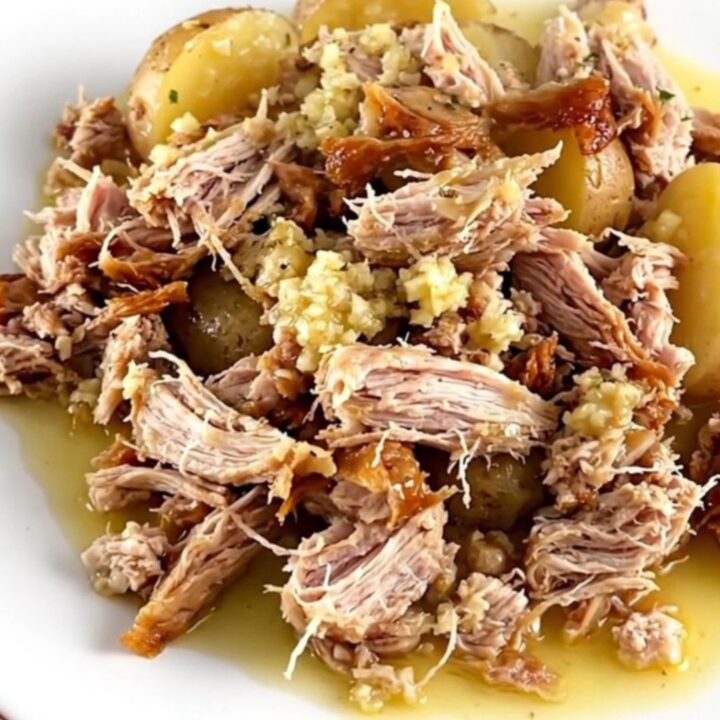
- 1 lb ground turkey
- 1 lb baby potatoes, halved
- 2 tbsp garlic and parsley seasoning
- 4 tbsp unsalted butter, melted
Instructions
- Place the ground turkey into the base of the slow cooker, breaking it up slightly. Arrange the halved baby potatoes in a ring around the turkey to ensure even cooking.
- Evenly sprinkle the garlic and parsley seasoning over the turkey and potatoes. Drizzle the melted butter over the entire mixture, ensuring it coats the ingredients well.
- Cover the slow cooker and cook on low for 4 hours until the potatoes are fork-tender and the turkey reaches an internal temperature of 165°F (74°C). Let the meat rest for 5 minutes before serving.
Estimated nutrition per serving
- Calories
- 420
- Protein
- 32 g
- Carbohydrates
- 28 g
- Fat
- 20 g
- Fiber
- 3 g
- Sugar
- 1.5 g
- Sodium
- 450 mg
Next recipe

Easy One-Pan Oven Arroz con Pollo Bake
See the recipe → →This recipe is based on a short cooking video and is published under the pen name Clara Weller. It was checked before publication, but errors can slip through. Nutrition, when shown, is an estimate. Read more in our editorial policy and on our food safety page.
More recipes to try
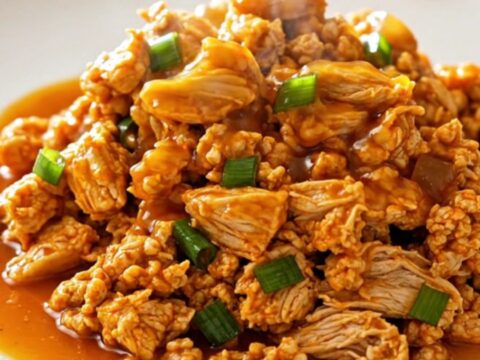
Slow Cooker Orange Ground Turkey for Easy Weeknight Dinners
Total time: 3 h 5 min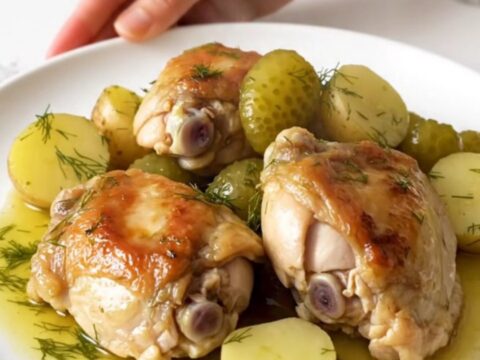
Slow Cooker Dill Pickle Chicken Thighs and Potatoes
Total time: 4 h 15 min
Crockpot Peach Salsa Chicken Thighs for an Easy Weeknight Dinner
Total time: 4 h 10 min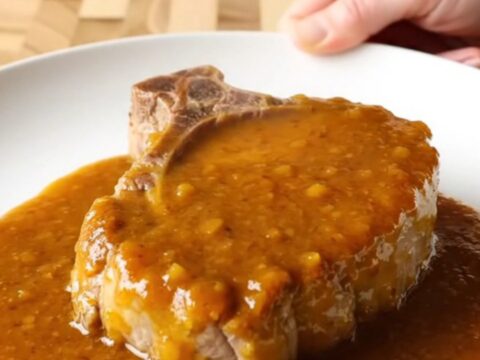
Slow Cooker Apricot BBQ Pork Chops for Tender Results
Total time: 4 h 10 min
Slow Cooker Kentucky Hot Brown Turkey
Total time: 4 h 15 min