Dinner · Part 1 of 3: Ingredients
Crockpot Espresso Rubbed & Molasses BBQ Pulled Pork
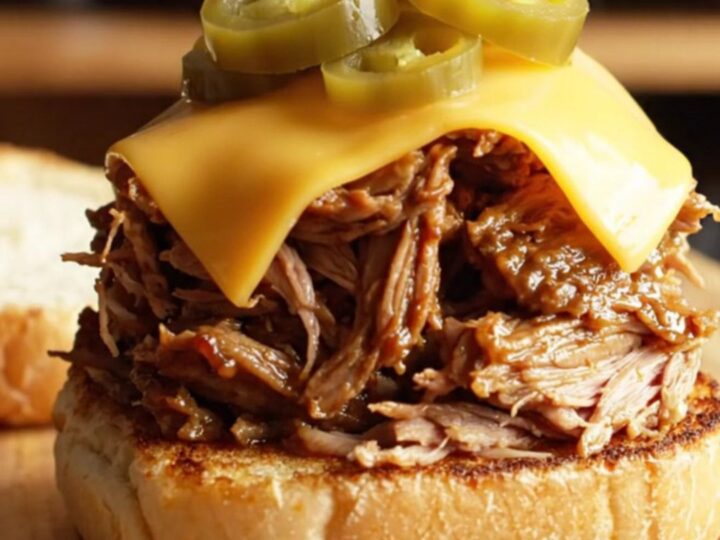
- Prep
- Cook
- Total
- Serves
- 8
This Crockpot Espresso Rubbed & Molasses BBQ Pulled Pork brings together two unexpected ingredients—coffee and molasses—to create a deeply savory, smoky-sweet bark that rivals any pitmaster's.
The espresso adds a dark, roasted bitterness that balances the sweetness of molasses and BBQ sauce, while the slow cooker transforms a tough pork butt into fork-tender shreds. With just a few minutes of prep, you can set it and forget it, then come back to a rich, caramelized sauce that clings to every strand of meat.
This recipe is all about layering bold flavors with minimal effort. A 4.5-pound pork butt gets coated in a fragrant rub of finely ground dark roast espresso, brown sugar, and chili powder, then slow-cooked low and slow with blackstrap molasses and smoky BBQ sauce. Over 8.5 hours on LOW, the coffee-infused bark softens into a glossy, sticky glaze, while the meat becomes so tender it pulls apart like butter.
The result is a rich, complex pulled pork that tastes like it spent hours over a wood fire, but actually comes together in your trusty Crockpot. Whether you're feeding a crowd or meal-prepping for the week, this recipe delivers big flavor with almost no hands-on time.
Ingredients
- 4 1/2 lb pork butt (shoulder)
Espresso Rub
- 3 tbsp finely ground dark roast espresso
- 2 tbsp brown sugar
- 1 tbsp chili powder
BBQ Sauce
- 1/2 cup blackstrap molasses
- 1 cup smoky BBQ sauce
For Serving
- 8 toasted brioche buns
- pickled jalapenos, for serving
- 8 oz smoked gouda cheese, sliced
Why this recipe works
The magic of this recipe lies in the combination of espresso and molasses. Espresso brings a deep, roasted bitterness and a subtle smokiness that enhances the pork's natural richness without making it taste like coffee. Molasses, on the other hand, adds a dark, caramelized sweetness and a slightly tangy edge that mimics the flavor of a traditional smokehouse barbecue sauce. Together, they create a bark that is both savory and sweet, with a complexity that keeps you coming back for another bite.
Slow cooking on LOW for 8.5 hours is the key to achieving that fall-apart tenderness. The low, steady heat breaks down the collagen in the pork shoulder, turning it into gelatin that keeps the meat moist and juicy.
As the pork cooks, the espresso and chili powder form a crust on the surface, which gradually softens and melds into the surrounding sauce. This dual process—bark formation and collagen breakdown—produces pulled pork that is both flavorful and fork-tender, with a texture that is impossible to achieve with faster cooking methods.
Notes and substitutions
Choose a well-marbled pork butt (also called pork shoulder) for the best results. The fat renders during cooking, basting the meat and keeping it moist. If your pork butt is larger or smaller than 4.5 pounds, adjust the cooking time accordingly—larger cuts may need an extra hour, while smaller cuts may finish earlier. Finely ground dark roast espresso is essential; avoid coarse grounds, which can be gritty. If you don't have espresso, use a dark roast coffee ground to an espresso-fine consistency.
Blackstrap molasses is the darkest and most robust variety, with a slightly bitter edge that pairs beautifully with the espresso. If you only have regular molasses, it will still work, but the flavor will be a bit milder.
Smoky BBQ sauce adds another layer of depth; choose a sauce that is not overly sweet, as the molasses already provides plenty of sweetness. For the buns, brioche is ideal for its soft, buttery texture, but any sturdy roll will hold up to the saucy pork. Smoked gouda melts beautifully and complements the smoky notes of the dish.
- blackstrap molasses: regular molasses or dark honey (reduce to 1/3 cup if using honey)
- smoky BBQ sauce: regular BBQ sauce plus 1/2 teaspoon liquid smoke
- brioche buns: hearty hamburger buns or slider rolls
- smoked gouda: sharp cheddar or provolone
Equipment
- 6-quart slow cooker (Crockpot)
- Small bowl for rub
- Two forks for shredding
- Cutting board
- Measuring cups and spoons
Up next · Part 2 of 3
7 steps · 8 h 30 min of cooking · what to look for at each stage
Step-by-step instructions (Part 2)