Dinner · Part 1 of 3: Ingredients
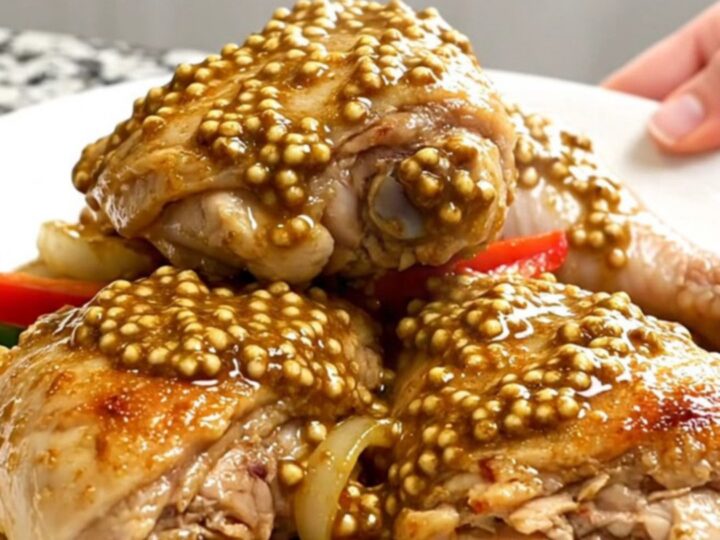
Slow Cooker Creole Mustard Chicken Thighs for Easy Weeknight Dinners
- Prep
- Cook
- Total
- Serves
- 6
Master the art of hands-off cooking with these Creole mustard chicken thighs. This recipe utilizes the gentle, steady heat of a slow cooker to transform simple ingredients into a succulent, restaurant-quality dinner that is perfect for busy weeknights when time is limited.
By focusing on minimal preparation and maximum flavor extraction, this method allows you to create a sophisticated meal without standing over a hot stove for hours. It is the ultimate solution for those who crave bold, savory results while maintaining a relaxed, stress-free schedule in the kitchen.
This dish focuses on the vibrant, tangy profile of Creole mustard paired with the natural sweetness of sautéed peppers and onions. By slow-braising the chicken, the flavors meld perfectly, creating a rich sauce that clings to every piece of poultry.
It is a straightforward approach to a complex-tasting meal, ideal for those who appreciate minimal preparation but demand high-quality results from their kitchen equipment. Whether you are hosting a casual dinner or simply looking to elevate your standard weeknight routine, this recipe delivers consistent, delicious outcomes every single time you prepare it for your family or guests.
Ingredients
Main Ingredients
- 6 boneless skinless chicken thighs
- 2 cups sliced bell peppers
- 1 large onion, sliced into half-moons
- 1 tbsp Cajun seasoning
- 1/2 cup Creole mustard
Why this recipe works
The slow cooker method is ideal for chicken thighs because it allows the connective tissues to break down slowly, resulting in a tender texture that is difficult to achieve with high-heat cooking. This gentle braising process ensures that the meat remains moist throughout the long cooking duration, preventing the dryness often associated with leaner cuts.
By maintaining a constant, low temperature, the slow cooker creates an environment where the chicken absorbs the surrounding aromatics, resulting in a deeply flavorful dish that feels like it has been simmering for an entire day.
By layering the vegetables on top of the chicken, they steam in the juices released during cooking. This preserves their structure while infusing them with the zesty notes of the Creole mustard. The mustard acts as a flavor anchor, balancing the heat from the Cajun spices and the sweetness of the onions.
This technique creates a harmonious balance between the acidity of the mustard and the savory depth of the chicken, ensuring that every component of the dish contributes to a cohesive and satisfying final result that is both comforting and exciting.
Notes and substitutions
Choose quality Creole mustard for the best result, as it provides the signature grainy texture and tangy flavor profile. If store-bought options are unavailable, a mix of Dijon and stone-ground mustard offers a comparable alternative that maintains the desired consistency and sharp, acidic bite. Always check the label to ensure the mustard meets your specific dietary needs, as some varieties may contain additional seasonings or additives that could alter the final flavor profile of your braised chicken dish.
Ensure the slow cooker insert is clean and properly seated before beginning the cooking process. While the recipe calls for specific amounts of peppers and onions, these can be adjusted slightly based on preference without compromising the integrity of the sauce or the cooking time required for the poultry. Using a variety of bell pepper colors can add visual appeal to the finished dish, while the onions provide a necessary sweetness that rounds out the sharp tang of the Creole mustard base.
- Creole mustard: A mixture of 1/4 cup Dijon mustard and 1/4 cup grainy stone-ground mustard.
- Cajun seasoning: A blend of paprika, garlic powder, onion powder, and cayenne pepper.
Equipment
- Slow cooker
- Chef's knife
- Cutting board
- Measuring cups
- Measuring spoons
Up next · Part 2 of 3
3 steps · 4 h of cooking · what to look for at each stage
Step-by-step instructions (Part 2)