Dinner · Part 1 of 3: Ingredients
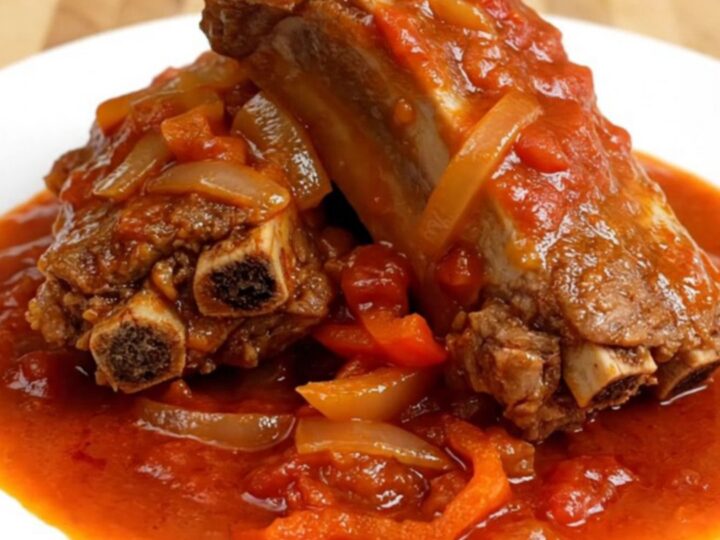
Slow Cooker Country-Style Ribs in Tomato Gravy
- Prep
- Cook
- Total
- Serves
- 4
Transform humble pork ribs into a restaurant-quality meal with minimal effort. This slow-cooked dish relies on the power of low heat to break down connective tissues, resulting in succulent meat that practically melts off the fork while soaking up all the savory goodness of a rich, tomato-based gravy.
This recipe for slow cooker country-style ribs is the ultimate solution for busy weeknights when you want a hearty, comforting dinner without spending hours in the kitchen. By combining simple, pantry-friendly ingredients like stewed tomatoes, onions, and basic seasonings with the slow, steady heat of a slow cooker, you create a complex, deep flavor profile that tastes like it simmered all day.
The natural juices from the peppers and onions meld with the tomato gravy, creating a delicious sauce that pairs perfectly with mashed potatoes, rice, or crusty bread to soak up every last drop of flavor.
Ingredients
Main
- 2 lb boneless country-style pork ribs
Vegetables
- 1 large yellow onion, sliced
- 1 large green bell pepper, sliced
Seasoning
- 1 tsp onion powder
- 1 tsp paprika
Sauce
- 28 oz canned stewed tomatoes
Why this recipe works
The slow cooker method is ideal for country-style ribs, which are often cut from the shoulder and contain enough intramuscular fat to stay moist during long cooking times. By cooking them on a low setting, the collagen gradually breaks down into gelatin, creating a luxurious mouthfeel that is impossible to achieve with high-heat methods. This slow transformation ensures that the meat remains tender and succulent throughout the entire process.
Layering the ingredients is a deliberate technique that maximizes flavor development and prevents the ribs from becoming dry. Placing the meat at the base allows it to cook directly in the rendered juices, while the vegetables on top act as a steaming rack, infusing the pork with aromatics and sweet, caramelized onion flavors.
As the stewed tomatoes release their liquid, they create a natural gravy that thickens slightly as it interacts with the pork proteins, resulting in a cohesive and deeply satisfying dish.
Notes and substitutions
When selecting country-style ribs, look for pieces that have a good amount of marbling. While these are often boneless, some versions may include small pieces of shoulder blade bone.
If you choose bone-in, the cooking time remains essentially the same, though the bone adds extra depth to the final gravy. Ensure the ribs are relatively uniform in size so they finish cooking at the same rate, preventing some pieces from becoming overcooked while others remain tough.
The choice of slow cooker matters. A standard oval 6-quart model is perfect for this recipe, as it allows the ribs to be arranged in a single layer. If using a smaller slow cooker, you may need to stack the ribs more tightly, which is acceptable but may require an extra hour of cooking time.
Avoid lifting the lid during the first five hours of cooking to maintain a consistent temperature and prevent the trapped steam from escaping, which is vital for the braising process.
- Green bell pepper: Red or yellow bell pepper for a sweeter flavor profile.
- Stewed tomatoes: Crushed tomatoes mixed with a tablespoon of tomato paste.
Equipment
- Slow cooker
- Chef's knife
- Cutting board
- Measuring spoons
- Large spoon
Up next · Part 2 of 3
4 steps · 6 h of cooking · what to look for at each stage
Step-by-step instructions (Part 2)