Dinner · Part 2 of 3: Instructions
Slow Cooker Coconut Curry Chickpea Stew Step-by-step instructions
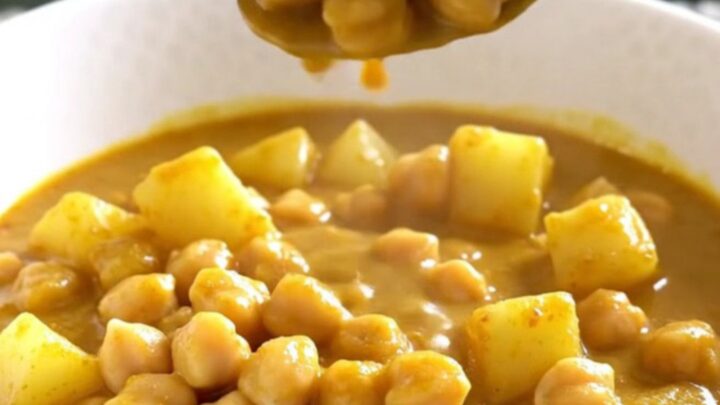
- Prep
- Cook
- Total
- Serves
- 4
Before you start
Before beginning, ensure your workspace is clean and organized. Peel the potatoes and cut them into uniform one-inch cubes, making sure they are roughly the same size so they cook through at the same time.
Rinse the canned chickpeas thoroughly in a colander under cold running water to remove the excess canning liquid, which can sometimes have a metallic taste. Measure out your curry powder and have the coconut milk ready. Ensure your slow cooker insert is clean and dry before you begin adding any ingredients to the base.
Ingredients at a glance (4)
- 3 cans chickpeas, drained and rinsed
- 3 cups potatoes, peeled and cubed
- 2 tbsp curry powder
- 1 can full-fat coconut milk
Instructions
Layering the Base
- Load the Slow CookerAdd the rinsed chickpeas and peeled potato cubes into the slow cooker basin. Ensure the ingredients are distributed evenly across the bottom of the insert to allow for uniform cooking throughout the process.Look for Vegetables should be in a single even layer.Tip Cut potatoes into uniform one-inch cubes to ensure they cook at the same rate.
At the end of this phase, the chickpeas and potatoes should be evenly distributed across the bottom of the slow cooker insert. This arrangement is critical for ensuring that the heat is distributed efficiently as the stew begins to cook.
Check that you have not overcrowded the cooker and that the vegetables are in a relatively level layer, which prevents uneven cooking and ensures that every piece of potato is exposed to the heat and the seasoning throughout the long cooking process.
Seasoning and Liquid
- Add Flavor and LiquidSprinkle the curry powder over the chickpeas and potatoes. Pour the coconut milk evenly over the top of the mixture. Do not stir at this stage, as the liquid will naturally distribute as it heats up.Look for Liquid should partially cover the vegetables.Tip Shake the coconut milk can well before opening to ensure the cream and water are emulsified.
Once you have added the curry powder and poured the coconut milk, the ingredients should look vibrant and aromatic. The curry powder should be distributed over the top of the vegetables, and the coconut milk should be starting to seep down into the crevices. Check that the coconut milk is not clumped; if it is, you can use a spoon to gently nudge it into the gaps between the vegetables. Do not stir, as keeping the ingredients layered helps with the initial heat penetration.
Slow Cooking
- Slow Cook and ServeCover the slow cooker with its lid and cook on the low setting for four hours or until the potatoes are fork-tender. Once finished, gently stir the stew to combine the sauce and serve warm in shallow bowls.Look for Potatoes should be tender when pierced with a fork.Tip Let the stew rest for five minutes after turning off the heat to allow the sauce to thicken slightly.
When the cooking time is complete, the stew should smell fragrant and the sauce should be thick and clinging to the vegetables. The potatoes should be tender and easily pierced with a fork. Give the stew a final, gentle stir to incorporate any spices that may have settled on the bottom. The final consistency should be creamy and consistent, with the curry sauce coating every chickpea and potato cube. If it seems too thick, you can stir in a splash of water or vegetable broth.
Common mistakes
A common mistake is using the wrong type of potato, such as a very starchy baking potato, which can disintegrate and thicken the sauce too much, turning the dish into a mash. Another error is failing to rinse the chickpeas; the canning liquid can add an unwanted saltiness or a cloudy texture to the final sauce.
Finally, avoid opening the lid frequently during the cooking process, as this releases heat and moisture, significantly increasing the total cooking time and potentially drying out the coconut milk sauce before the potatoes are fully cooked.
How to tell it’s done
The stew is finished when the potatoes are fork-tender, meaning a fork can easily pierce them without resistance. The sauce should be thickened, creamy, and fragrant. Because this recipe is plant-based, there are no internal temperature requirements for safety, but the overall heat should be sufficient to have softened all ingredients thoroughly.
The chickpeas should be soft but still hold their shape, and the sauce should have a uniform, golden color. If the potatoes still feel firm, continue cooking for an additional thirty minutes before checking again.
Up next · Part 3 of 3
2 variations · storage & make-ahead · 3 answers · printable card
Tips, FAQ & printable recipe (Part 3)← Back to the ingredients (Part 1)