Dinner · Part 1 of 3: Ingredients
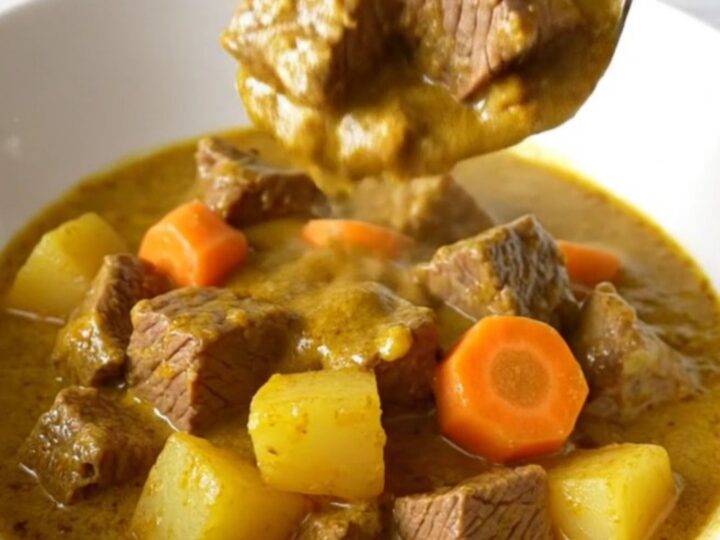
Slow Cooker Coconut Curry Beef and Potatoes
- Prep
- Cook
- Total
- Serves
- 4
Unlock the secret to a perfectly tender, aromatic curry without spending hours in the kitchen. This slow cooker recipe combines savory beef, earthy potatoes, and sweet carrots with a velvety coconut curry sauce for a meal that practically makes itself. Simply dump the ingredients into your slow cooker, set it, and return later to a house filled with the inviting scent of warm spices and creamy coconut, ready for a delicious dinner.
The beauty of this slow cooker coconut curry beef lies in its simplicity and deep, layered flavors. By slow-cooking the beef in a rich coconut milk base, the meat becomes exceptionally tender while absorbing the vibrant, aromatic notes of the curry powder.
This method allows the natural juices of the vegetables and the beef to meld together, resulting in a thick, cohesive sauce that coats every bite. It is an ideal solution for busy days when a wholesome, comforting meal is needed without the hassle of stovetop monitoring or constant stirring.
Ingredients
Main Ingredients
- 2 lb beef stew meat, cut into bite-size cubes
- 3 cups gold potatoes, cut into bite-size cubes
- 1 cup carrots, sliced into coins
Seasoning
- 2 tbsp curry powder
Liquid
- 1 can (13.5 oz) full-fat coconut milk
Why this recipe works
The slow cooking process is essential for breaking down the connective tissues in beef stew meat, transforming tougher cuts into succulent, melt-in-your-mouth bites. As the meat cooks gently over several hours, it releases savory juices that infuse the surrounding sauce with depth.
This low-and-slow approach ensures that the flavors of the curry powder are fully extracted and distributed, creating a harmonious balance that would be difficult to achieve with faster cooking methods.
Coconut milk provides a luxurious, creamy texture that acts as the perfect canvas for the curry spices. Unlike water or thin broths, the fat content in full-fat coconut milk prevents the sauce from becoming watery, resulting in a velvety finish that clings to the potatoes and carrots.
Because the slow cooker creates a sealed environment, the moisture remains trapped, ensuring the potatoes stay tender and the vegetables are perfectly cooked throughout the duration of the cycle.
Notes and substitutions
When selecting beef for this recipe, look for well-marbled stew meat that contains a good balance of lean muscle and fat. This fat will render during the long cooking time, contributing to the richness of the final sauce. While gold potatoes are recommended for their ability to hold their shape during the extended cooking period without turning mushy, russet potatoes can be used if they are cut into slightly larger chunks to withstand the heat.
The choice of curry powder can significantly influence the profile of the dish. A mild Madras or yellow curry powder works exceptionally well, providing a bright color and classic flavor.
If a bolder, spicier result is desired, consider adding a pinch of cayenne pepper or using a hot curry blend. Ensure the slow cooker insert is clean and dry before adding the ingredients, and always use fresh coconut milk for the best flavor and texture results.
- gold potatoes: Red potatoes or sweet potatoes can be used for a slightly different texture and flavor profile.
- coconut milk: Heavy cream or coconut cream can be substituted for a thicker, richer sauce consistency.
Equipment
- Slow cooker
- Chef's knife
- Cutting board
- Measuring spoons
- Measuring cups
Up next · Part 2 of 3
3 steps · 8 h of cooking · what to look for at each stage
Step-by-step instructions (Part 2)