Dinner · Part 2 of 3: Instructions
Slow Cooker Coconut Beef Rendang for Tender Results Step-by-step instructions
- Prep
- Cook
- Total
- Serves
- 4
Before you start
Before starting, ensure your beef chuck is trimmed of excess surface fat and cut into uniform 1-inch cubes. Having uniform sizes is crucial for even cooking. Prepare your shallots by peeling them and slicing them thinly to ensure they melt into the sauce during the long cooking duration.
Ensure your slow cooker is placed on a level, heat-resistant surface near a power outlet. Having all your ingredients measured and ready to go before you begin layering will make the assembly process seamless and quick, allowing you to get the slow cooker started with minimal effort.
Ingredients at a glance (4)
- 2 lbs beef chuck roast, cut into 1-inch cubes
- 4 medium shallots, thinly sliced
- 1 tbsp ground ginger
- 1 1/2 cups full-fat coconut milk
Instructions
Layering the Ingredients
- Assemble the IngredientsPlace the cubed beef into the bottom of the slow cooker insert. Evenly scatter the sliced shallots over the beef, sprinkle the ground ginger over the mixture, and pour the coconut milk over the top to coat everything evenly.Look for Ensure the liquid covers the meat base.Tip Layering the ingredients helps the flavors distribute as the coconut milk renders.
At the end of the assembly phase, the beef should be evenly distributed at the bottom of the slow cooker, topped with the shallots, ginger, and coconut milk. Ensure that the coconut milk has settled around the meat pieces. There is no need to stir the ingredients at this stage, as the slow cooking process will naturally integrate the flavors as the liquid heats up and begins to circulate around the beef during the initial hour.
Slow Cooking the Beef
- Slow Cook the RendangCover the slow cooker with its lid and set to the low heat setting. Allow the beef to cook undisturbed for 6 hours until the meat is extremely tender and the sauce has thickened significantly.Look for The sauce should be thick and dark.Tip Avoid lifting the lid frequently to maintain a consistent internal temperature.
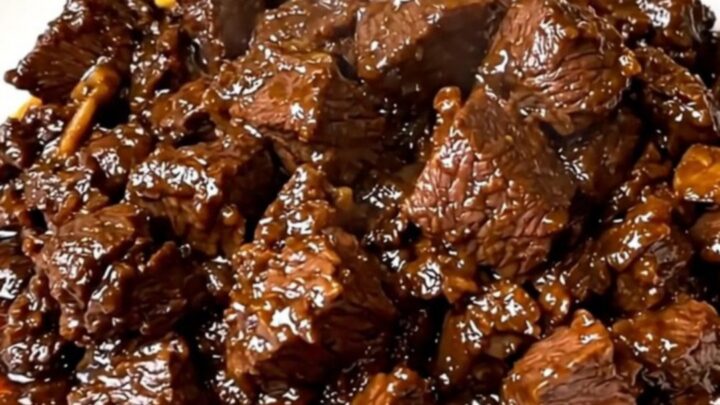
When the cooking phase is complete, the aroma in the kitchen should be rich and fragrant. The beef should look dark and glossy, and the sauce should have reduced significantly from its original volume. It should no longer look like a thin liquid, but rather a thick, clinging glaze. The shallots should have completely softened and incorporated into the sauce, creating a complex, savory base that smells deeply aromatic and slightly sweet from the coconut.
Resting and Serving
- Final Check and ServeVerify the beef is cooked through to at least 145°F (63°C) and check that the sauce coats the meat properly. Let the beef rest for at least 5 minutes before serving to ensure the best texture.Look for The meat should pull apart easily with a fork.Safe temperature 145°F (63°C) internal temperature (steaks, chops and roasts)Tip Serve while steaming hot for the best aromatic experience.
Before serving, the meat should be allowed to rest for at least 5 minutes. This brief period allows the juices within the meat to redistribute, ensuring that each bite is as succulent as possible.
When you stir the rendang after the rest, the sauce should hold onto the beef pieces firmly. Check that the meat pulls apart easily with a fork; if it feels resistant, the beef requires more time, but at this stage, it should be perfectly tender and ready for plating.
Common mistakes
A common mistake is using coconut milk with insufficient fat content, which will not provide the necessary richness to create a thick sauce. Another error is cutting the beef into pieces that are too large, which will prevent them from becoming tender within the suggested cooking time.
Additionally, lifting the lid too often releases steam and heat, which can significantly delay the cooking process and result in a thinner, less concentrated sauce. Always resist the urge to peek during the final hour of cooking to ensure the best results.
How to tell it’s done
The beef rendang is considered done when the meat is fork-tender, meaning it can be easily pulled apart with minimal pressure. The sauce should have thickened into a rich, dark, and glossy consistency that coats the beef thoroughly.
Using a meat thermometer, ensure the beef has reached an internal temperature of at least 145°F (63°C). Because this is a long-cooked stew, the meat will likely be well beyond this minimum, reaching a state where the fibers have fully relaxed and absorbed the aromatic coconut sauce.
- Steaks, chops and roasts: 145°F (63°C) in the thickest part, then a 3-minute rest
Up next · Part 3 of 3
2 variations · storage & make-ahead · 3 answers · printable card
Tips, FAQ & printable recipe (Part 3)← Back to the ingredients (Part 1)