Dinner · Part 1 of 3: Ingredients
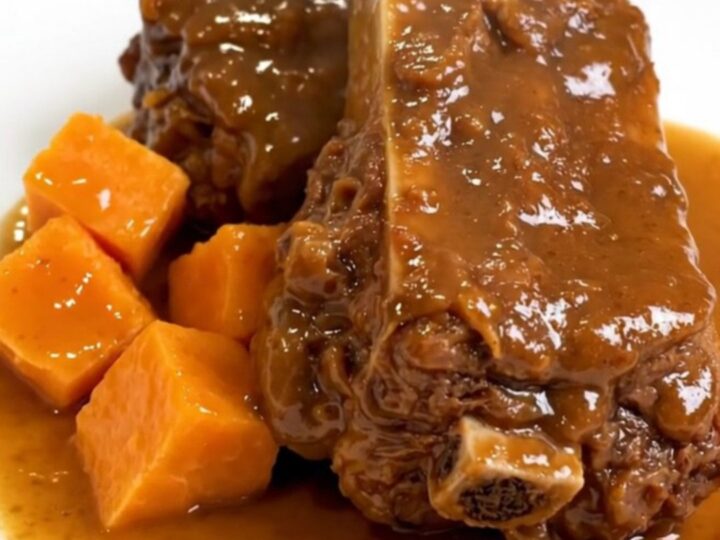
Slow Cooker Cinnamon Sweet Potato Country Ribs
- Prep
- Cook
- Total
- Serves
- 4
This slow cooker recipe turns simple boneless country ribs into a fall-apart tender dinner with a sweet, buttery cinnamon sauce. Sweet potatoes soak up the juices and become meltingly soft.
Just layer the ingredients, set the crockpot, and come back to a meal that tastes like it simmered all day—because it did. The sauce is thick enough to coat each bite, and the cinnamon adds warmth without overpowering the pork. Perfect for busy weeknights or a cozy Sunday supper.
Country-style pork ribs are meaty, boneless cuts that become incredibly tender when braised slowly. Here they cook with sweet potatoes, cinnamon sugar, and butter in a slow cooker, creating a rich, lightly sweet sauce that clings to every piece.
The hands-on time is about ten minutes, then the crockpot does the rest. This is an easy, no-fuss dinner that delivers deep flavor and comfort. Serve the ribs and sweet potatoes with plenty of the cinnamon butter sauce spooned over the top.
Ingredients
- 2 lb boneless country-style pork ribs
- 2 medium sweet potatoes, peeled and cut into 1-inch chunks
- 1/4 cup cinnamon sugar
- 4 tbsp unsalted butter, cut into pats
Why this recipe works
Slow cooking breaks down the connective tissue in country-style ribs, turning them from chewy to fork-tender. The low heat and long cooking time allow the meat to absorb the cinnamon and butter flavors while staying moist.
Because the ribs are boneless, they are easy to handle and serve, and they soak up seasonings well. The sweet potatoes cook alongside, becoming soft and slightly caramelized in the buttery sauce.
Cinnamon sugar and butter create a sauce that is both sweet and savory, balancing the natural richness of the pork. The butter adds a silky mouthfeel, while the cinnamon gives a warm, aromatic note that pairs beautifully with sweet potatoes. Cooking everything in one pot means the flavors meld together without extra dishes. The result is a comforting, hearty dish that feels special but requires minimal effort.
Notes and substitutions
Country-style ribs are sold boneless or bone-in; this recipe uses boneless for easy serving. If using bone-in, adjust cooking time slightly and remove bones before serving. Sweet potatoes should be peeled and cut into even chunks so they cook at the same rate.
Cinnamon sugar is available in the baking aisle, or you can mix your own with ground cinnamon and granulated sugar. Use unsalted butter to control the salt level, but salted butter works in a pinch.
A 4 to 6 quart slow cooker is ideal for this quantity. If your slow cooker runs hot, check for doneness at the lower end of the time range. The dish is forgiving—if the meat is not tender, continue cooking until it is. Leftovers keep well and taste even better the next day. For a thicker sauce, let it cool slightly or remove the meat and simmer the sauce on the stovetop for a few minutes.
- boneless country-style pork ribs: pork shoulder or pork butt, cut into 2-inch chunks
- sweet potatoes: regular potatoes or carrots
- cinnamon sugar: 2 tbsp granulated sugar mixed with 1 tsp ground cinnamon
- unsalted butter: salted butter (reduce added salt elsewhere)
Equipment
- Slow cooker (4-6 quart)
- Cutting board
- Chef's knife
- Vegetable peeler
- Measuring cups
- Measuring spoons
- Tongs
- Serving plate
Up next · Part 2 of 3
7 steps · 6 h of cooking · what to look for at each stage
Step-by-step instructions (Part 2)