Dinner · Part 3 of 3: Tips & recipe card
Slow Cooker Chorizo Corn Chowder Tips, FAQ & printable recipe

- Prep
- Cook
- Total
- Serves
- 6
Tips for success
For an extra layer of flavor, consider briefly sautéing the chorizo in a pan before adding it to the slow cooker to render some of the fat.
This step is optional but can intensify the smoky profile of the chowder significantly. Always remember to drain any excess grease if you choose to pre-cook the meat, keeping the chowder balanced.
If you prefer a thicker chowder, you can mash a few of the cooked potato cubes against the side of the slow cooker insert before serving.
This releases more starch into the broth, creating a creamier base without the need for additional dairy. This simple technique adds body and richness to the dish, making it feel even more substantial and satisfying.
Variations
- Spicy Chorizo Chowder: Add a diced jalapeño or a teaspoon of red pepper flakes during the layering phase to introduce a pleasant heat that complements the smoky chorizo perfectly.
- Garden Vegetable Twist: Incorporate diced carrots and celery along with the potatoes to add extra color, sweetness, and a pleasant crunch to the final chowder profile.
Storage and make-ahead
- Fridge
- Store in an airtight container in the refrigerator for up to 3 days.
- Freezer
- Freeze in a freezer-safe container for up to 2 months. Thaw in the refrigerator before reheating.
- Reheat
- Reheat on the stovetop over medium-low heat, stirring occasionally, until hot throughout.
Allow the chowder to cool completely within two hours before transferring it to an airtight container. Keep the container in the refrigerator to maintain freshness.
The flavors often improve after a day, making this an excellent dish for leftovers. Ensure the container is sealed tightly to prevent the absorption of other odors from the refrigerator.
This recipe is perfect for preparing in advance as the flavors continue to meld beautifully overnight. Simply follow the cooking steps, let the chowder cool, and store it in the refrigerator.
When ready to eat, gently reheat it on the stovetop or in the slow cooker until it is piping hot, adjusting the consistency with a splash of broth if necessary.
Serving ideas
Serve the chowder in large, warmed bowls to maintain its temperature for as long as possible. A simple garnish of fresh herbs or a crusty piece of bread on the side makes for a complete and comforting meal. The creamy texture pairs exceptionally well with a side of toasted sourdough or a light, crisp green salad.
Because this is a hearty dish, it serves well as a main course for lunch or dinner. If serving for a larger group, provide a variety of toppings such as shredded cheddar, chopped green onions, or a dollop of sour cream, allowing guests to customize their bowls to their own personal taste preferences.
Frequently asked questions
Can this be made in a pressure cooker?
Why is the chowder too thin?
Is it possible to use frozen potatoes?
Slow Cooker Chorizo Corn Chowder

Ingredients
- 12 oz smoked chorizo, sliced into coins
- 2 cups corn kernels, fresh or frozen
- 3 cups red potato cubes
- 1 tsp smoked paprika
- 4 cups creamy broth
Instructions
- Place the sliced smoked chorizo at the bottom of the slow cooker insert to create a flavorful foundation for the chowder.
- Scatter the corn kernels and red potato cubes over the chorizo. Evenly sprinkle the smoked paprika over the top of the vegetables.
- Pour the creamy broth over the ingredients in the slow cooker. Cover with the lid and cook on low for 4 hours until the potatoes are tender.
- Once the cooking time is complete, stir the chowder gently to combine the ingredients into a thick, creamy consistency. Serve immediately while hot.
Estimated nutrition per serving
- Calories
- 420
- Protein
- 18.5 g
- Carbohydrates
- 32 g
- Fat
- 24 g
- Fiber
- 3.5 g
- Sugar
- 4 g
- Sodium
- 850 mg
Next recipe
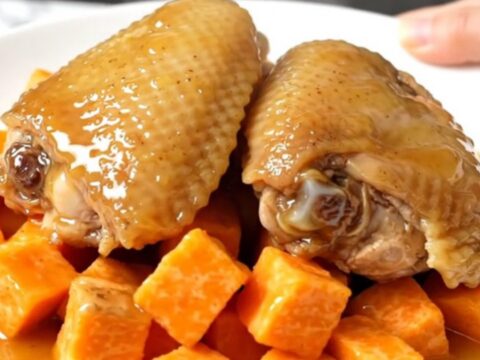
Slow Cooker Honey Cinnamon Chicken and Sweet Potatoes
See the recipe → →This recipe is based on a short cooking video and is published under the pen name Clara Weller. It was checked before publication, but errors can slip through. Nutrition, when shown, is an estimate. Read more in our editorial policy and on our food safety page.
More recipes to try

Slow Cooker Sausage and Green Bean Stuffing Bake
Total time: 4 h 15 min
Slow Cooker Raspberry BBQ Baby Back Ribs
Total time: 6 h 15 min
Baked Feta Smoked Sausage Pasta for Easy Weeknight Dinners
Total time: 45 min
Hearty Crockpot Lentil Chili for Easy Dinners
Total time: 4 h 10 min
Slow Cooker Dill Pickle Sausage and Potatoes
Total time: 4 h 15 min