Dinner · Part 3 of 3: Tips & recipe card
Slow Cooker Chickpea and Autumn Vegetable Stew Tips, FAQ & printable recipe

- Prep
- Cook
- Total
- Serves
- 4
Tips for success
For a deeper flavor, consider sautéing the carrots and squash in a pan with a little oil before adding them to the slow cooker, although this is optional. This extra step helps to caramelize the edges of the vegetables, adding a layer of complexity to the final stew.
If you prefer a thicker consistency, you can mash a small portion of the chickpeas against the side of the slow cooker after the cooking time is complete.
Balancing the flavors is key to a successful stew. If the tomato coulis is particularly acidic, a small pinch of sugar can help balance the profile. Taste the stew just before serving and adjust the seasoning with salt or pepper as needed. Serving the stew in warmed bowls can also help maintain the temperature for longer, making the meal even more enjoyable during colder months.
Variations
- Spicy Chickpea Stew: Add a teaspoon of crushed red pepper flakes or a dash of cayenne pepper along with the paprika to introduce a subtle heat that complements the sweetness of the squash.
- Herb-Infused Stew: Incorporate a tablespoon of dried herbs such as thyme or rosemary during the assembly phase to add an earthy, aromatic dimension that pairs perfectly with the root vegetables.
Storage and make-ahead
- Fridge
- Store in an airtight container for up to 3 days.
- Freezer
- Freeze in a freezer-safe container for up to 2 months.
- Reheat
- Reheat on the stovetop over medium heat until piping hot throughout.
Allow any leftovers to cool to room temperature for no more than two hours before transferring them to an airtight container. Properly stored, the stew will maintain its quality in the refrigerator for up to three days.
When reheating, ensure the stew is heated thoroughly until piping hot throughout. If the stew thickens significantly in the fridge, add a small amount of water or vegetable broth during the reheating process to restore the desired consistency.
This stew is an excellent candidate for making ahead, as the flavors often deepen and improve after sitting for a day. Simply follow the cooking instructions, allow the stew to cool completely, and store it in the refrigerator.
Reheat gently on the stovetop or in the microwave when ready to serve. Making it in advance is a great way to simplify meal planning for busy weekdays, as the quality remains consistent even after chilling and reheating.
Serving ideas
Serve this stew hot in deep, wide bowls to showcase the vibrant colors of the vegetables and the rich tomato sauce. It pairs beautifully with a side of crusty bread or toasted baguette, which is perfect for soaking up the remaining sauce at the bottom of the bowl. For a refreshing contrast, consider a light side salad with a vinaigrette dressing to balance the heartiness of the stew.
If desired, a sprinkle of fresh herbs like parsley or cilantro can be added just before serving to provide a bright, aromatic finish.
A dollop of plain Greek yogurt or a drizzle of high-quality olive oil can also add a touch of creaminess and richness to each serving. These small additions can elevate the presentation and provide a wonderful textural contrast to the tender vegetables and chickpeas.
Frequently asked questions
Can this stew be cooked on high instead of low?
What is the best way to prevent the vegetables from becoming mushy?
Is it necessary to peel the squash?
Slow Cooker Chickpea and Autumn Vegetable Stew

Ingredients
- 2 cans cooked chickpeas, drained and rinsed
- 2 cups cubed squash
- 2 large sliced carrots
- 1 tsp sweet paprika
- 2 cups tomato coulis
Instructions
- Place the drained and rinsed chickpeas into the bottom of the slow cooker insert. Distribute the cubed squash and sliced carrots evenly over the top of the chickpeas to ensure balanced cooking.
- Sprinkle the sweet paprika over the vegetables. Pour the tomato coulis carefully over the ingredients, ensuring the vegetables are mostly covered by the liquid to allow them to simmer effectively.
- Cover the slow cooker with its lid. Set to low heat and cook for four hours until the vegetables are tender. Once cooked, give the stew a gentle stir to incorporate the flavors before serving hot in bowls.
Estimated nutrition per serving
- Calories
- 280
- Protein
- 9.5 g
- Carbohydrates
- 45 g
- Fat
- 3 g
- Fiber
- 12 g
- Sugar
- 8 g
- Sodium
- 450 mg
Next recipe
Slow Cooker Lamb and Sweet Potato Mafé
See the recipe → →This recipe is based on a short cooking video and is published under the pen name Clara Weller. It was checked before publication, but errors can slip through. Nutrition, when shown, is an estimate. Read more in our editorial policy and on our food safety page.
More recipes to try
Easy Slow Cooker Cod Bourride with Creamy Aioli
Total time: 2 h 10 min
Hearty Slow Cooker Potée Berrichonne with Smoked Sausage
Total time: 4 h 15 min
Slow Cooker Lamb Neck with Chickpeas for an Easy Dinner
Total time: 8 h 15 min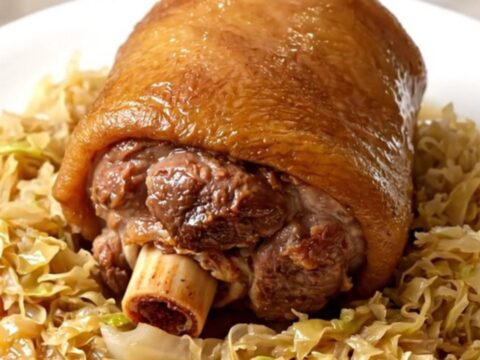
Slow Cooker Pork Shank with Sauerkraut
Total time: 8 h 10 min
Slow Cooker White Wine and Tarragon Rabbit
Total time: 4 h 15 min