Dinner · Part 1 of 3: Ingredients
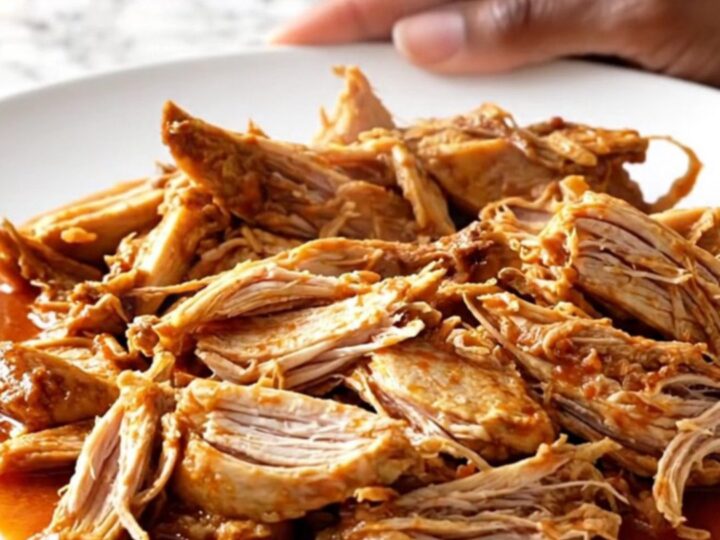
Slow Cooker Chicken Ropa Vieja for an Easy Dinner
- Prep
- Cook
- Total
- Serves
- 4
Bring the vibrant, comforting flavors of classic Ropa Vieja to your kitchen with this simplified slow cooker method. By combining fresh vegetables, aromatic spices, and lean chicken, this dish delivers a deeply satisfying meal without the need for constant supervision.
It is an ideal solution for those who appreciate a home-cooked dinner that practically prepares itself while the day unfolds, leaving you with tender, flavor-infused results every single time you decide to use your slow cooker.
This chicken Ropa Vieja recipe relies on the gentle, steady heat of a slow cooker to transform simple ingredients into a complex, savory meal. By layering the chicken with peppers, onions, and olives, the flavors meld perfectly during the long, slow cook time.
The tomato sauce creates a rich, thick base that coats every shred of chicken, making it a versatile main dish. Whether served over rice or accompanied by warm tortillas, this meal is designed to be approachable and consistently delicious for any weeknight dinner situation.
Ingredients
Main Ingredients
- 1.5 lb skinless chicken breasts
Vegetables
- 2 cups sliced bell peppers
- 1 cup sliced onion
- 1/2 cup green olives
Seasoning
- 1 tsp ground cumin
- 1 tsp dried oregano
Sauce
- 2 cups tomato sauce
Why this recipe works
The slow cooking method is essential for this recipe because it allows the tough protein fibers in the chicken breasts to break down gradually in the presence of acidic tomato sauce. This process ensures the meat remains moist and tender rather than drying out, which can happen with faster cooking methods. As the chicken cooks, it absorbs the aromatic notes of cumin and oregano, while the vegetables soften into the sauce, creating a harmonious blend of textures.
Furthermore, the layering technique is critical for success in a slow cooker. By placing the chicken at the bottom, it stays submerged in the juices and sauce throughout the duration of the cooking cycle.
The peppers and onions, placed on top, steam in the rising heat, preserving their shape while contributing sweetness to the sauce. This organized approach ensures that each ingredient is cooked to its ideal texture, resulting in a cohesive dish where every bite is well-balanced.
Notes and substitutions
When selecting ingredients, choose firm bell peppers and fresh onions for the best results. The variety of pepper—whether red, yellow, or green—will slightly alter the sweetness of the final sauce.
For the green olives, pimento-stuffed varieties work best as they add a necessary tang that cuts through the richness of the tomato sauce. Ensure the tomato sauce used is plain, as seasoned varieties might clash with the specific cumin and oregano profile established in this recipe.
Regarding equipment, any standard oval or round slow cooker with a capacity of at least 4 quarts is suitable. If the slow cooker has a particularly high heat setting, keep a close watch toward the end of the cooking time to prevent the sauce from reducing too much or burning at the edges. A pair of sturdy forks is the only specialized tool needed for shredding, though meat claws can also be used if preferred for a faster process.
- green olives: capers for a similar salty, briny punch
- chicken breasts: boneless chicken thighs for a juicier result
Equipment
- slow cooker
- knife
- cutting board
- measuring cups
- measuring spoons
- two forks for shredding
Up next · Part 2 of 3
3 steps · 6 h of cooking · what to look for at each stage
Step-by-step instructions (Part 2)