Dinner · Part 2 of 3: Instructions
Slow Cooker Chicken Rogan Josh for Easy Weeknight Dinners Step-by-step instructions
- Prep
- Cook
- Total
- Serves
- 4
Before you start
Before starting, ensure your slow cooker is positioned on a level surface away from the edge of the counter. Prepare your chicken by checking for any excess fat and trimming it if necessary.
Slice your yellow onion uniformly to ensure it cooks through at the same rate as the chicken. Have your spice mix and tomato purée measured and ready to go for a seamless assembly process that takes less than ten minutes to complete.
Ingredients at a glance (4)
- 2 lb boneless, skinless chicken thighs
- 1 large yellow onion, sliced
- 2 tbsp rogan josh spice mix
- 1 cup tomato purée
Instructions
Preparation and assembly
- Assemble the ingredientsPlace the raw chicken thighs into the basin of the slow cooker. Scatter the sliced onions evenly over the chicken pieces to ensure even cooking and flavor distribution throughout the dish.Look for The chicken should be arranged in a single layer if possible for even heat exposure.Tip Ensure the slow cooker basin is clean and dry before adding the ingredients.
At this stage, your slow cooker basin should contain the raw chicken, sliced onions, spices, and tomato purée. Everything is layered and ready to begin the gentle cooking process. Ensure the lid is securely in place to lock in the heat and aromatics before you initiate the slow cooker on the low setting.
Slow cooking process
- Season and add liquidSprinkle the rogan josh spice mix over the chicken and onions. Pour the tomato purée over the top, ensuring it covers the spices and onions to begin creating the savory base.Look for Ensure the spices are distributed across the surface rather than clumped in one spot.Tip Use a spatula if needed to gently spread the tomato purée to the edges.
During the cooking phase, the kitchen will begin to fill with the warm, spicy aroma of the rogan josh blend. The onions will soften significantly, and the tomato purée will break down and integrate with the spices.
The chicken will slowly release its juices, which combine with the other ingredients to form a rich, savory sauce.
Final resting and serving
- Slow cook and serveCover and cook on low for 4 to 6 hours. Once the chicken reaches an internal temperature of 165°F (74°C), turn off the heat and let it rest for 5 minutes before serving.Look for The chicken should be fork-tender and the sauce thickened and fragrant.Safe temperature 165°F (74°C) internal temperature (poultry)Tip Check the internal temperature at the thickest part of the largest piece.
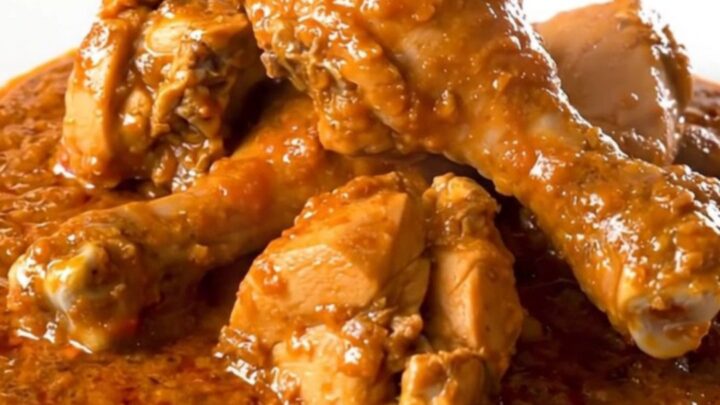
Once the cooking time is complete, the chicken should be tender and fully cooked. Let the dish rest for five minutes off the heat, which allows the sauce to settle and the flavors to unify. The final result should be a cohesive, aromatic dish with tender meat and a thick, flavorful sauce ready for serving.
Common mistakes
A common mistake is overcrowding the slow cooker, which can prevent the chicken from cooking evenly or lead to excessive liquid buildup. Another error is failing to ensure the spices are evenly distributed; clumps of spice can lead to inconsistent flavor profiles in the finished dish.
Additionally, avoid lifting the lid frequently during the cooking process, as this releases heat and moisture, significantly extending the required cooking time and potentially affecting the final texture of the sauce.
How to tell it’s done
The dish is perfectly done when the chicken is exceptionally tender and pulls apart easily with a fork. The internal temperature must reach at least 165°F (74°C) to ensure it is safe to eat.
The sauce should be glossy, thickened, and aromatic, having reduced slightly to coat the back of a spoon. If the sauce appears too thin, you can remove the lid for the final thirty minutes of cooking to allow for further reduction.
- Poultry: 165°F (74°C) in the thickest part
Up next · Part 3 of 3
2 variations · storage & make-ahead · 3 answers · printable card
Tips, FAQ & printable recipe (Part 3)← Back to the ingredients (Part 1)