Dinner · Part 1 of 3: Ingredients
Slow Cooker Chicken Jalfrezi for a Quick Weeknight Dinner
- Prep
- Cook
- Total
- Serves
- 4
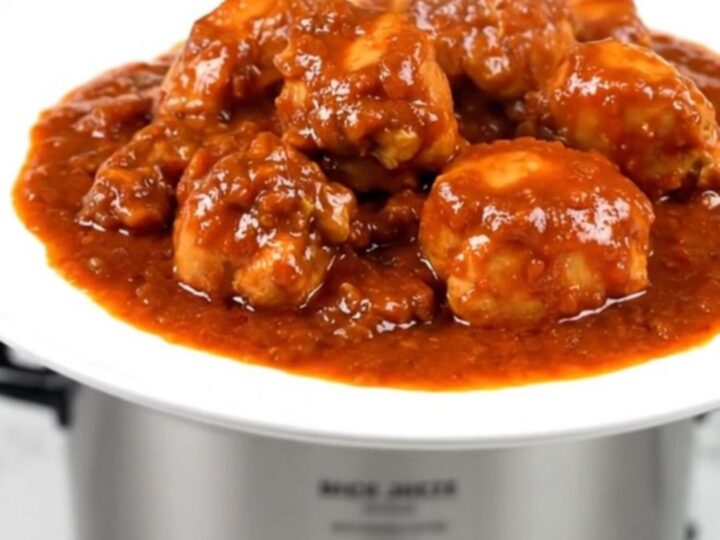
Simplify your dinner routine with this vibrant and aromatic slow cooker chicken jalfrezi. By leveraging the low-and-slow cooking method, this recipe achieves deep, complex flavors while requiring minimal hands-on time from the cook.
It is an ideal choice for busy weeknights when a comforting, restaurant-quality meal is desired without the stress of constant monitoring or complex techniques. Simply combine the ingredients, set the timer, and let the appliance do the heavy lifting while you focus on your evening.
Chicken jalfrezi is a beloved dish known for its bold, spicy, and tangy profile. This version adapts the traditional technique for a slow cooker, allowing the chicken thighs to become exceptionally tender while absorbing the rich tomato and spice base.
The addition of bell peppers and onions provides a necessary crunch and sweetness that contrasts perfectly with the savory sauce. Whether serving it for a casual family meal or a small gathering, this recipe offers a reliable way to bring authentic, warming flavors to the table with ease and consistency every single time.
Ingredients
Main Ingredients
- 2 lb boneless skinless chicken thighs, cut into bite-sized pieces
- 2 cups bell peppers, sliced into strips
- 1 large yellow onion, sliced
- 2 tbsp jalfrezi spice blend
- 2 cups tomato pulp
Why this recipe works
The slow cooking process is essential for breaking down the connective tissues in chicken thighs, resulting in a succulent texture that remains moist even after hours of heating. By cooking the meat directly in the tomato pulp and spice base, the chicken absorbs the flavors deeply, ensuring that every bite is infused with the savory essence of the jalfrezi spices. This method creates a self-basting environment that prevents the meat from drying out.
Cooking the bell peppers and onions within the tomato sauce allows them to soften and sweeten, releasing their natural juices into the dish. This creates a harmonious blend of textures and flavors that would be difficult to achieve with quicker cooking methods.
The slow, steady heat ensures that the spices bloom properly, providing a full-bodied depth that characterizes a true jalfrezi, making the entire preparation process incredibly efficient and rewarding for any home cook.
Notes and substitutions
For the best results, use boneless skinless chicken thighs as they maintain their structure and flavor better than breasts during the long cook time. If using spice blends, verify that the mix does not contain excessive salt, as you may need to adjust the seasoning at the end.
The tomato pulp should be smooth or lightly crushed to provide the right consistency for the sauce, acting as the primary liquid base that prevents the ingredients from burning.
A standard oval slow cooker is ideal for this recipe as it allows for an even distribution of ingredients. Ensure that the lid fits tightly to trap the moisture and heat, which is vital for the proper cooking of the chicken. If you prefer a thinner sauce, you can add a splash of water or broth, but the tomato pulp typically releases enough liquid to create a perfectly thick and glossy coating for the chicken and vegetables.
- chicken thighs: boneless skinless chicken breasts
- bell peppers: any variety of sweet peppers
Equipment
- Slow cooker
- Chef knife
- Cutting board
- Measuring cups
- Measuring spoons
Up next · Part 2 of 3
3 steps · 4 h of cooking · what to look for at each stage
Step-by-step instructions (Part 2)