Dinner · Part 1 of 3: Ingredients
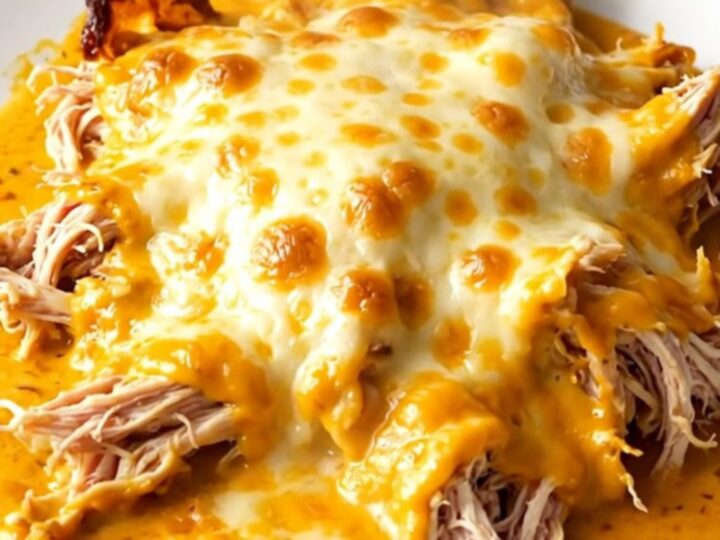
Slow Cooker Cheesy Queso Fundido Chicken
- Prep
- Cook
- Total
- Serves
- 4
Elevate your dinner routine with this effortless slow cooker recipe that combines succulent chicken with savory chorizo and a rich, velvety cheese sauce. This dish offers a sophisticated flavor profile that requires minimal preparation, making it an ideal choice for busy households seeking comfort food without the hours of active cooking time.
The magic of this slow cooker queso fundido chicken lies in the simplicity of the process. By layering raw chicken with high-quality chorizo, classic taco seasoning, and a block of cream cheese, the slow cooker transforms these components into a luxurious, cohesive meal.
The gentle heat allows the ingredients to meld together, creating a depth of flavor that is typically reserved for stovetop recipes that require constant attention. This dish is designed to be served hot, directly from the slow cooker, ensuring that the cheese remains perfectly melted and creamy until the very last bite.
Ingredients
Main Ingredients
- 2 lb boneless skinless chicken breasts
- 8 oz fresh Mexican chorizo, cooked
- 1 packet taco seasoning
- 8 oz cream cheese, block style
Topping
- 1 cup shredded Monterey Jack cheese
Why this recipe works
The slow cooking method is essential because it allows the chicken breasts to remain incredibly moist while absorbing the intense, smoky flavors of the chorizo. As the chicken cooks, it releases natural juices that combine with the melting cream cheese, resulting in a rich sauce that coats every strand of meat perfectly.
This process ensures that the protein remains tender enough to shred effortlessly, while the taco seasoning penetrates the meat deeply for consistent flavor in every mouthful.
Furthermore, the layering technique is crucial for achieving the desired texture. By placing the chicken at the bottom and the cream cheese on top, the cheese slowly melts down through the layers, infusing the dish with richness as the chicken cooks.
This controlled approach prevents the sauce from breaking or separating, which can often happen with high-heat cooking methods. The final addition of Monterey Jack provides a beautiful, bubbly finish that adds an extra layer of texture and visual appeal to the finished plate.
Notes and substitutions
For the best results, use fresh, high-quality chicken breasts and authentic Mexican-style chorizo. Mexican chorizo is distinct from Spanish chorizo because it is a raw, loose sausage meat that cooks down into a flavorful, oil-rich base, which is vital for the sauce. If you cannot find fresh chorizo, ensure that the sausage used is a raw variety that provides a similar depth of spice and fat, which is necessary to balance the richness of the cream cheese.
The choice of equipment is straightforward, but ensure your slow cooker insert is clean and free of residue before starting. The recipe relies on a standard slow cooker size that allows the ingredients to sit comfortably without being overcrowded.
If you prefer a slightly thinner sauce, you can add a splash of chicken broth, but the moisture from the chicken and the cream cheese is generally sufficient for a thick, dip-like consistency that is ideal for serving alongside warm tortillas.
- Monterey Jack cheese: Pepper Jack cheese for extra heat or mild cheddar cheese
- Mexican chorizo: Ground breakfast sausage seasoned with chili powder and cumin
Equipment
- slow cooker
- shredding forks
- cutting board
Up next · Part 2 of 3
3 steps · 4 h of cooking · what to look for at each stage
Step-by-step instructions (Part 2)