Dinner · Part 3 of 3: Tips & recipe card
Slow Cooker Brown Sugar Garlic Pork Loin with Carrots Tips, FAQ & printable recipe
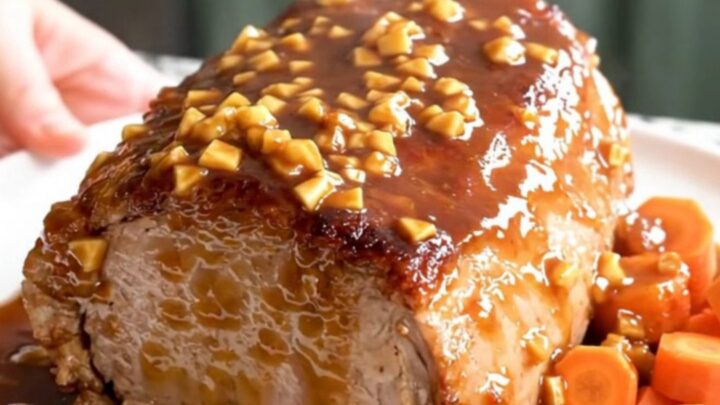
- Prep
- Cook
- Total
- Serves
- 6
Tips for success
If you find the sauce is too thin after the cooking process, you can remove the pork and carrots, then simmer the remaining liquid in a small saucepan over medium heat on the stove for a few minutes.
This will reduce the sauce and create a thicker, more syrupy glaze that you can drizzle over the sliced pork before serving.
For added flavor, you can sear the pork loin in a hot skillet with a little oil before placing it in the slow cooker. This step is optional but helps build a deeper, more complex crust on the exterior of the meat.
If you choose to sear, make sure the skillet is very hot and sear for only a minute on each side to avoid overcooking.
Variations
- Spicy Garlic Pork: Add a tablespoon of red chili flakes or a dash of hot sauce to the garlic soy sauce mixture for a kick of heat that complements the sweetness of the brown sugar.
- Herb-Infused Pork: Tuck a few sprigs of fresh rosemary or thyme around the pork loin before cooking to infuse the meat and carrots with a fragrant, earthy aroma that balances the soy sauce.
Storage and make-ahead
- Fridge
- Store in an airtight container for up to 3 days.
- Freezer
- Freeze in a freezer-safe container for up to 2 months.
- Reheat
- Reheat gently in the microwave or on the stove until warmed through.
Store any leftovers in an airtight container in the refrigerator for up to 3 days. Ensure the pork is covered with some of the cooking liquid to keep it from drying out. When storing, allow the food to cool to room temperature for no more than 2 hours before placing it in the fridge to maintain safety and quality.
You can prepare the ingredients in the slow cooker insert the night before, cover, and refrigerate. In the morning, simply place the insert into the slow cooker base and start the cooking process. This is an excellent way to ensure a hot dinner is ready when you return home without needing to prep in the morning.
Serving ideas
Serve the sliced pork loin alongside the braised carrots, spooning a generous amount of the thickened pan sauce over both.
This dish pairs beautifully with a side of steamed rice, mashed potatoes, or a crusty piece of bread to soak up the delicious garlic and brown sugar glaze left in the bottom of the slow cooker.
Consider serving with a side of roasted green vegetables or a simple garden salad to add a fresh, crisp element that contrasts with the savory, tender pork.
The sweetness of the carrots and the depth of the soy sauce make this a versatile main course that works well for both casual family dinners and more formal gatherings.
Frequently asked questions
Can this be made with a different cut of meat?
How can the sauce be thickened if it is too runny?
Is it necessary to brown the pork before slow cooking?
Slow Cooker Brown Sugar Garlic Pork Loin with Carrots
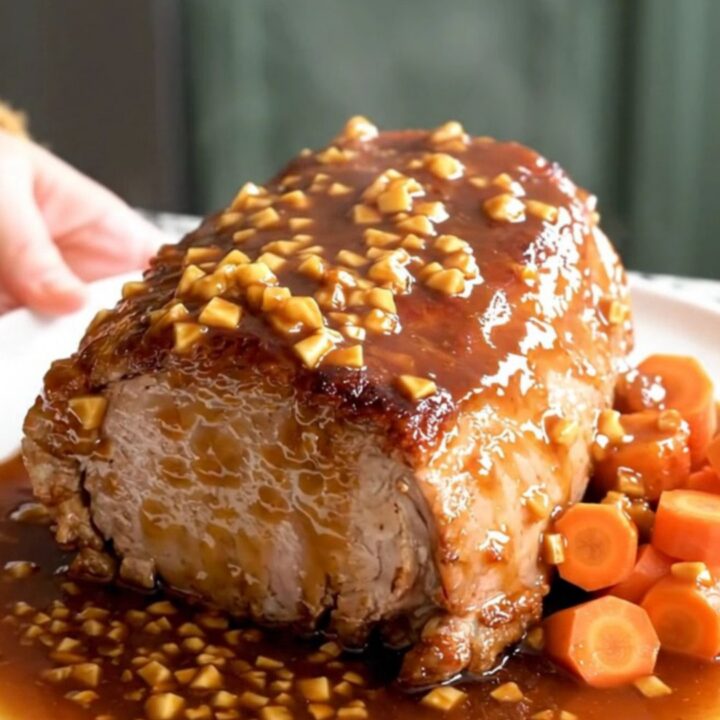
Ingredients
- 3 lb boneless pork loin roast
- 1 lb carrots, peeled and cut into chunks
- 1/2 cup brown sugar
- 3/4 cup garlic soy sauce
Instructions
- Place the whole boneless pork loin roast directly into the center of the slow cooker ceramic insert. Arrange the prepared carrot chunks evenly around the sides of the pork roast to ensure they cook thoroughly in the braising liquid.
- Sprinkle the brown sugar evenly over the top surface of the pork loin using a small ramekin to control the distribution. Pour the garlic soy sauce over the pork and carrots, ensuring the liquid settles around the base of the meat.
- Cover the slow cooker and set to low. Cook for 5 hours. Check that the internal temperature reaches 145°F (63°C). Remove the pork to a cutting board, let it rest for 10 minutes before slicing, and serve with the carrots and sauce.
Estimated nutrition per serving
- Calories
- 320
- Protein
- 35 g
- Carbohydrates
- 18 g
- Fat
- 10 g
- Fiber
- 2 g
- Sugar
- 15 g
- Sodium
- 750 mg
Next recipe
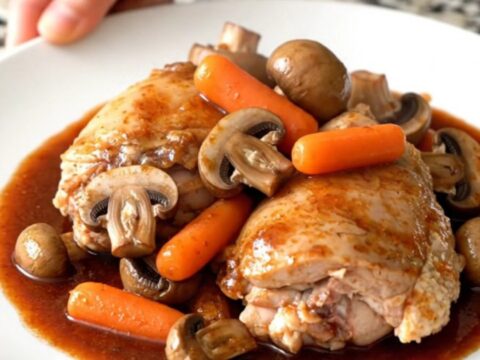
Slow Cooker Coq au Vin: Easy Red Wine Chicken Thighs
See the recipe → →This recipe is based on a short cooking video and is published under the pen name Clara Weller. It was checked before publication, but errors can slip through. Nutrition, when shown, is an estimate. Read more in our editorial policy and on our food safety page.
More recipes to try

Easy Unstuffed Chicken Cabbage Roll Casserole
Total time: 1 h 10 min
Creamy Slow Cooker White Bean Chili
Total time: 4 h 5 min
Easy Crockpot Hot Honey Carrots
Total time: 4 h 5 min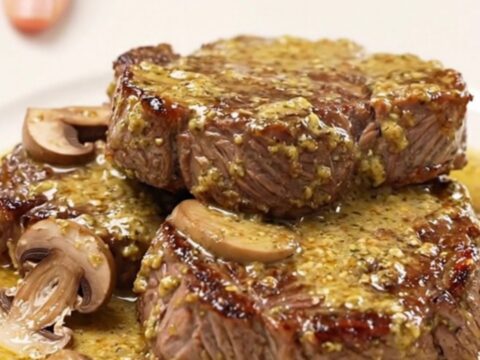
Slow Cooker Creamy Round Steak Diane
Total time: 8 h 15 min
Creamy Crockpot Italian Sausage Alfredo Soup
Total time: 4 h 10 min