Dinner · Part 3 of 3: Tips & recipe card
Slow Cooker Brown Sugar Dijon Pork Roast Tips, FAQ & printable recipe
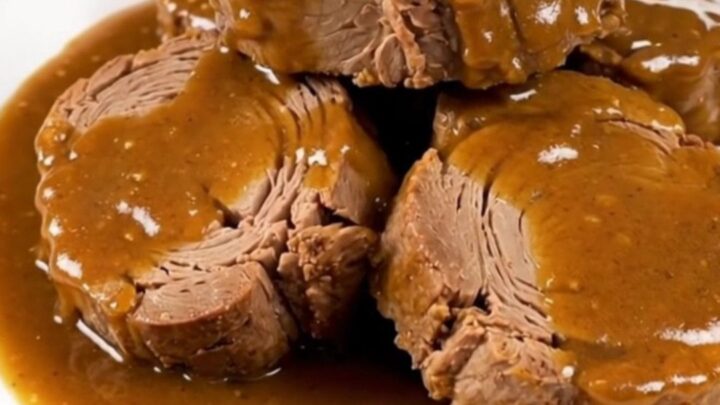
- Prep
- Cook
- Total
- Serves
- 6
Tips for success
For a deeper flavor, you can sear the pork roast in a hot pan with a little oil before placing it into the slow cooker. This caramelizes the exterior of the meat and adds a rich, browned depth to the final sauce, although it is an optional step that requires a bit more active preparation time.
If you find that the sauce is too thin after the cooking process, you can remove the pork and transfer the liquid to a small saucepan.
Simmer it over medium-high heat for a few minutes until it reduces to your desired consistency, then pour it back over the sliced pork medallions before serving.
Variations
- Garlic Herb Pork: Add four cloves of minced garlic and two sprigs of fresh rosemary to the slow cooker before starting. This adds an aromatic, herbal note that complements the sweetness of the brown sugar perfectly.
- Spicy Dijon Roast: Incorporate a teaspoon of red pepper flakes or a tablespoon of hot sauce into the Dijon chicken broth mixture. This provides a subtle kick of heat that balances the richness of the pork.
Storage and make-ahead
- Fridge
- Keep leftovers in an airtight container for up to 3 days in the refrigerator.
- Freezer
- Freeze the cooked pork and sauce in a freezer-safe container for up to 2 months.
- Reheat
- Reheat gently in a saucepan over low heat with a splash of broth until warmed through to 165°F (74°C).
Store any leftovers in an airtight container in the refrigerator for up to 3 days. Ensure the pork is cooled completely within 2 hours of cooking before placing it in the fridge to maintain safety and quality.
The sauce can be stored separately or with the meat to keep it moist during reheating.
This dish is perfect for making ahead as the flavors often improve after sitting overnight.
You can prepare the entire roast and store it in the refrigerator, then reheat it gently on the stovetop or in the oven. It is a convenient option for meal prep, allowing you to have a hearty dinner ready to go.
Serving ideas
Serve the sliced pork medallions with a generous drizzle of the reduced pan sauce. This dish pairs beautifully with classic comfort sides like creamy mashed potatoes, roasted root vegetables, or steamed green beans, which help soak up the flavorful Dijon and brown sugar glaze.
For a lighter presentation, serve the pork alongside a crisp garden salad or sautéed kale.
The acidity of the salad greens provides a refreshing contrast to the rich, savory depth of the slow-cooked pork, creating a well-rounded meal that is both satisfying and visually appealing on the dinner plate.
Frequently asked questions
Can this pork roast be made in a pressure cooker?
Why is the pork tough after 8 hours?
Is it necessary to use chicken broth?
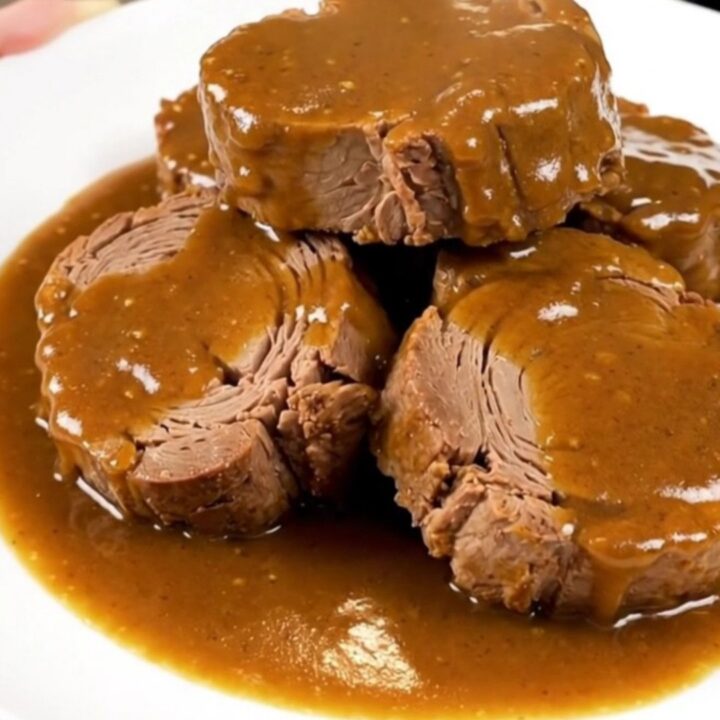
Slow Cooker Brown Sugar Dijon Pork Roast
Ingredients
- 3 lb pork roast
- 2 large onions, sliced
- 1/2 cup brown sugar
- 1 1/2 cups Dijon chicken broth mixture
Instructions
- Place the pork roast into the bottom of the slow cooker insert. Ensure the meat is positioned centrally to allow for even heat distribution during the long cooking process.
- Scatter the sliced onions evenly over the top of the pork roast. Next, sprinkle the brown sugar over the onions and the surface of the meat to create a sweet base for the glaze.
- Pour the Dijon chicken broth mixture over the pork, onions, and sugar. This liquid will help braise the meat and create a rich, glossy sauce as it cooks slowly.
- Cover the slow cooker and cook on low for 8 hours. Once finished, check the internal temperature to ensure it reaches at least 145°F (63°C). Let the meat rest for 10 minutes before slicing into medallions.
Estimated nutrition per serving
- Calories
- 420
- Protein
- 32 g
- Carbohydrates
- 18 g
- Fat
- 24 g
- Fiber
- 0.5 g
- Sugar
- 15 g
- Sodium
- 450 mg
Next recipe
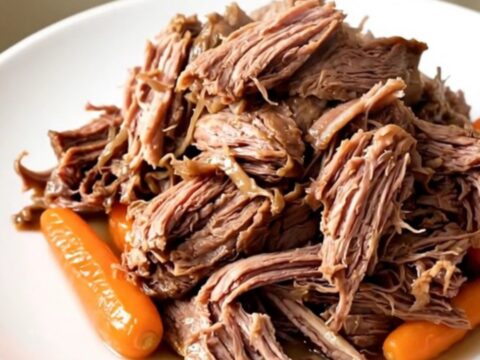
Easy Slow Cooker Apple Cider Pot Roast
See the recipe → →This recipe is based on a short cooking video and is published under the pen name Clara Weller. It was checked before publication, but errors can slip through. Nutrition, when shown, is an estimate. Read more in our editorial policy and on our food safety page.
More recipes to try
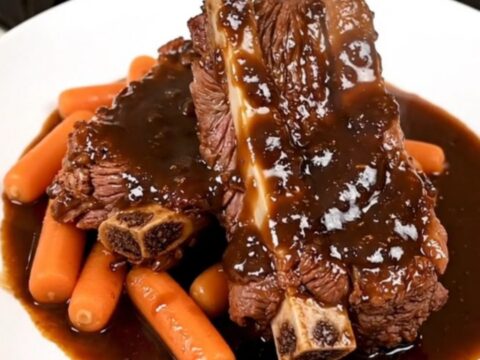
Crockpot Red Wine Braised Short Ribs
Total time: 8 h 15 min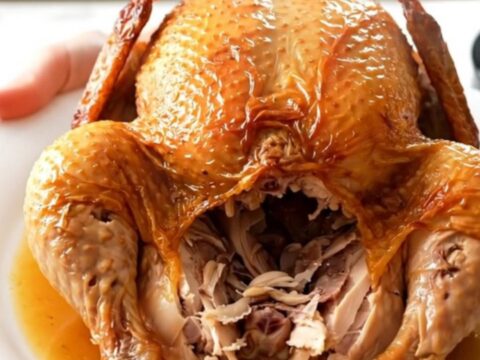
Easy Crockpot Apple Cider Whole Chicken
Total time: 4 h 20 min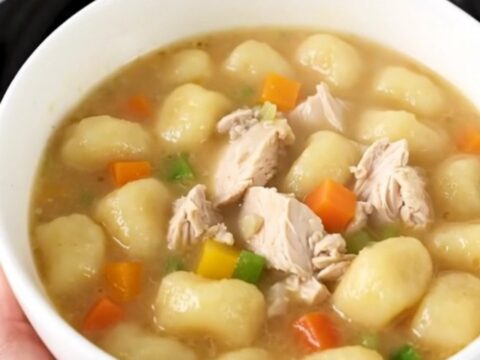
Creamy Chicken Gnocchi Soup for Busy Weeknights
Total time: 4 h 15 min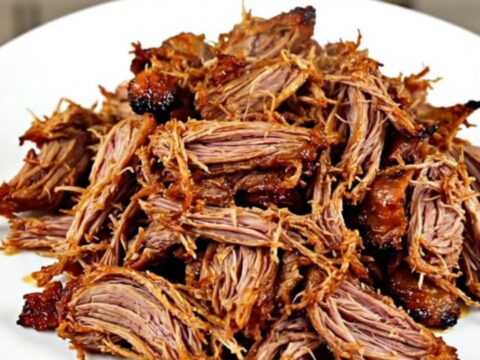
Easy Slow Cooker Mexican Carnitas Pulled Pork
Total time: 8 h 20 min
Simple Crockpot Orange Chicken for Easy Weeknight Dinners
Total time: 4 h 5 min