Dinner · Part 1 of 3: Ingredients
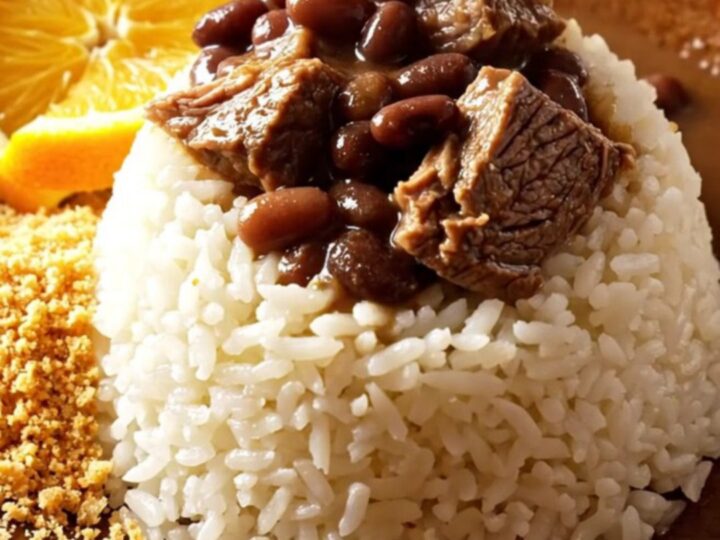
Slow-Cooker Brazilian Feijoada Beef and Black Beans
- Prep
- Cook
- Total
- Serves
- 6
Discover the art of Brazilian comfort food with this slow-cooker Feijoada. This iconic dish combines savory beef, smoky bacon, and creamy black beans into a single, effortless pot. Perfect for busy days when you crave something deeply satisfying and authentic, this recipe takes the guesswork out of achieving that signature velvety texture that defines a great Feijoada. Simply layer, set, and let the slow cooker do the heavy lifting to create a meal that feels like a warm embrace.
Feijoada is widely considered the national dish of Brazil, celebrated for its complex layers of flavor and hearty, comforting nature. Traditionally, it is a labor-intensive stew that simmers for hours to achieve the perfect balance of tender meat and softened beans.
By utilizing the modern slow cooker, you can achieve those same authentic results with a fraction of the hands-on time. The addition of fresh orange peel provides a subtle, bright citrus note that cuts through the richness of the beef and smoky bacon, creating a harmonious and well-rounded flavor profile that will impress any guest at your dinner table.
Ingredients
Main Ingredients
- 2.5 lb beef chuck, cubed
- 150 g diced smoky bacon
- 400 g soaked black beans
Aromatics
- 3 strips fresh orange peel
- 3 bay leaves
- 6 cloves garlic, minced
Liquid
- 700 ml beef stock
Why this recipe works
The slow-cooking method is essential for transforming tough cuts of beef chuck into fork-tender pieces while simultaneously allowing the dried black beans to hydrate and soften completely. By cooking on a low setting over eight hours, the collagen in the beef slowly breaks down into gelatin, which thickens the cooking liquid into a rich, velvety sauce. This gradual process ensures that the flavors of the garlic, bay leaves, and smoky bacon fully permeate the beans, creating a cohesive and deeply flavored stew that improves as it simmers.
Layering the ingredients correctly in the slow cooker ensures optimal heat distribution and flavor integration. Placing the firmer ingredients like beef and beans at the bottom allows them to simmer directly in the liquid, while the lighter aromatics like orange peel and bay leaves rest near the top to infuse the steam.
This structural approach prevents uneven cooking and ensures that every bite contains a perfect balance of smoky, salty, and citrusy notes. The result is a robust, restaurant-quality meal that requires minimal supervision, making it an ideal choice for effortless weekend cooking.
Notes and substitutions
Choosing the right cut of meat is crucial for this recipe. Beef chuck is the gold standard because its high connective tissue content dissolves during the long, slow cook, resulting in a melt-in-your-mouth texture that is impossible to achieve with leaner cuts.
If you cannot find beef chuck, look for beef short ribs as a suitable alternative. Ensure the bacon is smoky rather than maple-cured or honey-glazed to maintain the savory, authentic flavor profile of the traditional Brazilian dish, which relies on the interaction between cured pork and beef.
When it comes to equipment, a standard 6-quart ceramic slow cooker is recommended for this volume of ingredients. The ceramic insert provides steady, even heat that is superior for long braises.
Avoid using a multi-cooker on a pressure setting for this recipe, as the high heat will cause the beans to break down too quickly before the beef has had sufficient time to tenderize. Always ensure your slow cooker lid fits tightly to trap moisture and heat, which is vital for maintaining the internal environment required for the beef to reach its safe, tender temperature.
- beef chuck: boneless beef short ribs can be used for a slightly higher fat content and extra tenderness.
- soaked black beans: canned black beans, drained and rinsed, can replace soaked dry beans; reduce cooking time to 4 hours.
Equipment
- slow cooker
- ladle
- sharp knife
- cutting board
Up next · Part 2 of 3
3 steps · 8 h of cooking · what to look for at each stage
Step-by-step instructions (Part 2)