Dinner · Part 1 of 3: Ingredients
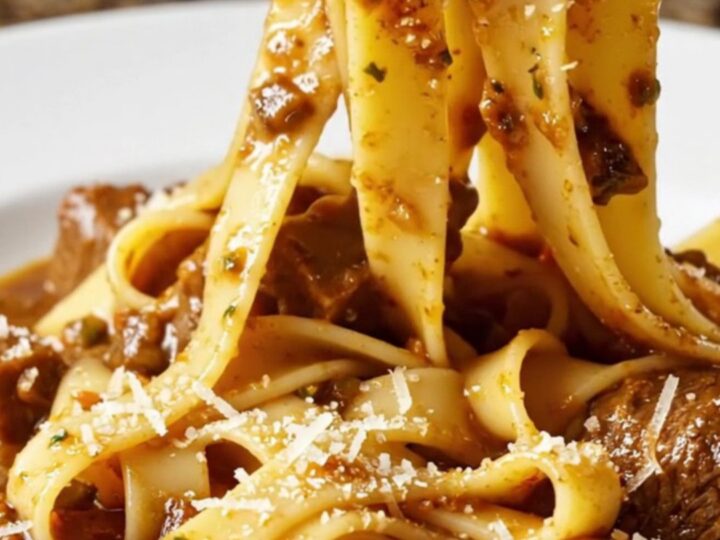
Slow-Cooker Braised Short Rib Pappardelle Ragu
- Prep
- Cook
- Total
- Serves
- 6
Discover the secret to restaurant-quality beef ragu at home using your slow cooker. This recipe transforms humble short ribs into a luxurious, melt-in-your-mouth masterpiece that pairs perfectly with fresh pasta.
It is the ultimate Sunday supper that requires minimal effort while delivering maximum depth of flavor, making it an ideal choice for busy cooks who refuse to compromise on taste or texture during their weekend gatherings.
Braised short rib ragu is a classic dish that balances the intense, savory richness of beef with the bright acidity of tomatoes and red wine. By using a slow cooker, the connective tissues in the short ribs break down slowly over several hours, resulting in a sauce that is velvety, deeply flavorful, and incredibly tender.
This method ensures that the meat becomes so soft it practically melts on the tongue, creating a luxurious dining experience that feels like a special occasion every time it is served.
Ingredients
Main
- 3 lb bone-in beef short ribs
Sauce
- 1 cup Cabernet Sauvignon
- 28 oz crushed San Marzano tomatoes
Vegetables
- 1 cup mirepoix vegetables, finely diced
- 3 cloves garlic, minced
Aromatics
- 2 sprigs fresh rosemary
Pasta
- 16 oz fresh pappardelle
Topping
- for serving: fresh gremolata
- for serving: grated aged pecorino
Why this recipe works
The slow-cooking method is essential for tougher cuts of meat like short ribs. By maintaining a low, consistent temperature over seven hours, the collagen in the meat fibers gradually converts into gelatin. This process is what gives the sauce its signature glossy, velvety body and ensures the beef achieves that perfect, fall-apart consistency that simply cannot be replicated with quick-cooking techniques.
Layering the ingredients allows the flavors to meld and intensify throughout the cooking process. Searing the beef first creates a deep foundation of flavor through the Maillard reaction, while the combination of red wine and San Marzano tomatoes provides a balanced acidity that cuts through the richness of the beef.
The aromatics, including mirepoix and rosemary, infuse the liquid with layers of complexity, resulting in a cohesive and deeply satisfying ragu.
Notes and substitutions
For the best results, use a dry red wine such as Cabernet Sauvignon or a bold Merlot. These varieties have the tannins necessary to stand up to the richness of the beef. If San Marzano tomatoes are unavailable, use the highest quality canned crushed tomatoes you can find, as they form the base of your sauce. Fresh rosemary is highly recommended over dried, as it provides a brighter, more fragrant finish to the dish.
The choice of equipment is straightforward, though a high-quality slow cooker with an even heating element will provide the most consistent results. If your slow cooker has a searing function, you can perform the initial browning directly in the pot to minimize cleanup.
A large, heavy-bottomed skillet is also excellent for searing if your slow cooker does not have that capability, ensuring you get the perfect crust on the meat before it begins its long, slow braise.
- Cabernet Sauvignon: Any dry red wine like Merlot or Pinot Noir
- Fresh pappardelle: Dried pappardelle or wide egg noodles
Equipment
- Slow cooker
- Large skillet
- Tongs
- Large pot for pasta
- Colander
- Carving fork
Up next · Part 2 of 3
3 steps · 7 h of cooking · what to look for at each stage
Step-by-step instructions (Part 2)