Dinner · Part 2 of 3: Instructions
Slow Cooker Braised Pork Cheeks with White Wine and Tarragon Step-by-step instructions
- Prep
- Cook
- Total
- Serves
- 4
Before you start
Before beginning, ensure your slow cooker is clean and positioned on a stable, heat-resistant surface away from any wall outlets or water sources. Verify that you have all ingredients measured and ready. If using fresh tarragon instead of dried, chop it finely and set it aside for later addition.
Ensure the pork cheeks are dry by patting them with paper towels before placing them into the slow cooker, as this helps them interact better with the braising liquid. Having your vegetables sliced to a uniform thickness ensures they cook at the same rate as the meat.
Ingredients at a glance (5)
- 1 1/2 lb pork cheeks, trimmed
- 2 medium carrots, sliced
- 1 medium onion, sliced
- 1 tsp dried tarragon
- 1 cup dry white wine
Instructions
Layering the Pot
- Prepare and Layer the IngredientsPlace the trimmed pork cheeks into the bottom of a slow cooker. Scatter the sliced carrots and onions evenly over the meat to ensure they cook through. Sprinkle the dried tarragon over the top for even distribution, then pour the dry white wine over everything to create the braising liquid.Look for The wine should partially submerge the pork and vegetables.Tip Ensure the pork cheeks are in a single layer if possible to promote even cooking throughout the braising process.
The pork cheeks should be arranged in a single, even layer at the bottom of the slow cooker to ensure they are fully surrounded by the braising liquid and vegetables.
The carrots and onions should be scattered evenly over the top, and the tarragon should be sprinkled across the entire surface to allow the herb oils to infuse the liquid as it heats up.
The Braising Process
- Slow Cook the PorkCover the slow cooker with its lid. Set the device to the low setting and cook for 8 hours. The low, consistent heat will slowly break down the tough connective tissues in the pork cheeks, turning them into tender, succulent bites while the vegetables soften into the aromatic wine sauce.Look for The liquid should be simmering gently throughout the cooking time.Tip Do not lift the lid during the first 6 hours to maintain the necessary internal temperature and pressure.
During the eight-hour cook, the kitchen should begin to smell fragrant with the scent of savory pork and aromatic tarragon. The liquid will bubble gently, and the pork will slowly darken as it absorbs the flavors of the wine. Check that the seal of the slow cooker lid is tight to ensure no moisture is lost, which is vital for the braising environment.
Final Resting and Serving
- Final Temperature Check and ServiceCheck that the pork cheeks have reached an internal temperature of at least 145°F (63°C). Once cooked, carefully remove the cheeks from the slow cooker and let them rest on a plate for at least 3 minutes before serving. This rest period allows the juices to redistribute, ensuring maximum tenderness in every bite.Look for The pork should be fork-tender and yield easily to light pressure.Safe temperature 145°F (63°C) internal temperature (steaks, chops and roasts)Tip Use a digital meat thermometer inserted into the thickest part of the largest cheek to verify the temperature.
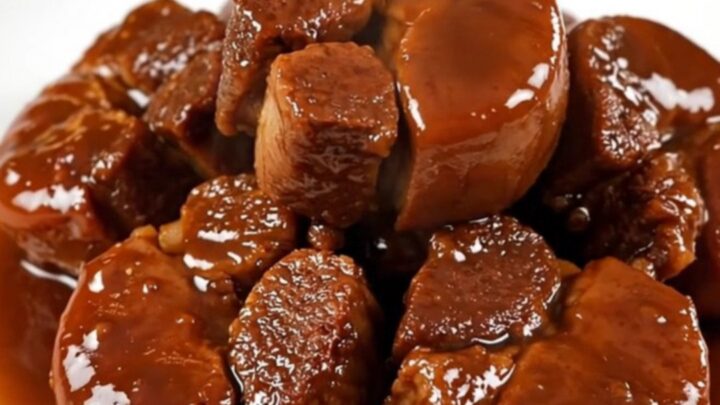
The pork should appear glossy and fork-tender, with the vegetables softened and integrated into the sauce. After resting for five minutes, the meat should be succulent and hold its shape while being easily flaked. The sauce should be rich and flavorful, ready to be ladled over the pork cheeks before serving on a warm plate.
Common mistakes
A common mistake is using too much liquid. The pork and vegetables will release a significant amount of moisture as they cook; adding too much wine or broth can result in a thin, watery sauce rather than a concentrated braise.
Another error is failing to trim the cheeks properly; leaving thick silverskin on the meat results in a rubbery texture that detracts from the otherwise tender dish. Finally, do not rush the process. Cooking on high heat instead of low will cause the muscle fibers to tighten prematurely, leading to a tough, dry end result.
How to tell it’s done
The pork cheeks are done when they are completely fork-tender. When you press a fork into the center of the meat, it should offer zero resistance and pull apart effortlessly into soft pieces.
Using a reliable meat thermometer, ensure the internal temperature has reached at least 145°F (63°C). The sauce should be reduced slightly and have a glossy appearance, coating the back of a spoon. The carrots should be tender but still hold their shape without turning into mush.
- Steaks, chops and roasts: 145°F (63°C) in the thickest part, then a 3-minute rest
Up next · Part 3 of 3
2 variations · storage & make-ahead · 3 answers · printable card
Tips, FAQ & printable recipe (Part 3)← Back to the ingredients (Part 1)