Dinner · Part 2 of 3: Instructions
Slow Cooker Braised Beef Cheeks with Red Wine and Shallots Step-by-step instructions
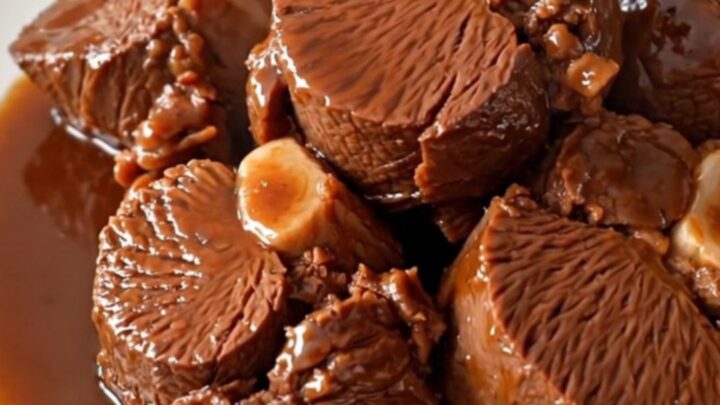
- Prep
- Cook
- Total
- Serves
- 4
Before you start
Before starting, ensure that the beef cheeks are properly trimmed of any excessive outer fat or tough membranes, which can make the finished dish feel greasy. Peel the shallots carefully, leaving them whole so they retain their shape during the long cooking time.
Have your measuring cup ready to pour the wine accurately, and clear a space near the slow cooker to allow for safe, easy assembly of the ingredients without spilling.
Ingredients at a glance (4)
- 2 lb beef cheeks, trimmed
- 8 shallots, peeled and left whole
- 1 tbsp dried parsley
- 1 1/2 cups red wine
Instructions
Assembling the braise
- Prepare and combine ingredientsPlace the raw beef cheeks into the base of the slow cooker. Arrange the whole peeled shallots evenly over the top of the beef. Sprinkle the dried parsley over the shallots and beef to ensure even seasoning throughout the cooking process.Look for The beef and shallots should be arranged in a single layer if possible to ensure even cooking.Tip Ensure the shallots are peeled thoroughly to provide a smooth texture to the final sauce.
At the end of this phase, the beef and shallots should be neatly layered in the slow cooker, ready for the wine. The parsley should be evenly distributed to ensure every bite is seasoned. Ensure the slow cooker is placed on a stable surface before plugging it in, as it will be heavy once the liquid is added.
Slow cooking the beef
- Add wine and braisePour the red wine over the seasoned beef and shallots. Cover the slow cooker with its lid and set it to the low heat setting. Cook the mixture for 8 hours until the meat is fork-tender and the wine has reduced into a rich, flavorful sauce.Look for The liquid should be bubbling gently and the aroma of the wine should be fragrant.Tip Do not lift the lid during the first 6 hours to maintain a consistent internal temperature.
Throughout this phase, the aroma of red wine and savory beef should fill the kitchen. The liquid will slowly simmer, and the shallots will begin to soften. Check that the slow cooker is set to the low setting, as high heat can cause the sauce to boil too rapidly, which may result in tougher meat.
Resting and serving
- Check doneness and restCheck the beef cheeks for tenderness by pressing with a fork. The meat is fully cooked when it reaches an internal temperature of at least 145°F (63°C). Once reached, turn off the slow cooker and allow the meat to rest for 10 minutes before serving to ensure the juices redistribute throughout the fibers.Look for The meat should be extremely tender and practically falling apart at the touch of a fork.Safe temperature 145°F (63°C) internal temperature (steaks, chops and roasts)Tip If the sauce is too thin, you can remove the lid for the final 30 minutes of cooking to let it thicken.
Once the cooking time is complete, the meat should be exceptionally tender. The final check involves ensuring the internal temperature is safe and the meat is ready to be served.
Letting the dish rest is crucial; it allows the intense flavors to settle and ensures the meat retains its moisture before it is plated and presented.
Common mistakes
A common mistake is overcrowding the slow cooker, which can prevent the beef from cooking evenly. Always ensure there is enough room for the liquid to circulate around the meat.
Another error is checking the meat too frequently; every time the lid is removed, heat escapes, significantly increasing the total cooking time and potentially drying out the meat.
How to tell it’s done
The beef cheeks are done when they are incredibly soft and can be easily pulled apart with a fork. Use a meat thermometer to ensure the center of the largest piece has reached at least 145°F (63°C).
The sauce should be dark, glossy, and slightly thickened, coating the back of a spoon with a rich, savory sheen.
- Steaks, chops and roasts: 145°F (63°C) in the thickest part, then a 3-minute rest
Up next · Part 3 of 3
2 variations · storage & make-ahead · 3 answers · printable card
Tips, FAQ & printable recipe (Part 3)← Back to the ingredients (Part 1)